 Whatcom County
Samish Windows Face a Specific Kind of Weather
Samish sits in a part of Whatcom County where the weather doesn't do anything in half measures. Wind-driven rain comes off the water at angles that flat-on-the-wall assumptions don't account for. Salt-laden air corrodes hardware and finishes faster than inland homes ever see. And the tree cover and near-constant damp that define this corner of the county mean moss and algae have a long, uninterrupted season to work on anything that holds moisture. Windows are one of the first places all three of those show up — as fogged glass, swollen sashes, drafts you can feel with a hand, or trim that's gone soft and green at the corners.
None of that is a reason to panic about your current windows. It's a reason to be specific about what "energy-efficient" needs to mean for a house in this location, rather than relying on whatever a big-box catalog calls efficient somewhere else.
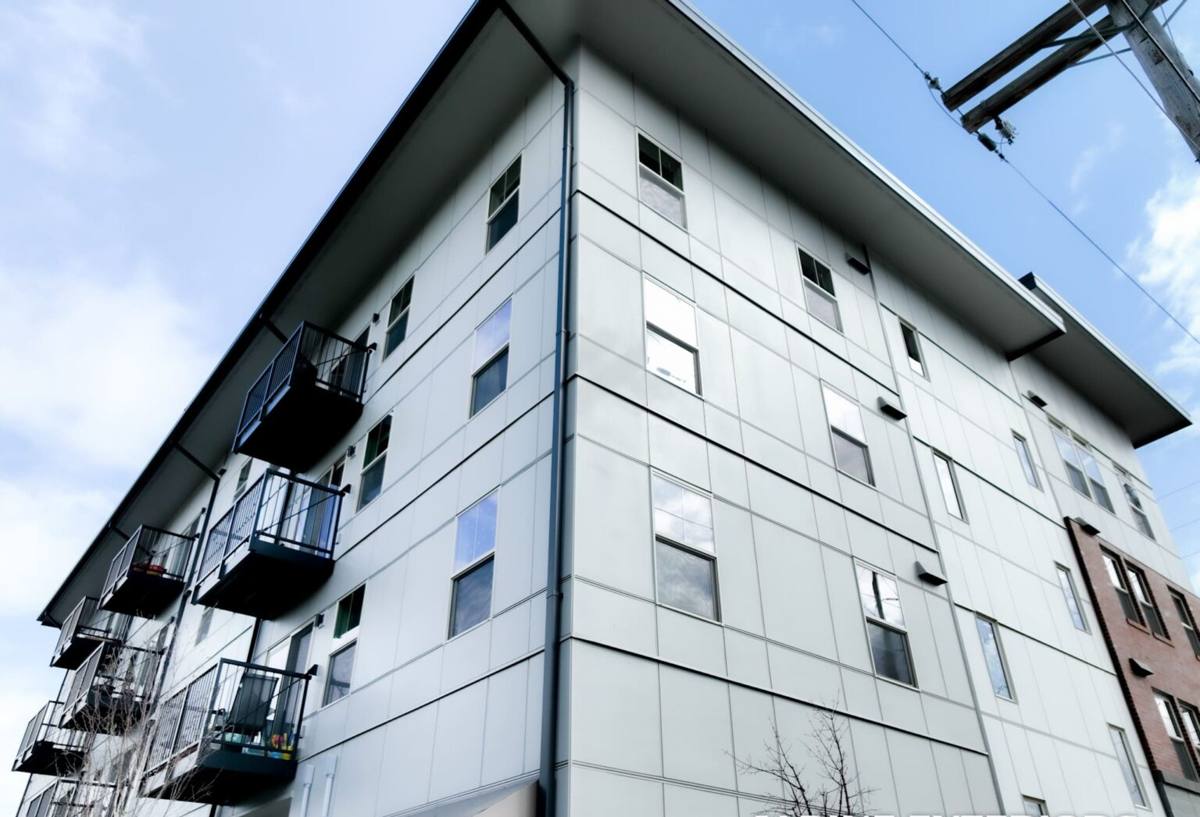
What Energy Efficiency Really Means Here
Anywhere else, "energy-efficient windows" is mostly a heating-bill conversation. In Samish, it's also a moisture-management conversation, and the two are connected more often than homeowners expect. A window that's genuinely efficient for this climate needs to do three things at once:
- Hold a consistent indoor temperature without cold spots near the glass or frame
- Keep wind-driven rain out of the wall assembly, not just out of the room
- Resist the corrosion and finish breakdown that salt air and constant moisture cause over time
A window can score well on paper for insulation value and still fail here if the installation doesn't account for water management, or if the frame material can't handle years of damp, shaded conditions. That's why we treat this as a whole-assembly job, not just a glass swap.
Condensation Is a Clue, Not Just a Nuisance
Persistent condensation between the panes usually means a failed seal and a dead insulating gas fill — the window is no longer doing its job even if it still looks fine. Condensation on the inside face of the glass, especially in cooler months, usually points to poor air sealing or insulation somewhere in the frame or the surrounding wall, which is common in older Whatcom County homes that were built before current energy codes.
Signs Your Current Windows Are Losing the Battle
Most homeowners don't replace windows on a schedule — they replace them when something tips them off. In this climate, the tip-offs tend to show up earlier than in drier parts of the state.
- Fogging or a milky haze between the panes that doesn't clear
- Visible moss, algae, or dark streaking on the sill, trim, or lower frame
- A draft you can feel by hand near the frame edges on a windy day
- Sashes that stick, swell, or won't latch fully in wet weather
- Paint or finish peeling faster on window trim than on the rest of the siding
- Noticeably higher heating costs compared to similar-sized homes nearby
- Soft or spongy wood at the sill or lower corners when pressed
Any one of these on its own might just need attention rather than full replacement. Several together, especially soft wood or persistent moss at the sill, usually mean water has been getting past the window for a while.
What a Correct Installation Involves
The window itself is only part of the job. In a climate that throws driving rain at a wall for days at a time, how the window is set into the opening matters as much as what brand of glass is behind it.
Flashing and Water Management
Every opening needs to be flashed so that any water that does reach the window sheds down and out, not into the wall cavity. This means proper sill pan flashing, correctly lapped weather-resistant barrier, and sealant used where it belongs — not as a substitute for flashing done right. Skipping or rushing this step is the single most common reason a window that "should" be efficient ends up with rot or mold inside the wall a few years later. This is invisible once the trim goes back on, which is exactly why it's worth asking a contractor to walk you through it before work starts.
Air Sealing and Insulation
The gap between the window frame and the rough opening needs to be sealed and insulated properly — not stuffed with excess foam that can bow the frame, and not left with gaps that let air and moisture track in behind the trim. Done correctly, this is what turns a good window into an efficient installation.
Fastening and Structural Fit
Windows need to be shimmed level, plumb, and square, and fastened per the manufacturer's specifications. An out-of-square install stresses the sash, causes uneven wear on weatherstripping, and can void the manufacturer's warranty — which matters when that warranty is one of the few things protecting your investment for the next couple of decades.
Choosing Frame Materials and Glass for This Climate
There's no single "right" window for every home, but some materials and configurations hold up more consistently in salt air, constant damp, and heavy shade than others. The table below reflects how these options generally perform in conditions like Samish sees, not a ranking for every climate in the country.
| Frame Material | Moisture & Salt Air Resistance | Maintenance Needed | Relative Cost |
|---|---|---|---|
| Vinyl | Good — won't rot or corrode, seams are the main watch point | Low — occasional cleaning | Lower |
| Fiberglass | Very good — dimensionally stable in wet, humid conditions | Low | Mid to higher |
| Aluminum-Clad Wood | Good on the exterior face; interior wood needs protection from any leaks | Moderate | Higher |
| Bare Wood | Poor without diligent upkeep — the most vulnerable to this climate's moss and rot cycle | High — regular repainting and sealing | Mid to higher |
For most Samish homes, we steer people toward vinyl or fiberglass frames precisely because they take the maintenance burden off the table. That's not a knock on wood-framed windows as a product — it's an honest read on what holds up with the least babysitting in a climate that doesn't give finishes much of a break. If you love the look of wood on the interior, a wood-interior/aluminum-clad-exterior unit gives you that look while keeping the vulnerable side protected.
Glass and Gas Fill
Double-pane, low-E glass with an argon gas fill is a solid baseline for this region's winters. Triple-pane adds meaningful insulation value but also adds weight and cost, and isn't always necessary unless you're dealing with a particularly exposed elevation or a room that's historically hard to keep warm. We'll tell you honestly when triple-pane is worth it and when it isn't for your specific walls and orientation.
Our Process, Start to Finish
- On-site assessment — we look at each opening, check for existing water damage or soft framing, and note which elevations take the worst weather
- Product recommendation — based on that assessment, not a one-size answer, we recommend frame material and glass package suited to your home and budget
- Careful removal — old windows come out without damaging the surrounding siding or trim more than necessary
- Inspection of the opening — any rot, soft sheathing, or prior water intrusion gets addressed before a new window goes in, not covered over
- Flashing and installation — sill pan, weather-resistant barrier, and the window itself, set level, plumb, and fastened to spec
- Air sealing, insulation, and finish trim — sealed correctly, insulated correctly, and trimmed to match your home
- Final walkthrough — we test operation and answer questions before we consider the job done
Living With Moss Season and Salt Air After Install
A well-installed, appropriately chosen window will need far less attention than what it replaces, but "far less" isn't "none." A couple of habits keep new windows performing well through Whatcom County's long wet season:
- Rinse sills and tracks periodically to keep organic debris from holding moisture against the frame
- Check weatherstripping each fall for compression or gaps before the wet season sets in
- Keep nearby vegetation trimmed back so window areas get some airflow and light, which slows moss growth
- Wipe down hardware and locks occasionally if you're closer to open water, since that's where salt air does its work fastest
None of this is heavy maintenance — it's the same light attention you'd give any exterior feature of the house in this climate.
Why a Crew That Already Works Samish Matters
Window installation done by the book works the same way on paper everywhere. What changes from place to place is judgment — knowing which elevations in a given microclimate take the worst wind-driven rain, which older Whatcom County framing details need extra attention when an opening is exposed, and which products are worth the upcharge here versus which ones are marketing in a climate like this. A crew that's done this work around Samish and the rest of the county has already seen how these homes and this weather interact, rather than learning it on your house. That's the difference between an installation that looks right on day one and one that still performs right in year ten.
Get a Free, No-Pressure Estimate
If your windows are drafty, fogged, or just past their best years, we're happy to take a look and give you a straight assessment — what's actually wrong, what your realistic options are, and what it would cost to fix it right. No pressure, no upsell script. Use the form below to set up a free estimate for your Samish home.