 Whatcom County
 Siding in Ferndale: Built for This Corner of Whatcom County
Ferndale sits close enough to the water that salt air is a real factor in how a house ages, and far enough into Whatcom County's marine weather pattern that driving rain and long, damp winters are just part of owning a home here. Add in the moss and algae growth that thrives in our shaded, wet shoulder seasons, and you've got a climate that is genuinely hard on exterior siding — especially products that weren't engineered with this kind of weather in mind. We're a local crew that works Ferndale and the surrounding Whatcom County area regularly, and we install one siding system: James Hardie fiber cement. This page explains why, and what a siding project looks like for a Ferndale home.
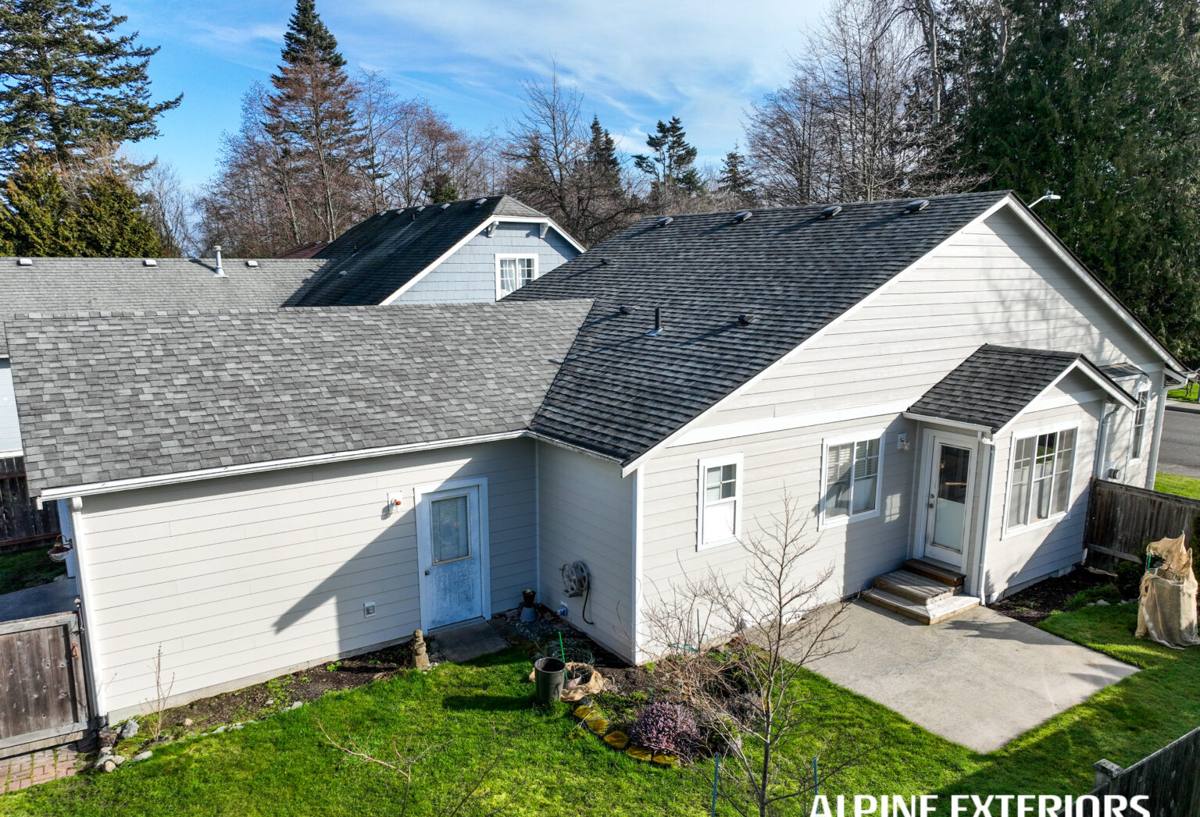
What Ferndale's Climate Actually Does to Siding
Homeowners often assume "rain" is the whole story in Western Washington. It's part of it, but not all of it. Here's what's actually working against your siding year-round in this area:
Salt Air and Coastal Moisture
Ferndale's proximity to Bellingham Bay and the Strait of Georgia means airborne salt and moisture reach homes even a few miles inland, carried on wind off the water. Salt-laden moisture accelerates corrosion of fasteners and trim, and it speeds up the breakdown of paint films and lower-grade siding materials that aren't formulated to resist it.
Driving Rain
Storms coming off the Pacific don't just fall straight down here — wind-driven rain gets forced sideways into wall assemblies, particularly on the west- and south-facing elevations of a house. That means seams, laps, and butt joints in your siding take on real hydraulic pressure during a storm, not just a light sprinkle. Siding that isn't dimensionally stable, or that relies on caulk and paint to stay sealed, is the first to show water intrusion at these joints.
Long Moss and Algae Season
Whatcom County's combination of shade, moisture, and mild temperatures gives moss, algae, and mildew a long growing window — often most of the year on north-facing walls or areas shaded by trees and fences. Porous or wood-based siding surfaces give these organisms something to grab onto and hold moisture against, which is a slow but steady path to rot and finish failure.
Why We Only Install James Hardie Fiber Cement
We get asked regularly why we don't offer vinyl, LP SmartSide, cedar, primed spruce, or other fiber cement brands like Allura or Cemplank. It's not that these products have no merit — some are reasonable options depending on budget and application. It's that we've made a professional decision to standardize on one system that performs consistently in this specific climate, and stand behind it with one warranty and one installation standard.
What We Don't Install, and Why We're Careful About It
- Vinyl siding — light, affordable, and easy to install, but it's a petroleum-based product that can warp under sustained heat reflection and become brittle in cold snaps. It also relies on lap-and-lock seams that can allow wind-driven rain to work behind the panel over time, which is a real concern given Ferndale's storm exposure.
- LP SmartSide (engineered wood) — a wood-strand product with a resin binder and factory coating. It performs well when detailing and maintenance stay on schedule, but as a wood-based product it's more sensitive to sustained moisture exposure and edge-sealing than fiber cement, and touch-up on cut edges is not optional in a climate this wet.
- Cedar and primed spruce — beautiful, traditional, and genuinely appealing to a lot of homeowners. But solid wood siding in a marine climate with a long moss season means an ongoing cycle of refinishing, caulking, and moisture monitoring that most owners underestimate when they choose it.
- Other fiber cement brands (Allura, Cemplank, etc.) — legitimate fiber cement products, but we haven't built our installation training, warranty relationships, or supply chain around them. Standardizing on one manufacturer lets us install to spec every time and back it with a warranty we fully understand.
What James Hardie Gets Right for This Area
James Hardie fiber cement is non-combustible, dimensionally stable, and manufactured in climate-specific formulations — the HZ5 product line is engineered for exactly the freeze-thaw and moisture cycling that Whatcom County sees. The factory-applied ColorPlus finish is baked on under controlled conditions, which holds color and resists fading and moisture intrusion far better than a field-applied paint job on wood or engineered wood siding. It doesn't feed moss and algae growth the way porous wood surfaces do, and it comes with a strong transferable warranty that adds real value if you ever sell the home.
Comparing the Options for a Ferndale Home
| Factor | Vinyl | LP SmartSide | Cedar / Primed Spruce | James Hardie Fiber Cement |
|---|---|---|---|---|
| Moisture resistance in driving rain | Moderate — seam-dependent | Moderate — edge-sealing critical | Low without diligent upkeep | High |
| Salt air durability | Moderate | Moderate | Low to moderate | High |
| Moss/algae resistance | Moderate | Moderate | Low | High |
| Fire resistance | Low | Moderate | Low | Non-combustible |
| Finish durability | Moderate, can fade | Moderate | Low, needs refinishing | High, factory-baked finish |
| Typical upkeep | Low | Moderate | High | Low to moderate |
No siding is completely maintenance-free, but the gap between "low upkeep" and "high upkeep" in a climate like ours adds up fast over a 20- or 30-year ownership window.
How a Ferndale Siding Project Works
Assessment First
Every project starts with a walk-around of the house to look at current siding condition, trim and flashing details, water staining, soft spots, and any areas where past moisture intrusion has already done damage. On older Whatcom County homes, we often find that the sheathing or trim underneath the siding needs attention before new siding goes on — that gets identified and priced honestly before work starts, not discovered as a surprise mid-project.
Correct Installation Details Matter More Than the Product
Even the best siding fails early if it's installed wrong. In a driving-rain climate, the details that actually keep water out include:
- Proper flashing at windows, doors, and roof-to-wall transitions
- Correct fastener placement and spacing per Hardie's installation specs
- Adequate clearance between siding and grade, decks, or roof lines
- Properly lapped and caulked joints, not relying on caulk alone to do the sealing work
- A weather-resistive barrier installed and lapped correctly behind the siding
This is where a local, experienced crew matters as much as the product choice. James Hardie siding installed off-spec can still leak; installed correctly, it's built to handle exactly the conditions Ferndale sees.
Beyond Siding: The Whole Exterior
Siding doesn't work in isolation — it's one part of a building envelope that includes your roof, windows, and any attached decks. We handle all four, which matters in a climate like this because water problems often show up at the transitions between systems: where a roofline meets a wall, where a window is flashed into siding, where a deck ledger attaches to the house. Addressing siding without checking those connection points is how moisture problems get missed. If your roof is past its service life or your windows are original to an older home, it's worth having those evaluated at the same time as a siding project rather than as separate, disconnected repairs down the road.
What to Check Before You Hire Anyone
Whatcom County has plenty of contractors who'll quote a siding job. A few things worth confirming before you sign anything:
- Washington state contractor license and current bond/insurance, verifiable through L&I
- Manufacturer training or certification for the specific siding product being installed
- A written scope that specifies flashing, house wrap, and fastening details — not just "install siding"
- A clear warranty structure covering both materials and labor, and who backs each
- References or completed work you can actually see, not just photos
Why a Local Crew Matters Here
A contractor who works Whatcom County regularly knows which elevations on a Ferndale home take the worst of the wind-driven rain, how far salt air travel typically reaches inland from the bay, and which older homes in the area are more likely to have moisture issues hiding under their current siding. That local knowledge shapes real decisions on a job — where to add extra flashing attention, which product lines make sense, and what to flag during the initial walk-around. It's the difference between a crew installing a product and a crew installing the right system, correctly, for this specific climate.
If you're considering siding replacement in Ferndale, we're happy to come take a look and give you a straightforward, no-pressure estimate — no invented urgency, just an honest read on your home's condition and what it would take to do the job right. Use the form below to get started.