 Whatcom County
Window Installation Built for Ferndale's Marine Climate
Ferndale sits close enough to Bellingham Bay and the Salish Sea that homes here deal with a specific mix of weather most inland siding and window crews never have to think about: salt-laden air off the water, long stretches of driving rain in the fall and winter, and a moss season that seems to start earlier every year. None of that is dramatic on its own, but stacked together over a decade or two, it's exactly the kind of slow, steady exposure that finds every weak point in a window installation — the flashing detail that was skipped, the caulk bead that was the only line of defense, the frame material that wasn't rated for constant moisture.
This page is about one job in one place: replacing or installing windows on homes in Ferndale and the surrounding Whatcom County area. Not a general "why choose new windows" pitch — the specifics of what this climate does to a window assembly, what a correct installation actually requires here, and how we approach the work on local homes.
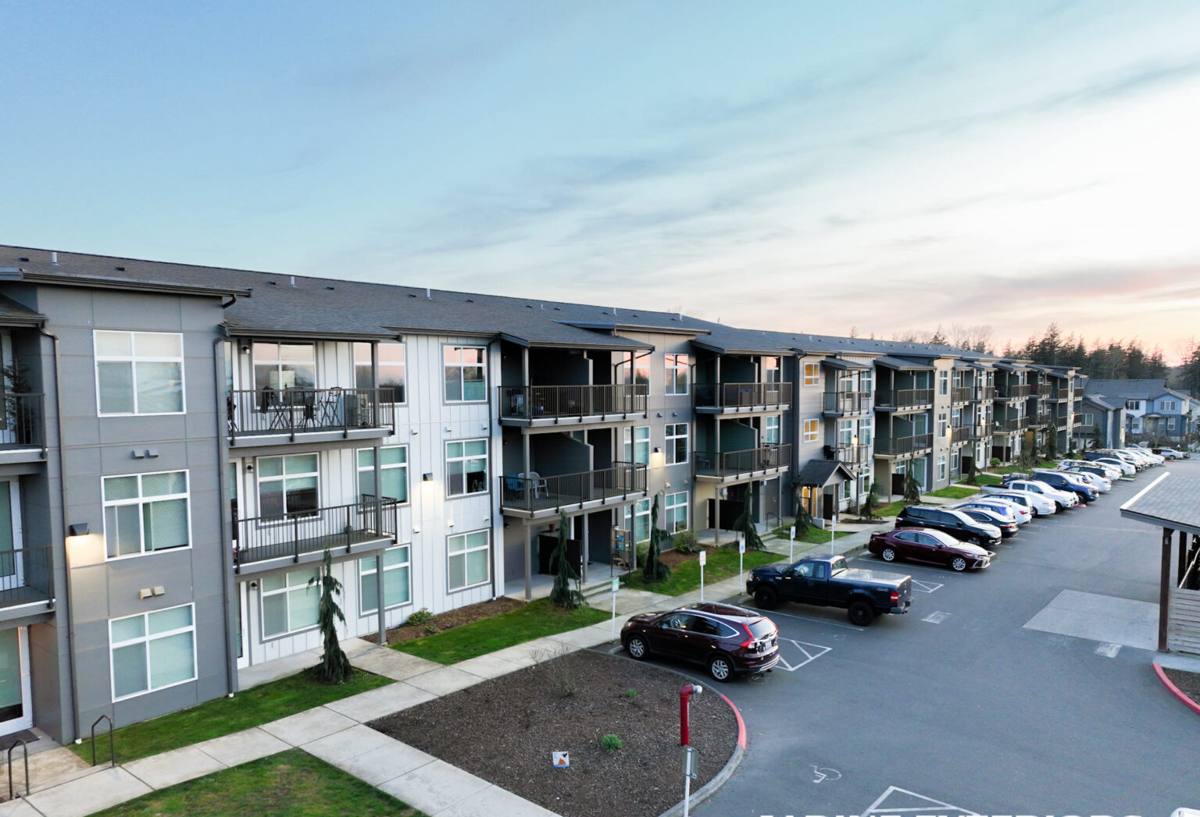
What Salt Air, Rain, and Moss Actually Do to a Window
Salt Air
Homes within a few miles of the water pick up airborne salt that settles on exterior surfaces, including window frames, hardware, and screens. Over time it accelerates corrosion on lower-grade metal components — hinges, balance systems, screen frames, and especially aluminum that isn't marine-grade or properly coated. It also breaks down cheaper finishes faster than the same product would wear inland, so a window that looks fine in a showroom fifty miles from the coast can chalk, pit, or discolor years ahead of schedule in Ferndale.
Driving Rain
Whatcom County doesn't just get rain, it gets wind-driven rain that hits window walls at an angle instead of falling straight down. That matters because a lot of window failures aren't about the window unit itself — they're about water finding a path around the frame, through poorly lapped flashing, or behind trim that wasn't sealed correctly. A window that's watertight in calm rain can still leak under sideways, pressurized rain if the installation detail is wrong.
Moss and Sustained Moisture
Moss doesn't grow on the glass, but the same conditions that grow moss on a north-facing roof or a shaded wall — persistent dampness, limited direct sun, cooler surface temperatures — also keep wood trim, sills, and any exposed fasteners wet longer than they'd stay wet in a drier climate. Wood that stays damp for extended periods is where rot starts, and rot around a window opening is one of the more expensive problems to fix if it's caught late instead of early.
Signs a Ferndale Home Actually Needs Window Work
- Condensation or fogging between the panes of a double-pane window — the seal has failed and the insulating gas has escaped
- Soft or discolored trim and sill material around the window opening
- Drafts you can feel near the frame on a windy day, even with the window fully latched
- Difficulty opening, closing, or locking — often a sign the frame has shifted or swollen
- Visible daylight or gaps between the frame and the siding or trim
- A noticeable jump in heating costs without any other explanation
- Paint or finish that's peeling specifically around the window, even if the rest of the wall looks fine
Any one of these on its own might not mean much. Two or three together, especially on a wall that faces prevailing weather, usually means the current installation has been letting moisture in for a while.
What a Correct Window Installation Involves
The window unit itself gets most of the attention when people shop for new windows, but in a climate like this, the installation detail matters as much as the product — sometimes more. A well-built window installed badly will leak. A mid-range window installed correctly will often outperform it. Here's what we consider non-negotiable on Ferndale homes:
Proper Flashing and Weather Barrier Integration
Flashing has to be layered correctly with the house wrap or weather-resistant barrier so that any water that does get behind the trim drains back out, not into the wall cavity. This is a shingle-style, top-to-bottom lapping system — get the order wrong and you've built a funnel instead of a drain path.
Sill Pan Protection
A sill pan under the window opening gives water a dedicated, sloped path to exit if it ever gets past the exterior seal. This is especially important on window walls that take direct wind-driven rain, which describes a lot of Ferndale's westerly and southwesterly exposures.
Correct Sealant, Not Just More Sealant
Caulk is a backup, not a primary defense — it should never be the only thing keeping water out. We use it as one layer in a system, applied at the right points, not smeared everywhere as a substitute for proper flashing.
Insulation Without Overcompression
Gaps between the window frame and the rough opening need to be insulated for both energy performance and to stop the frame from racking, but overpacked insulation (or the wrong type) can actually bow a frame and cause it to operate poorly. Low-expansion foam or properly fitted batting, applied correctly, avoids that.
Level, Plumb, and Square Before Anything Is Fastened
A window that's out of square will bind, leak at the corners, and wear its hardware out faster. This gets checked and re-checked before a single fastener goes in permanently.
Frame Materials: What Holds Up Near the Water
Material choice matters more here than in a drier, inland climate. Here's how the common options compare for a coastal Whatcom County exposure:
| Material | Moisture & Salt Air Behavior | Maintenance | Typical Fit for Ferndale |
|---|---|---|---|
| Vinyl | Doesn't corrode or rot; performs consistently in humid, salty air | Low — occasional cleaning | Strong all-around choice for most homes |
| Fiberglass | Very stable, resists moisture and temperature swings well | Low | Good option, especially where a painted finish is wanted |
| Wood (unclad) | Attractive but vulnerable to sustained moisture and rot without diligent upkeep | High — regular painting/sealing required | Workable, but demands a real maintenance commitment in this climate |
| Wood-Clad | Exterior cladding shields the wood from direct weather exposure | Moderate | Reasonable middle ground if the wood-look interior matters |
| Aluminum (standard) | Prone to corrosion and pitting from salt air unless marine-rated and well-finished | Moderate to high | We're selective here — the wrong grade ages poorly near the coast |
We're not telling homeowners that any of these materials are bad products. Every one of them has a legitimate place. Our job is to be honest about which ones hold up with the least fuss in a specific home's exposure — and unclad wood or lower-grade aluminum on a wall that takes direct salt spray and driving rain is a maintenance commitment most homeowners underestimate until they're repainting sashes every couple of years.
Our Installation Process
- On-site assessment — we look at the existing window openings, check for hidden moisture or rot around the frames, and evaluate the wall's actual weather exposure, not just its general direction
- Product selection — we walk through frame material, glass package, and hardware options based on that specific wall's conditions, not a one-size answer for the whole house
- Removal — old units come out carefully so we can inspect the rough opening and sheathing underneath before anything new goes in
- Repair as needed — any rot, soft sheathing, or compromised framing gets addressed before the new window goes in, not covered up
- Flashing and sill pan installation — built in the correct order, tied into the existing weather barrier
- Window installation — set level, plumb, and square, fastened per manufacturer spec
- Insulation and air sealing — gaps filled correctly without overcompressing the frame
- Exterior trim and sealant — finished and sealed as a system, not a caulk-only fix
- Final walkthrough — operation, locks, and appearance checked with the homeowner before we call it done
Cost Factors Homeowners Should Understand
Every home and every opening is different, so we won't put a fake number on this page. What we can do is explain the variables that actually move the price, so an estimate makes sense when you see it:
| Factor | Why It Affects Cost |
|---|---|
| Number and size of openings | More or larger windows means more material and labor |
| Frame material chosen | Vinyl, fiberglass, wood, and clad wood all sit at different price points |
| Glass package | Double vs. triple pane, low-E coatings, and gas fills add cost but also performance |
| Condition of the existing opening | Rot or structural repair found during removal adds labor before installation can proceed |
| Retrofit vs. full-frame replacement | Full-frame replacement (removing the old frame entirely) costs more but is sometimes the only correct fix for a damaged opening |
| Access and site conditions | Second-story or hard-to-access windows take more time and equipment |
A Checklist for Vetting Any Window Contractor
- Do they inspect the rough opening for hidden moisture damage before quoting, or just measure the glass size?
- Can they explain their flashing and sill pan approach in plain language?
- Are they licensed and insured to work in Washington State?
- Do they offer straightforward warranty terms on both the product and their labor, separately?
- Will they tell you honestly if a material you're considering is a poor fit for your home's exposure, even if it's a more expensive option?
- Do they have real, ongoing experience working in this specific climate — coastal Whatcom County — not just a general service area they advertise into?
Why a Crew That Already Works Ferndale Matters
A lot of window problems in this area aren't caused by bad windows — they're caused by installation details that would be perfectly fine in a drier, calmer climate but fail under Whatcom County's specific combination of wind-driven rain and sustained coastal humidity. A crew that installs windows in Ferndale regularly has already seen which walls take the worst of the weather, which older homes in the area tend to have hidden rot around original openings, and which materials actually hold up versus which ones just look good in a brochure. That's not something you can fully substitute with a generic install checklist — it comes from doing the work here, on homes like yours, season after season.
Simple Maintenance That Extends the Life of a New Installation
Even a correctly installed window benefits from a little upkeep in this climate:
- Rinse salt residue off frames and hardware periodically, especially on homes with direct water exposure
- Check and clear weep holes so water has a way to drain out of the frame
- Keep gutters and downspouts clear so runoff isn't sheeting down over window openings
- Watch for moss or algae buildup on nearby trim and siding, and address it before it spreads to window surrounds
- Re-caulk exterior joints if you notice cracking or separation, rather than waiting for a leak to show up inside
None of this replaces a correct installation, but it does help any window — regardless of brand or material — last as long as it's designed to in a wet, salty coastal climate.
If you're noticing drafts, fogged glass, or trouble operating your windows, or you're just planning ahead for a home in Ferndale or elsewhere in Whatcom County, we're happy to take a look and put together a free, no-pressure estimate using the form below.