 Whatcom County
Building a Deck That Actually Holds Up in Birchwood
Birchwood sits close enough to Bellingham Bay that salt-tinged air, wind-driven rain, and months of low, damp shade are just part of life here. A deck that looks fine on installation day can start showing trouble within a year or two if it wasn't built with those conditions in mind. We've worked on enough decks around Whatcom County to know the difference between a deck that's built to a plan and one that's built for this specific climate — and in Birchwood, that difference shows up fast.
This page covers what a Birchwood deck actually needs, what a correct build looks like from the footings up, and how we approach the project so you're not the one discovering problems five years from now.
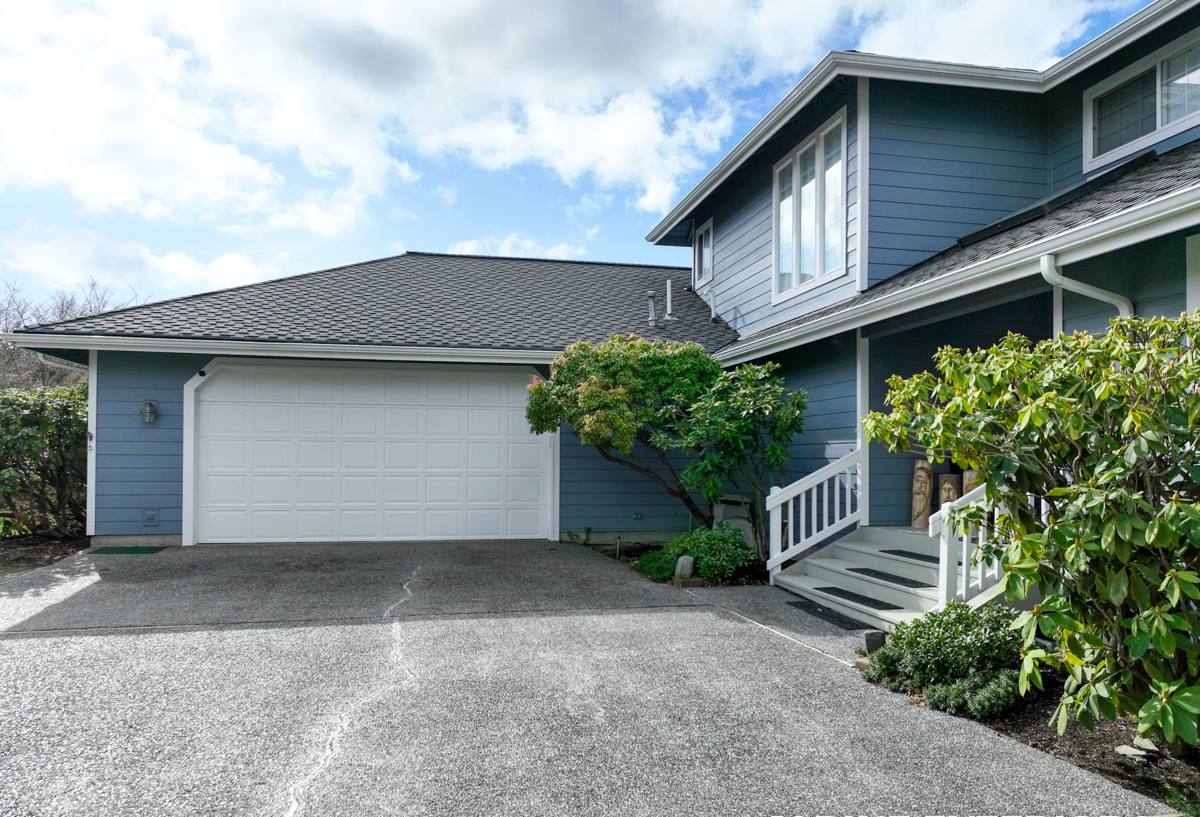
What Whatcom County's Climate Does to a Deck
Three things drive almost every deck failure we see in this area, and none of them are exotic — they're just persistent.
Salt Air
Proximity to the water means a slow, steady exposure to salt-laden moisture. It doesn't take a storm to cause damage — it's the everyday air. Fasteners, connectors, and hardware that aren't rated for coastal exposure corrode from the inside of the wood outward, long before the surface shows rust. Once a fastener starts failing inside a joist, you often can't see it until the board it's holding moves.
Driving Rain
Rain here doesn't fall straight down much of the year — wind pushes it sideways into ledger connections, stair stringers, and any horizontal surface that isn't properly sloped or flashed. A deck built with a flat, level surface and no drainage plan will hold water in the exact spots where wood-to-wood or wood-to-house contact happens, which is where rot starts.
A Long Moss Season
Whatcom County's moss season runs long — shade, moisture, and mild temperatures are exactly what moss wants, and a deck surface is a good place for it to take hold. Beyond looking bad, moss holds moisture against the decking surface and turns walkways and stairs slick, which is a real safety issue on wet mornings.
What a Correct Deck Build Actually Involves
A deck that's going to hold up in Birchwood's climate isn't built differently in a dramatic way — it's built more carefully at the points that matter most.
Footings and Framing
Footings need to be sized and set to local frost depth and soil conditions, not guessed at. Framing lumber should be rated for ground contact or exterior use where it's exposed to splash-back or standing moisture, and joist spacing should account for whatever decking material goes on top — composite and PVC boards often have different span requirements than wood.
Ledger Attachment and Flashing
The ledger board — where the deck attaches to the house — is the single most common failure point on decks in wet climates. It needs proper flashing that directs water away from the house wall, not toward it, plus a gap or membrane that keeps the ledger from sitting in trapped moisture. This is the detail that gets skipped on rushed jobs, and it's the one that causes the most expensive damage later.
Fasteners and Hardware
In a coastal-influenced climate, hardware needs to be rated for that exposure — stainless steel or coated fasteners designed for wet, salt-air conditions, not standard interior-grade hardware. This is a small cost difference up front and a large difference in how long the connections last.
Decking Material and Drainage Surface
Whatever surface material you choose, the boards need consistent spacing and a slight slope away from the house so water sheds instead of pooling. Under-deck drainage or gapping also matters if there's living space or storage below — trapped moisture under a deck is a slower but just as real a problem as moisture on top of it.
Choosing a Decking Material for This Climate
There's no single "best" decking material — each has real trade-offs, and the right choice depends on your budget, how much upkeep you want to do, and how much shade and moss exposure the deck will see.
| Material | Moisture/Rot Resistance | Moss & Mildew Behavior | Maintenance | Typical Lifespan |
|---|---|---|---|---|
| Pressure-treated wood | Good if detailed correctly, weaker at cut ends | Prone to moss/mildew if not cleaned periodically | Regular cleaning, periodic sealing | 15-20 years with upkeep |
| Cedar | Naturally decay-resistant, but softens over time in wet climates | Moss takes hold without regular cleaning | Sealing/staining every few years | 15-20 years |
| Composite decking | Very good — doesn't rot | Can still grow moss/mildew on the surface, especially in shaded spots | Periodic washing, no sealing needed | 25-30+ years |
| PVC/capped composite | Excellent — fully moisture resistant | Least prone to moss retention, easiest to clean | Occasional washing | 25-30+ years |
We're honest with clients about this: composite and PVC decking cost more up front but ask less of you over the life of the deck, which matters in a climate where moisture exposure is constant rather than seasonal. Wood decking is a legitimate choice too, especially where the look matters — it just needs an owner willing to keep up with cleaning and sealing on a schedule, not "when it starts looking bad."
How Our Process Works
We keep the process straightforward, but we don't skip the steps that protect the deck long-term.
- Site assessment — we look at drainage, sun/shade exposure, soil, and how the deck ties into the house before we talk materials.
- Design and material selection — we walk through the trade-offs above with you honestly, based on your budget and how much maintenance you actually want to do.
- Permitting — Whatcom County and local jurisdictions have specific requirements for footings, railings, and attachment depending on deck height and location; we handle this so it's not something you have to chase down.
- Build — footings, framing, ledger flashing, and hardware selection are all done to hold up under Birchwood's specific exposure, not a generic spec.
- Final walkthrough — we go over the finished deck with you, including what maintenance it will actually need and how often.
Maintaining a Deck in Birchwood's Climate
Even a correctly built deck needs some seasonal attention here. A short, honest checklist:
- Sweep debris off the deck surface regularly — trapped leaves and needles hold moisture and feed moss growth.
- Clean the surface (and stairs, especially) at least once or twice a year to keep moss from establishing — a slick, mossy step is a fall risk.
- Check the ledger board area and any spots where the deck meets the house for signs of water staining or soft wood.
- Inspect fasteners and hardware periodically for rust streaking, which can signal corrosion starting underneath.
- Re-seal or re-stain wood decking on the schedule the material calls for — don't wait until it visibly needs it.
- Keep gutters and downspouts near the deck clear so runoff isn't dumping extra water onto or under the structure.
Common Problems We See on Existing Decks
When we're called out to repair or rebuild a deck in the Birchwood area, the same handful of issues show up again and again:
- Ledger boards attached without proper flashing, leading to hidden rot against the house wall.
- Standard interior-grade fasteners used outdoors, corroding and weakening connections years before the decking itself wears out.
- Decking installed dead flat with no slope, so water pools instead of draining.
- Moss buildup left untreated for years, accelerating surface wear and creating a safety hazard on stairs.
- Footings undersized or set at the wrong depth for the soil, causing settling and an uneven deck over time.
None of these are unusual failures — they're the predictable result of skipping details that don't show up as problems until the deck has been in the weather for a while.
Why a Crew That Already Works Birchwood Matters
Deck-building fundamentals don't change from town to town, but the details that make a deck last do change with the climate. A crew that regularly works Birchwood and the surrounding Whatcom County area already knows what the salt air does to hardware over time, how local soil behaves under footings, and how long moss season actually runs here — so those details get handled correctly the first time instead of being an afterthought. It also means we're familiar with local permitting requirements and can plan around the weather patterns that affect scheduling a build.
A deck is a long-term structure attached to your house. Getting the unglamorous parts right — flashing, fasteners, drainage, footings — is what determines whether it's still solid in fifteen years or starting to fail in five.
If you're planning a new deck or need an honest look at one that's showing its age, we're happy to come out, take a look, and give you a straightforward, no-pressure estimate. Use the form below to get started.