 Whatcom County
 Decks Built for Whatcom County's Wet, Salty Climate
A deck in the Columbia area of Whatcom County has to earn its keep against conditions most inland builders never think about. Salt-laden air off the Sound, months of driving rain, and a moss season that can stretch from fall through spring all work on wood, metal, and coatings at the same time. A deck built with generic, one-size-fits-all methods will show it within a few seasons — soft boards, rusted fasteners, slick green film on the walking surface, and a railing that starts to wobble. A deck built for this specific climate holds up for decades instead.
This page is about one thing: building or replacing a deck for a home in Columbia and the surrounding Whatcom County area, done correctly for the conditions here, not for a climate zone somewhere else.
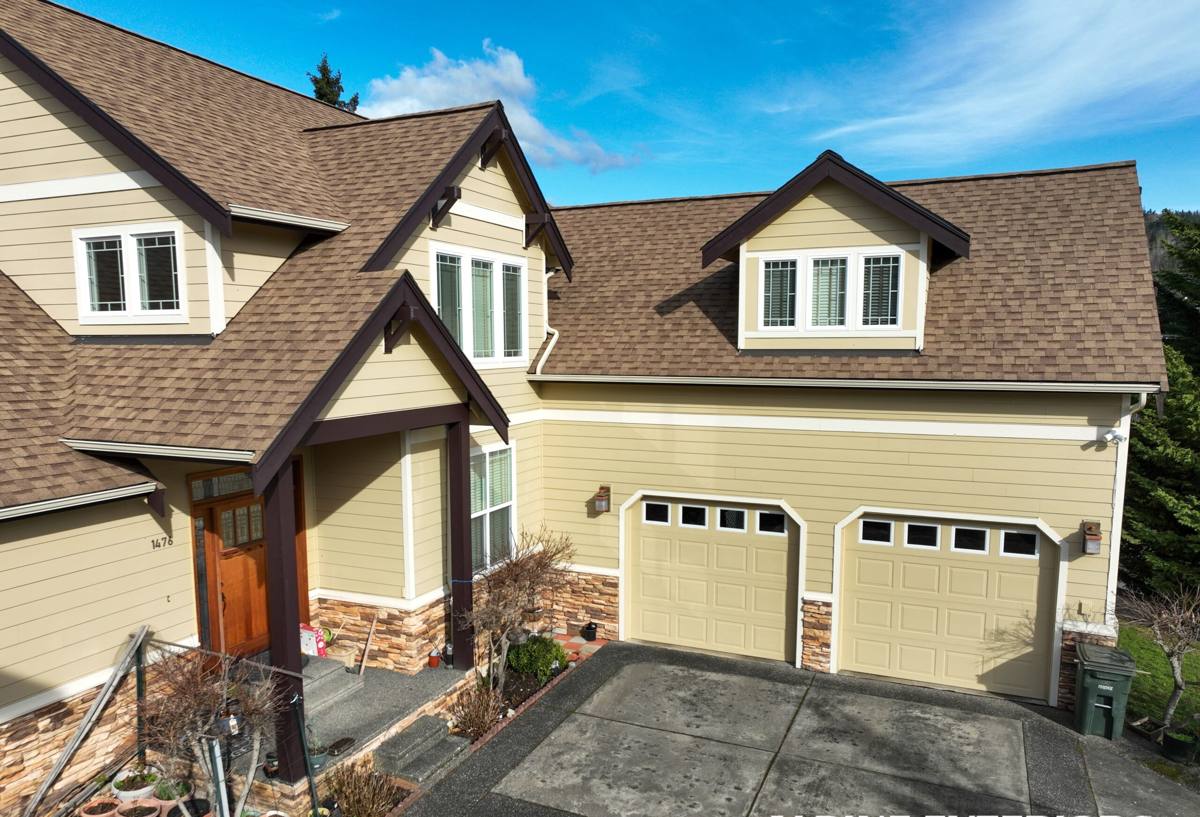
What Columbia-Area Homes Are Up Against
Three climate factors drive almost every decision on a local deck project:
Salt Air
Homes closer to the water deal with airborne salt that accelerates corrosion on any exposed metal — nails, screws, joist hangers, bolts. Standard zinc-coated fasteners can start rusting and staining the decking around them well before the wood itself has any problems. That corrosion isn't cosmetic forever; a rusted structural fastener is a weaker fastener.
Driving Rain
Whatcom County gets a lot of rain, and a good share of it comes in sideways with the wind. That matters for a deck because water doesn't just fall on the surface — it gets driven under railings, into ledger board connections, and into any gap in flashing or fastener seals. A deck built without real attention to water management will rot from the inside, in places you can't see until the damage is significant.
Moss and Algae Season
Shade, moisture, and mild temperatures are exactly what moss and algae need, and a poorly drained or poorly ventilated deck surface gives them a place to take hold. Beyond looking bad, a mossy deck surface is a slip hazard, especially on stairs — and moss holds moisture against the decking material, which shortens its life.
Local Climate Quick Reference
| Condition | Effect on a Deck | What We Build For |
|---|---|---|
| Salt air | Corroded fasteners, staining, weakened hardware | Stainless or high-grade coated fasteners and hangers |
| Driving rain | Hidden rot at ledger, posts, and joints | Proper flashing, ledger seal, sloped surfaces |
| Moss/algae | Slick surfaces, trapped moisture | Board spacing, airflow, drainage, material choice |
| Freeze-thaw cycles | Footing heave, cracked concrete | Footings set to proper local frost depth |
What a Correctly Built Deck Involves
A deck is a structure, not just a surface to stand on. Getting it right means getting every layer right, not just the part you can see.
Footings and Framing
Footings need to be sized and set to the depth appropriate for local soil and frost conditions, so the deck doesn't heave or settle unevenly over time. Framing lumber should be rated for ground contact where it's close to soil, and joist spacing should match the decking material's actual span rating — not just "what's always been done."
Ledger Board Attachment
Where a deck attaches to the house is the single most common source of failure we see on older decks. The ledger board needs proper flashing that sheds water away from the house's wall assembly, not just caulk and a prayer. Done wrong, water tracks behind the flashing and rots the rim joist and sheathing on the house itself — a much more expensive repair than the deck.
Fasteners and Hardware
In a coastal-influenced climate like this one, hardware choice isn't optional upgrade — it's the standard. Stainless steel or heavy-duty coated fasteners and joist hangers cost more up front and save you a rust-streaked, structurally questionable deck later.
Decking Surface and Drainage
Board spacing needs to allow airflow underneath so wood can dry out between rains instead of staying damp. The overall structure should be built with a slight slope away from the house so water runs off instead of pooling. Both of these details directly fight the moss and algae problem described above.
Railings and Guards
Railings carry code-required load ratings for a reason — they need to hold up to real lateral force, not just look sturdy. Posts need solid blocking and correct fastening, not just a few screws into the rim joist.
Choosing a Decking Material for This Climate
There's no single "best" decking material — there's a best fit for your budget, your maintenance appetite, and how the deck will be used. Here's an honest comparison for a wet, salt-air climate:
| Material | Upfront Cost | Maintenance | Notes for This Climate |
|---|---|---|---|
| Pressure-treated lumber | Lowest | Annual cleaning, periodic sealing | Good value; needs consistent upkeep to resist moisture and moss |
| Cedar | Mid-range | Regular sealing/staining | Naturally moisture- and insect-resistant, but still needs care against algae staining |
| Composite decking | Higher | Occasional washing | Very stable in wet conditions; surface texture and drainage still matter for moss resistance |
Whatever material you choose, the framing, flashing, and fastener standards underneath it should be the same. A premium decking surface over poor framing is still a poor deck.
Our Deck Building Process
- Site assessment — we look at drainage, sun/shade exposure, soil conditions, and the existing structure if you're replacing a deck.
- Design and material selection — sizing, layout, railing style, and decking material matched to your budget and how you'll use the space.
- Permitting — we handle the paperwork with the appropriate local building department before work starts.
- Demolition (if replacing) — old material removed and hauled off, framing inspected for any hidden rot at the ledger or posts.
- Footings and framing — footings set to proper depth, framing built to span and load requirements.
- Ledger flashing and waterproofing — the step most often skipped or rushed elsewhere; we don't skip it.
- Decking, railings, and stairs — installed with corrosion-resistant fasteners and correct spacing.
- Final inspection and walkthrough — we confirm everything passes and walk you through basic care for your specific material.
Permits and Codes in Whatcom County
Most decks above a certain height or attached to the house require a building permit, and railing height and spacing requirements are set by code, not preference. Requirements can differ slightly depending on whether your property falls under county jurisdiction or a local city's building department, and setback rules can come into play depending on your lot. A crew that pulls permits regularly in this area knows which department to go to and what they'll ask for, which keeps your project from stalling out waiting on paperwork.
Signs Your Current Deck Needs Attention
If you already have a deck, a few warning signs are worth checking for before they become a safety issue:
- Soft or spongy spots when you walk across the decking
- Rust streaks running down from screws or brackets
- Green or black film that returns quickly after cleaning
- Gaps or movement where the ledger board meets the house
- Railings that flex or wobble under hand pressure
- Visible daylight or water staining underneath the deck near the house wall
Any one of these is worth a professional look. Several together usually mean it's time to talk about replacement rather than repair.
Why a Local Columbia-Area Crew Matters
Deck-building advice that works for a dry inland climate doesn't automatically work here. A crew that regularly builds and repairs decks in Whatcom County already knows which fastener grades actually hold up to the salt air near the water, how deep footings need to go for local soil and frost conditions, and which local building department to coordinate with for permits. That local experience shows up in fewer callbacks, fewer surprises during inspection, and a deck that's built for the conditions it will actually face — not a generic spec sheet.
It also matters after the project is done. A local crew is easy to reach if a warranty question comes up or you want a maintenance check before winter, instead of chasing down a company that was only in town for one job.
Caring for Your New Deck
Whatever material you choose, a little seasonal attention goes a long way in this climate:
- Sweep debris off the surface regularly so moisture doesn't get trapped under leaves and needles
- Rinse or wash the surface periodically to keep moss and algae from establishing
- Check fasteners and railing connections once a year for movement or corrosion
- Reseal or restain wood decking on the schedule appropriate to that product
- Keep gutters and downspouts near the deck clear so runoff isn't dumping extra water onto or under it
If you're planning a new deck or need to replace one that's showing its age, we're happy to take a look and give you a straightforward, no-pressure estimate — just fill out the form below.