 Whatcom County
 Why Cordata Homes Need Windows Built for This Climate
Cordata sits in the marine climate zone that defines Whatcom County — a mix of wind-driven rain off the Sound and Strait, cool damp winters, and a moss season that can stretch nine months out of the year. Windows here don't fail the way they do in drier climates. They fail from moisture working its way in slowly: a sill that never quite dries out, a weep hole clogged with moss and debris, a seal that was fine for the first decade and then starts fogging between the panes. Salt-laden air moving inland off the water speeds up corrosion on hardware and fasteners that aren't rated for it, even for homes that aren't right on the shoreline.
None of this means custom windows need to be complicated. It means the material choices, the installation details, and the ongoing maintenance all have to account for a climate that stays wet longer than it stays dry. A window package that's overkill in Arizona might be exactly right here, and a bargain window that's fine in a drier part of the state can underperform fast in Whatcom County.
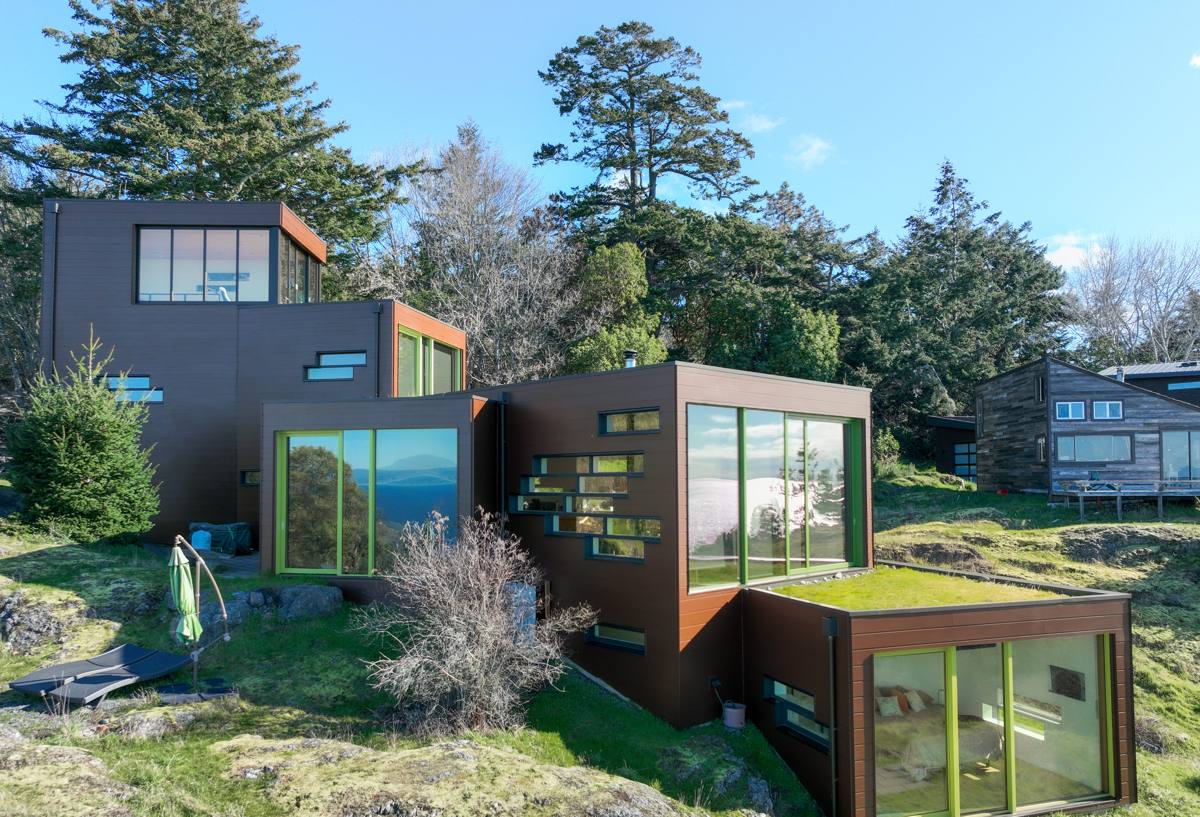
What a Correct Custom Window Installation Actually Involves
Swapping glass into an existing frame, or dropping a new window into an old opening without addressing what's around it, is where most long-term problems start. A correct installation treats the window as part of the whole wall assembly, not a standalone product. That means:
- Sill pan flashing that directs any water that gets past the window back outside, instead of into the wall cavity
- Proper integration with the house wrap or building paper so water sheds down and over, never behind
- Shimming the unit square and plumb before fastening, so the sash operates correctly and seals evenly for the life of the window
- Insulating the gap between the frame and rough opening without over-packing it, which can bow the frame and cause operation problems
- Sealing the interior and exterior with the right sealant for each location — exterior joints need a different product than interior air-sealing beads
- Confirming weep holes are clear and unobstructed once the unit is set
Skip any one of these steps and the window itself can be a perfectly good product while the installation still lets water in behind the siding or into the wall framing — a problem that often isn't visible until there's already rot or mold.
Frame Material Choices for This Climate
There isn't one "correct" frame material for every home, but there are real trade-offs worth understanding before you choose.
| Frame Material | How It Handles Moisture & Salt Air | Maintenance | Good Fit For |
|---|---|---|---|
| Vinyl | Won't rot or corrode; performs well in damp coastal climates | Low — occasional cleaning | Most homes prioritizing value and low upkeep |
| Fiberglass | Very stable in moisture and temperature swings; strong resistance to warping | Low | Larger openings, energy-focused remodels, longer-term ownership |
| Wood-clad | Interior wood look with an exterior cladding to shield from weather; cladding seams need attention | Moderate — watch cladding joints and interior wood over time | Homes where interior wood aesthetics matter more than lowest maintenance |
We're upfront that we steer most Whatcom County homeowners toward vinyl or fiberglass for anything facing prevailing weather, simply because the maintenance burden of solid wood exteriors in a climate this wet doesn't pay off for most budgets. Wood-clad still has a place — we just want the trade-off understood going in, not discovered five winters later.
Glass Packages and Energy Performance
Washington's energy code sets minimum performance standards, but "meets code" and "performs well in Whatcom County" aren't always the same thing. For this climate, we generally look at:
- Low-E coatings to reduce heat loss through the glass during our long heating season
- Argon or krypton gas fill between panes for added insulating value
- A solid condensation resistance rating — interior condensation is a common complaint in older, single-pane or early dual-pane homes, and it's worth addressing directly rather than just living with towels on the sill each winter
Triple-pane glass exists and does perform better in raw numbers, but for most Cordata homes the added cost doesn't pencil out against a well-specified dual-pane, Low-E, argon-filled unit. We'll walk through the actual numbers for your specific windows rather than upsell a package that doesn't fit your house.
Common Window Problems We See Around Cordata
Every neighborhood has its own patterns, and Cordata's mix of older single-story homes and newer construction shows a few recurring issues:
- Moss and organic debris building up on sills and in tracks, eventually blocking weep holes and causing water to pool instead of drain
- Seal failure in older dual-pane units, showing up as fogging or a milky haze between the panes that no amount of cleaning fixes
- Soft or rotting sills on original wood windows that were never fully protected from the weather side
- Interior condensation and occasional mold at the corners of frames, usually a sign of poor airflow, an aging seal, or both
- Drafts and small daylight gaps around older frames as caulking and weatherstripping age out
None of these are emergencies on their own, but left alone through another wet season, they compound — a clogged weep hole becomes standing water, standing water becomes soft framing, soft framing becomes a bigger repair than the window itself.
Our Process for a Cordata Custom Window Project
- Walkthrough and measurement — we look at every opening being replaced, not just the ones you called about, and flag anything unrelated to windows that's affecting them (siding gaps, missing flashing, trim rot)
- Product selection — we go over frame material, glass package, and style options based on your home, your budget, and realistic lead times
- Prep — interior furnishings and exterior landscaping near the work area are protected before anything is removed
- Removal and inspection — once the old unit is out, we check the rough opening for hidden rot or moisture damage before anything new goes in
- Installation — flashing, insulation, shimming, and sealant, done in that order and done right, not rushed to hit a daily quota
- Finish work — interior and exterior trim is reinstalled or replaced to match, and all sealant lines are cleaned up
- Final walkthrough — we test operation on every window, check for square and smooth function, and go over care and warranty details with you before we leave
Cost Factors Homeowners Should Understand
Every quote is different because every house is different, but the variables that actually move the price are consistent:
| Factor | Why It Affects Price |
|---|---|
| Frame material | Vinyl is generally the most economical; fiberglass and wood-clad cost more up front |
| Number of openings | Per-unit cost typically drops somewhat as the total project size grows |
| Size and style | Large picture windows or operable units with multiple sashes cost more than a standard single or double-hung |
| Glass package | Upgraded Low-E coatings, gas fills, or triple-pane glass add cost for added performance |
| Access and height | Second-story or hard-to-reach openings take more labor time and sometimes equipment |
| Hidden repairs | Rot or moisture damage found once the old unit is out adds time and material not visible in the original quote |
As a rough, honest range across most residential jobs, expect the cost per window to move from a modest few hundred dollars for a straightforward vinyl replacement into four figures for larger openings, premium materials, or units that need structural framing repair alongside the window. A written, itemized quote after an in-person look is the only way to get numbers you can actually plan around.
Repair or Replace? A Practical Checklist
Not every window problem means a full replacement. Use this as a starting point before deciding:
- Fogging or a permanent haze between panes — usually a sign the seal has failed and the unit needs replacing, not just cleaning
- Window won't stay open, won't latch, or is difficult to operate — sometimes a hardware repair, sometimes a sign the frame has shifted
- Soft wood at the sill or frame corners when pressed — repair may be possible if caught early, replacement if the rot has spread
- Persistent moss or standing water on the sill despite cleaning — check that weep holes are clear; if drainage is still failing, the flashing detail may need correcting
- Noticeable draft you can feel with a hand near the frame — often weatherstripping or caulking, worth checking before assuming the whole unit is bad
- Rising energy bills with no other explanation — aging glass and failing seals lose insulating value gradually, not all at once
Why a Crew That Already Works in Cordata and Whatcom County Matters
Window work here isn't generic carpentry — it's carpentry done with this specific climate in mind. A crew that regularly works Whatcom County jobs already knows how local siding types integrate with window flashing, understands which permitting process applies depending on whether a property falls inside Bellingham city limits or unincorporated Whatcom County, and has seen firsthand how different products actually hold up here after a few wet winters, not just what a manufacturer's brochure claims.
Being local also matters after the install is done. If a seal ever needs a warranty look, or moss buildup is causing drainage trouble a year or two down the road, a nearby crew can get back out to your home without the delay of scheduling an out-of-town contractor. That follow-through is part of what a correct installation is supposed to include — it doesn't end when the last window is set.
Maintaining Custom Windows Through a Long Moss Season
Good installation and good products still need basic upkeep in this climate. A few habits go a long way:
- Clear moss, leaves, and debris from sills and tracks a couple of times a year, especially heading into the wettest months
- Check that weep holes along the bottom of the frame stay open and unobstructed
- Inspect exterior caulking annually for cracking or separation and re-seal small gaps before they grow
- Run bathroom and kitchen exhaust fans during and after showers or cooking to cut down on the interior humidity that drives condensation
- Wipe down interior sills periodically in winter if condensation does form, so moisture doesn't sit against wood trim
None of this takes much time, but it's the difference between windows that look and perform well for decades and ones that develop avoidable problems well before their time.
If you're weighing a window project for your Cordata home, we're happy to take a look and give you a straight, no-pressure estimate — just fill out the form below and we'll get in touch.