 Whatcom County
 Deck Building in Cordata, Built for the Weather We Actually Get
Cordata sits close enough to the water and far enough into the Pacific Northwest weather pattern that a deck here takes a beating most homeowners underestimate. It's not one big storm that ruins a deck in this part of Whatcom County — it's months of low-grade dampness, salt-tinged air rolling in off the Sound, driving rain that gets under flashing that wasn't detailed right, and a moss season that seems to stretch longer every year. A deck built the way it would be built in a drier climate simply won't hold up here. We build decks specifically for this environment, and that shows up in the materials we recommend, how we frame the structure, and how we detail every connection point.
This page covers what a deck built for Cordata actually needs — not a generic "how to build a deck" rundown, but the specifics that matter when the deck has to survive a Whatcom County winter every year for the next twenty-plus years.
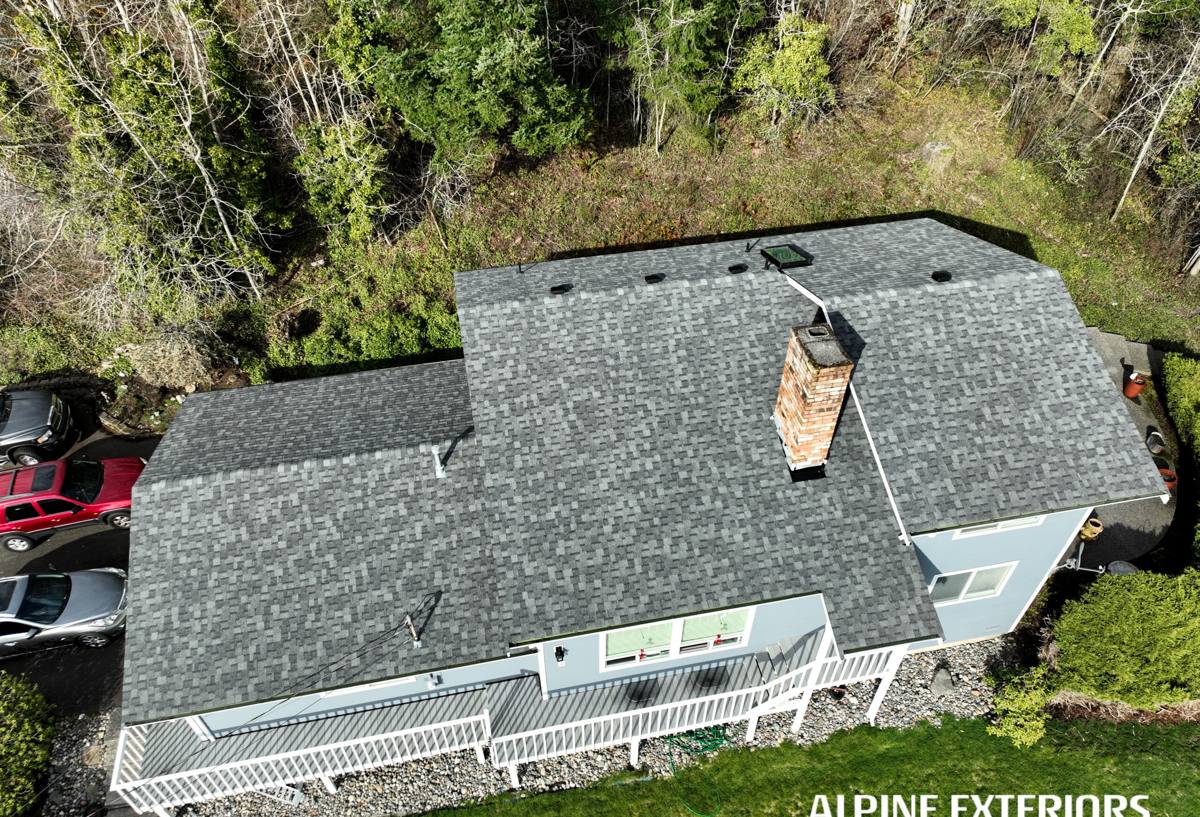
What Whatcom County Weather Does to a Deck Over Time
Understanding the failure points helps explain why we build the way we do.
Moss and Algae
Cordata's tree cover and the region's long stretch of overcast, damp days create ideal conditions for moss and algae to take hold on horizontal surfaces. On a deck, that's not just cosmetic — moss holds moisture against the board surface, which accelerates wood rot and makes the surface dangerously slick underfoot, especially on stairs.
Driving Rain and Wind-Driven Moisture
Rain here doesn't always fall straight down. Wind off the water pushes it sideways, which means it gets driven up under railings, into ledger board connections, and behind fascia trim that wasn't flashed with that in mind. Over time, that's where you see rot start — not on the open deck surface, but in the hidden connection points.
Salt Air and Metal Fasteners
Proximity to Puget Sound means a low but steady level of salt content in the air, particularly on breezy days. Standard fasteners and hardware corrode faster in this environment than they would further inland. Corroding fasteners in structural connections are a slow-motion safety issue, not just a maintenance annoyance.
Freeze-Thaw Cycling
Whatcom County doesn't get brutal winters, but it does get repeated freeze-thaw cycles — wet ground freezing, thawing, freezing again. That movement stresses footings and can heave posts that weren't set deep enough or on inadequate footings.
Choosing the Right Decking Material for This Climate
There's no single "best" decking material — there's a best material for your budget, your maintenance appetite, and how much of the moisture exposure above you're willing to manage. Here's how the common options actually perform in Cordata's climate specifically.
| Material | How It Handles This Climate | Maintenance | Typical Lifespan Here |
|---|---|---|---|
| Pressure-Treated Fir/Hem-Fir | Affordable, but end grain and cut edges need re-sealing or the moisture gets in fast | Annual cleaning + resealing every 1-2 years | 10-15 years with upkeep |
| Cedar | Naturally rot- and insect-resistant, ages well, but greys and needs finish maintenance to hold color | Cleaning + finish every 1-2 years | 15-20 years with upkeep |
| Composite Decking | Doesn't absorb moisture the way wood does, resists rot, but still needs periodic cleaning to keep moss and algae from forming a film on the surface | Occasional cleaning, no sealing/staining | 25-30+ years |
| PVC/Capped Composite | Best moisture resistance of the group, holds up well to the salt-air and rain combination | Occasional cleaning | 25-30+ years |
We're honest with homeowners about this trade-off: wood decking costs less up front but asks more of you every year in this climate, or it starts to show rot and moss well before its time. Composite and PVC decking (brands like Trex or TimberTech fall in this category) cost more initially but largely remove the annual maintenance burden that Whatcom County weather otherwise demands. Neither choice is wrong — it depends on whether you'd rather pay less now and maintain more, or pay more up front and mostly leave it alone.
Structural Basics That Matter More Here Than People Realize
The decking surface gets all the attention, but the structure underneath is where a deck actually succeeds or fails in this climate.
Ledger Board Flashing
Where the deck attaches to the house is the single most common failure point we see on older decks in this area. If that ledger connection isn't properly flashed to shed water away from the house's wall assembly, water works its way in behind the siding over years — and by the time it's visible, there's often rot in the rim joist or sheathing behind it.
Footings Set Below Frost Depth and On Solid Bearing
Footings that are too shallow or poured on disturbed soil are prone to movement through Whatcom County's freeze-thaw cycles. We set footings to the depth and bearing the local code requires for this soil and climate, not just what's fastest to pour.
Joist Spacing and Span Rated for the Decking Material
Composite decking generally requires tighter joist spacing than solid wood to avoid a bouncy feel and long-term sagging between boards. Using wood-rated spacing under composite decking is a common shortcut that shows up as a problem years later.
Drainage Underneath the Deck
Decks built low to the ground or over patios need a real plan for where water goes once it passes through the gaps between boards. Standing water under a deck is a moss and rot generator waiting to happen.
Our Deck Building Process
- On-site assessment. We look at your specific lot — grade, drainage, sun/shade exposure, and how exposed the site is to wind-driven rain — before recommending a material or layout.
- Design and material selection. We walk through the material trade-offs above in plain terms and help you land on what fits your budget and how much upkeep you actually want to do.
- Permitting. Deck projects above certain heights or attached to the house typically require a permit in Whatcom County. We handle that process so it's not on you to figure out.
- Footings and framing. Footings poured to proper depth, ledger flashed correctly, joists spaced for the decking material you chose.
- Decking, railings, and finish work. Installed with fastener and hardware choices matched to the salt-air exposure at your specific site.
- Final walkthrough. We go over basic care for whatever material you chose so you know what to expect in year one versus year ten.
Railings, Fasteners, and Hardware Built for Salt Air and Moisture
Hardware choice matters as much as the decking material itself, and it's the part homeowners are least likely to ask about. In a climate with regular salt exposure and near-constant moisture, we use stainless steel or hot-dip galvanized fasteners and structural hardware rather than standard coated fasteners, which corrode faster here and can eventually stain the decking around them or weaken the connection they're holding. Railing posts get the same attention — the post-to-frame connection is a structural point, not just an aesthetic one, and it needs hardware that will still be sound in fifteen years, not just at installation.
Realistic Maintenance for a Cordata Deck
No decking material here is truly zero-maintenance — the climate doesn't allow for that. But the amount of work varies a lot by material and by how the deck was built in the first place.
- Sweep debris and fallen leaves off the deck regularly — trapped organic matter is what feeds moss and algae growth.
- Clean the surface at least once a year with a deck cleaner appropriate to your material (wood vs. composite cleaners are different products).
- Check and reseal or restain wood decking every 1-2 years, sooner if you're seeing water no longer beading on the surface.
- Inspect railings and stair connections annually for looseness — freeze-thaw movement can work fasteners loose over time.
- Keep gutters and downspouts near the deck clear so runoff isn't dumping directly onto or under the structure.
- Address any moss on stair treads promptly — it's a slip hazard, not just an appearance issue.
Why Hiring a Crew That Already Works in Cordata Matters
A contractor who builds decks in a dry climate and one who builds them for Whatcom County's specific combination of rain, salt air, and moss are making different decisions at almost every step — fastener grade, flashing detail, footing depth, even which decking material they'd honestly recommend for your site. A crew that already works this area knows what actually fails here after five or ten years, because we've seen it on other decks in the same conditions. That's the difference between a deck that looks fine on installation day and one that's still solid well into its second decade.
Get a Free, No-Pressure Estimate
If you're planning a new deck or replacing one that's showing its age in Cordata, we're glad to come take a look, talk through material options honestly, and give you a straightforward estimate — no pressure, no upsell. Use the form below to get started.