 Whatcom County
 Metal Roofing Built for What Samish Weather Actually Does
Samish sits close enough to the water that homes here deal with a different set of roofing problems than houses further inland. Salt-laden air moves through on a regular basis, driving rain comes in sideways more often than straight down, and the wet, shaded months stretch long enough that moss gets a serious head start before anyone notices it. A roof that's a good fit for a dry inland climate isn't automatically a good fit here. Metal roofing, installed correctly, holds up to all three of those pressures better than most other roofing materials — but "installed correctly" is doing a lot of work in that sentence, and it's where most of the difference between a roof that lasts and one that doesn't actually comes from.
This page covers what metal roofing does for homes in the Samish area specifically, what a proper installation involves, and how we approach the job from first estimate to final walkthrough.
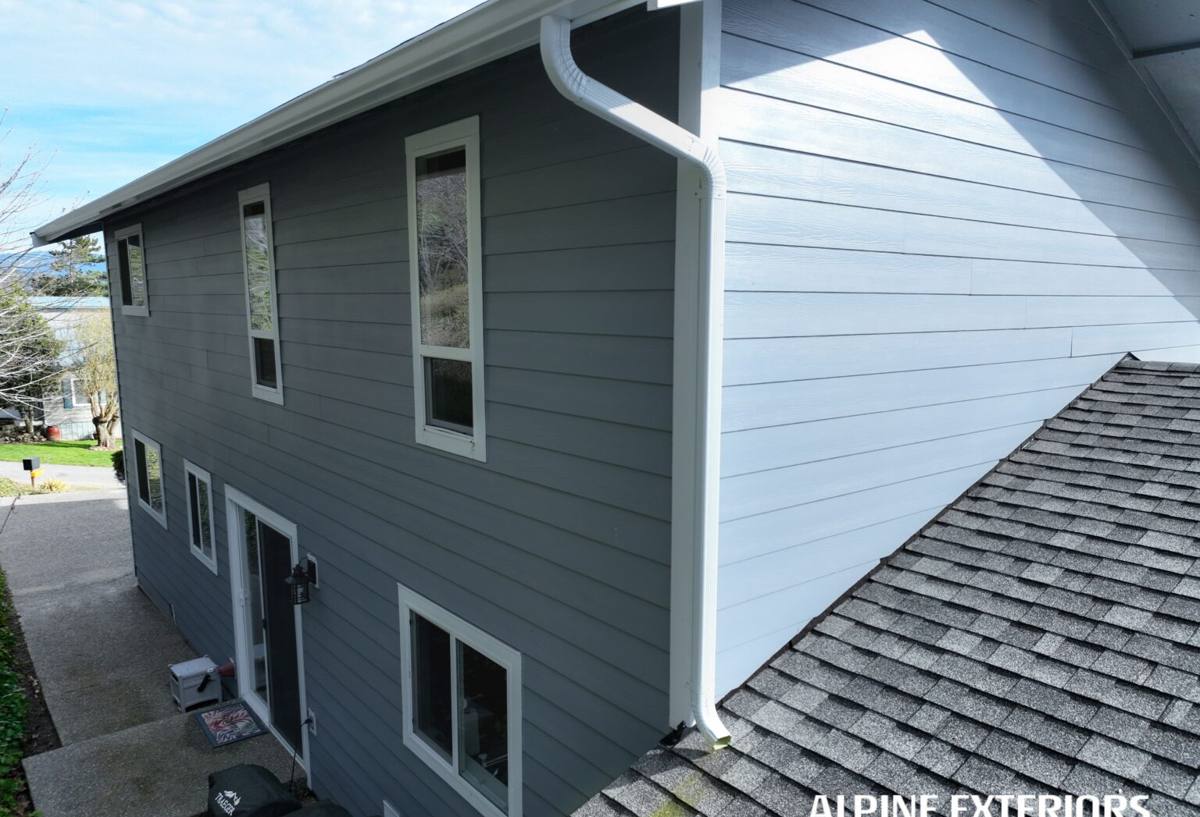
What Samish's Climate Does to a Roof Over Time
Salt Air and Corrosion
Coastal and near-coastal air carries fine salt particles that settle on every exposed surface, including roofing. On bare or poorly coated metal, that salt accelerates corrosion — it eats away at fasteners, seams, and cut edges faster than it would further inland. This is why not every metal roofing product is a good fit for a property like yours. Panel finish, fastener grade, and how cut edges are treated all matter more here than they would on a roof twenty miles inland, and it's a factor we account for when we recommend a product.
Wind-Driven, Sideways Rain
Whatcom County gets plenty of straightforward rainfall, but the storms that do the most damage are the ones that push rain sideways under wind load. That kind of rain finds its way into any gap in flashing, any short lap in underlayment, or any fastener that wasn't seated with the right pattern. A roof that sheds water fine in a light drizzle can still leak in a wind-driven storm if the details underneath the panels weren't done right.
A Long Moss Season
Between the shade from surrounding trees, the persistent moisture, and mild temperatures for much of the year, moss and algae get a long window to establish themselves on a roof surface. On asphalt shingles, moss roots into the granules and shortens the roof's life. Metal doesn't give moss the same foothold, but a roof with poor slope, clogged valleys, or debris buildup can still hold enough moisture to grow moss along seams and fastener heads over time.
Why Metal Roofing Fits This Climate Well
Metal roofing isn't the right choice for every home or every budget, but for the conditions Samish deals with, it has real advantages:
- Sheds wind-driven rain more reliably than lapped shingle materials when seams and flashing are done right
- Doesn't absorb moisture the way organic shingle materials do, which limits how much moss and algae can take hold
- Handles the freeze-thaw and repeated wet-dry cycles typical of a Pacific Northwest winter without the granule loss or cupping that shortens an asphalt roof's life
- With the right coating and fastener choice, resists the corrosion that salt-laden air accelerates
- Long service life relative to asphalt, which matters on a property exposed to this much weather turnover year to year
None of that is automatic. It comes from choosing the right product for a coastal-influenced site and installing it the way it's meant to be installed — not from the word "metal" on its own.
Metal Roofing Options We Install
There isn't one "metal roof" — the panel style you choose affects cost, appearance, and how well the roof performs against the specific weather Samish sees. Here's how the main options compare for a home in this area:
| Panel Type | Best For | Coastal Performance | Relative Cost |
|---|---|---|---|
| Standing seam | Homes wanting the cleanest look and longest service life | Concealed fasteners resist salt-air corrosion best; excellent for driving rain | $$$ |
| Exposed-fastener panels | Budget-conscious projects, outbuildings, simpler rooflines | Good rain performance, but exposed fasteners need the right grade and periodic checking in salt air | $$ |
| Metal shingles / shakes | Homes wanting a traditional look with metal's durability | Strong wind and rain performance; interlocking design limits moss-friendly moisture pockets | $$$ |
For most homes this close to the water, we lean toward standing seam or metal shingles because the fastener exposure is lower, which matters more here than it would inland. Exposed-fastener panels can still be a sound choice on the right structure with the right hardware — it depends on the roof and the budget.
What a Correct Installation Actually Involves
The panels themselves get most of the attention, but the layers underneath them are what determine whether the roof actually performs in Samish conditions. A correct metal roof installation includes:
Underlayment
A high-temperature, self-adhering underlayment at eaves, valleys, and penetrations, with synthetic underlayment across the field — not the older felt products, which don't hold up as well under wind-driven moisture over the long haul.
Fasteners and Sealants
Fastener grade matched to the panel and the environment, with sealants and closures rated for the movement metal panels go through as they expand and contract with temperature swings.
Flashing and Transitions
Custom-formed flashing at valleys, hips, chimneys, and wall transitions — the points where most roof leaks actually originate, metal or otherwise. Off-the-shelf flashing that doesn't match the roof's actual geometry is a common shortcut that causes problems years later.
Ventilation
Proper ridge and soffit ventilation so moisture doesn't get trapped against the underside of the panels, which matters in a climate where the air itself carries a lot of moisture much of the year.
Skipping or shortcutting any one of these doesn't show up as a problem on install day — it shows up two, five, or ten years later as a leak, a corroded fastener, or a moss colony that shouldn't be there. That gap between what looks finished and what's actually done right is exactly why the installer matters as much as the material.
Our Process From Estimate to Final Walkthrough
- On-site assessment. We look at your roof's slope, existing structure, ventilation, and any problem areas — valleys, chimneys, skylights — before recommending a panel type.
- Honest product recommendation. We'll tell you which panel style fits your roof, your budget, and the exposure your home actually gets, not just the option with the highest margin.
- Written estimate. Scope, materials, and price laid out clearly, with no vague allowances buried in the fine print.
- Tear-off and deck inspection. We check the roof deck for rot or damage once the old roofing is off — this is often where hidden problems from a previous roof surface, or moss that's been eating at the roof, come to light.
- Underlayment and flashing installation. The part that doesn't show once the job is done, and the part we won't rush.
- Panel installation. Installed to the manufacturer's specifications for fastener pattern, seam engagement, and panel overlap.
- Final walkthrough. We go over the finished roof with you and answer any questions about maintenance or warranty coverage before we consider the job done.
What to Expect for Maintenance
Metal roofing is lower-maintenance than shingles, but "lower" isn't "none" — especially in a climate that puts salt, rain, and moss pressure on a roof year-round. A reasonable maintenance routine looks like:
- A visual check from the ground or a ladder once or twice a year, especially after a major windstorm
- Clearing debris — needles, leaves, moss fragments — out of valleys and off the roof surface so water doesn't pool
- Keeping gutters clear so water has somewhere to go instead of backing up under the roof edge
- Watching for any streaking or discoloration near fasteners or seams, which can be an early sign a sealant or coating needs attention
- Trimming back overhanging branches that keep the roof shaded and damp longer than it needs to be, which feeds moss growth
None of this is a big lift, but skipping it for years at a stretch is how small issues turn into roof-deck problems.
What Affects the Cost of a Metal Roof in Samish
Every roof is different, and we won't quote a number without seeing yours, but the main factors that move the price are:
| Factor | Why It Matters |
|---|---|
| Panel type | Standing seam costs more than exposed-fastener panels due to material and labor complexity |
| Roof complexity | Valleys, dormers, and multiple roof planes require more custom flashing and labor |
| Tear-off vs. overlay | Removing an old roof and inspecting the deck adds cost but is usually the right call on an older home |
| Accessibility | Steep pitches or difficult site access affect labor time and safety equipment needs |
| Deck condition | Rot or damage found during tear-off needs to be repaired before new roofing goes on |
Metal roofing typically costs more upfront than asphalt shingles. Where it tends to earn that back is in a longer service life and less exposure to the moss, algae, and moisture-related repairs that are common on this stretch of coastline.
Why Hire a Crew That Already Works in Samish
A roofing crew that mostly works dry, inland jobs doesn't run into salt-air corrosion or moss-choked valleys on a regular basis, so it's not always front of mind when they're choosing fasteners or planning ventilation. Working in and around Whatcom County day in and day out means we're used to building in the extra margin this climate calls for — the right fastener grade, the underlayment that holds up to sustained wet weather, the flashing details that matter when rain is coming in sideways off the water. It's the difference between a roof that's built to a generic spec and one that's built for the weather it's actually going to face.
If you're weighing metal roofing for a home in the Samish area, we're happy to take a look and walk you through what makes sense for your roof, with no pressure to commit. Request a free estimate using the form below.