 Whatcom County
 Storm Damage Roofing in Silver Beach
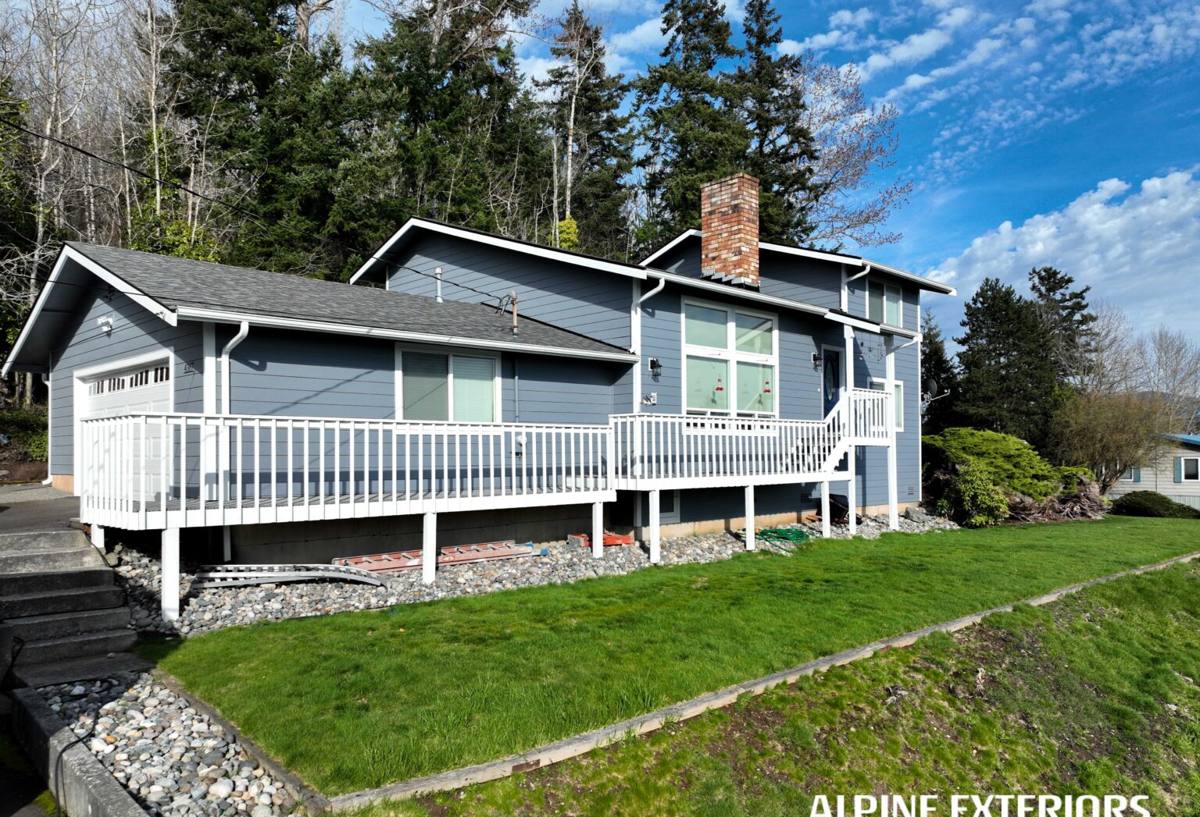
Silver Beach sits along the shore of Lake Whatcom, tucked under a heavy tree canopy on hilly, wooded lots. That setting is a big part of why the neighborhood is desirable — and it's also exactly why roofs here take a different kind of beating than roofs out in the open. Wind funneling across the lake, branches and whole limbs coming down in winter storms, and a long, wet moss season that never really lets a roof dry out completely between November and April. When storm damage hits a Silver Beach roof, it's rarely just one clean problem. It's usually a mix of impact damage, wind-lifted shingles, and moisture that's been working on weak spots for longer than anyone realized.
We repair storm-damaged roofs across Whatcom County, and Silver Beach's tree-heavy, lakeside lots are some of the more demanding jobs we handle. This page covers what actually goes wrong with roofs in this specific setting, what a proper repair looks like, and how we approach it.
What Storms Actually Do to a Silver Beach Roof
Wind Off the Lake
Lake Whatcom creates its own wind patterns — gusts can accelerate across open water and hit the shoreline homes harder than you'd expect from the forecast alone. That wind gets under shingle tabs that have already lost some of their seal from age or moss growth, and once one tab lifts, the ones around it are next. A single storm can turn a handful of already-weak shingles into an open path for water.
Falling Limbs and Debris
The tree cover that makes Silver Beach shaded and private is also the number one source of storm damage we see there. Windstorms bring down limbs, and sometimes whole trees, onto roofs. The damage isn't always a dramatic hole — often it's cracked or punctured shingles, bent flashing, or a dented vent that looks minor from the ground but is letting water in every time it rains.
Moss, Debris Buildup, and Trapped Moisture
Heavy shade means slower drying. Needles, leaves, and moss build up in valleys and along eaves faster here than on a roof out in open sun, and that debris holds water against the shingle surface long after a storm has passed. Moss also works its way under shingle edges and lifts them, which is often the hidden reason a roof leaks during a storm even though nothing visibly "broke."
Driving Rain and Wind-Driven Water
Whatcom County storms frequently bring rain sideways, not straight down. That matters because wind-driven rain finds its way past damage that would never leak in a normal downpour — nail pops, small cracks, gaps around flashing. A roof that's "fine" in light rain can leak badly in a wind-driven storm.
Signs You Have Storm Damage
- Missing, cracked, curled, or displaced shingles after a windstorm
- Granules collecting in gutters or at the base of downspouts
- A new leak, stain, or damp spot on a ceiling or in the attic after a storm
- Visible dents or gouges in shingles, vents, or metal flashing near a fallen limb
- Flashing that's bent, lifted, or pulled away from a chimney, wall, or skylight
- Moss or debris buildup that's noticeably worse in valleys and along the eaves
- Daylight visible through the roof deck from inside the attic
Not every one of these means a full roof replacement. Most storm damage in Silver Beach is repairable if it's caught and addressed before repeated wet-dry cycles turn a small leak into rot in the decking or framing underneath.
Our Storm Damage Repair Process
1. Inspection, Not Guesswork
We get on the roof and look at the whole system — shingles, flashing, valleys, vents, and the attic underside where visible — not just the spot you called about. Storm damage often has a companion problem nearby that isn't obvious from the ground. We also check for moss and debris that may have contributed to the failure, since fixing the visible damage without addressing that just invites the same problem back.
2. Honest Assessment of What's Actually Needed
We'll tell you plainly if a repair is a real fix or a stopgap. Localized damage — a section of shingles, a flashing detail, a punctured spot from a limb — is almost always a straightforward repair. If the damage is widespread, or if we find soft decking or rot underneath, we'll explain that clearly and give you options rather than pushing a bigger job than you need.
3. Matching Materials
We match shingle type, color, and where possible the manufacturer to what's already on your roof, so a repair blends in rather than standing out as a patch. When an exact match isn't available — which happens with older roofs — we'll talk through the best practical option before starting.
4. Proper Flashing and Sealing
A lot of storm leaks come back because a repair replaced the shingles but not the flashing underneath them. We rebuild flashing details properly — valleys, chimneys, walls, vents — rather than just caulking over a problem. Caulk is a short-term patch, not a repair.
5. Cleanup
Storm repairs often come with debris — broken branches, old shingle material, nails. We clear the roof and the ground around the work area before we consider the job done.
Repair vs. Replacement: What Decides It
| Factor | Usually a Repair | Usually Points to Replacement |
|---|---|---|
| Extent of damage | Isolated to one area or slope | Spread across multiple areas of the roof |
| Age of roof | Under 10-15 years, otherwise sound | Near or past expected service life |
| Decking condition | Solid, no soft spots | Soft, spongy, or visibly rotted decking |
| Underlying moss/moisture history | First occurrence, addressed at time of repair | Chronic moss and trapped moisture over years |
| Shingle match availability | Close match available | No reasonable match, mismatched patches would be obvious |
Most storm calls we get in Silver Beach fall into the "repair" column. We don't default to recommending replacement — if a repair will hold up, that's what we'll tell you.
Why the Wooded, Lakeside Setting Changes the Job
A roof repair on an open, sunny lot and a roof repair on a shaded Silver Beach lot are not the same job, even with identical damage. On a shaded roof we build in extra attention to drainage and airflow at the repair site, because the surrounding canopy means that spot will stay damp longer than average after every rain. We also check nearby branches and overhang when we're already on the roof — not to do tree work, but to flag anything that looks like it's likely to cause the same damage again next storm season.
Lake-adjacent wind exposure is another factor we account for. Repairs near roof edges and rakes get extra fastening attention, since that's where wind uplift concentrates first in a lakeside gust.
What a Proper Storm Repair Includes
- Full inspection of the damaged area and surrounding roof sections, not just the reported spot
- Removal of damaged shingles, underlayment, or decking material as needed — not just covering over it
- Repair or replacement of compromised flashing, not just resealing it
- Matched shingle replacement, properly fastened and sealed
- Clearing of moss and debris from the repair area and adjacent valleys
- A clear explanation of what was found and what was done, in plain language
Timing Matters More Than You'd Think
Whatcom County's wet season runs long, and a Silver Beach roof under tree cover dries out slower than most. A small storm-related opening that sits through a few weeks of typical Pacific Northwest rain can turn into saturated insulation, stained drywall, or soft decking — problems that cost a lot more to fix than the original damage would have. If you've had a storm come through and you're seeing any of the warning signs above, it's worth having it looked at before the next round of rain, not after.
Why Local Experience Matters for This Job
Storm damage repair isn't a one-size-fits-all trade. A crew that mostly works open, sun-exposed roofs in drier parts of the state won't necessarily think to check for moss intrusion under lifted shingles, or account for how long a shaded valley stays wet after a lakeside storm. We work roofs across Whatcom County regularly, including the tree-covered, lake-adjacent lots around Silver Beach, so we know what to look for beyond the obvious damage — and we know how to repair it so it holds up through the next wet season, not just until the next one.
If a recent storm has left you with missing shingles, a new leak, or debris damage on your roof, we're happy to come take a look. Reach out for a free, no-pressure estimate — we'll tell you honestly what we find and what it will take to fix it right.