 Whatcom County
Asphalt Shingle Roofing in Columbia: A Roof Built for This Neighborhood's Weather
Columbia is one of the neighborhoods where we get called back to the same streets year after year, and the reason is simple: an asphalt shingle roof here has to deal with a specific combination of conditions that a generic install doesn't always account for. Salt-tinged air off the water, long stretches of driving rain, and a moss season that can run most of the year all work on a roof differently than they would inland. Asphalt shingles remain one of the most practical, cost-effective roofing choices for Columbia homes, but only when the install respects what this climate actually does to a roof deck, underlayment, and flashing over time.
This page covers what we look for on a Columbia asphalt shingle roofing job, what correct work looks like from deck to ridge, and why a crew that already works this part of Whatcom County tends to catch problems a one-time visiting contractor might miss.
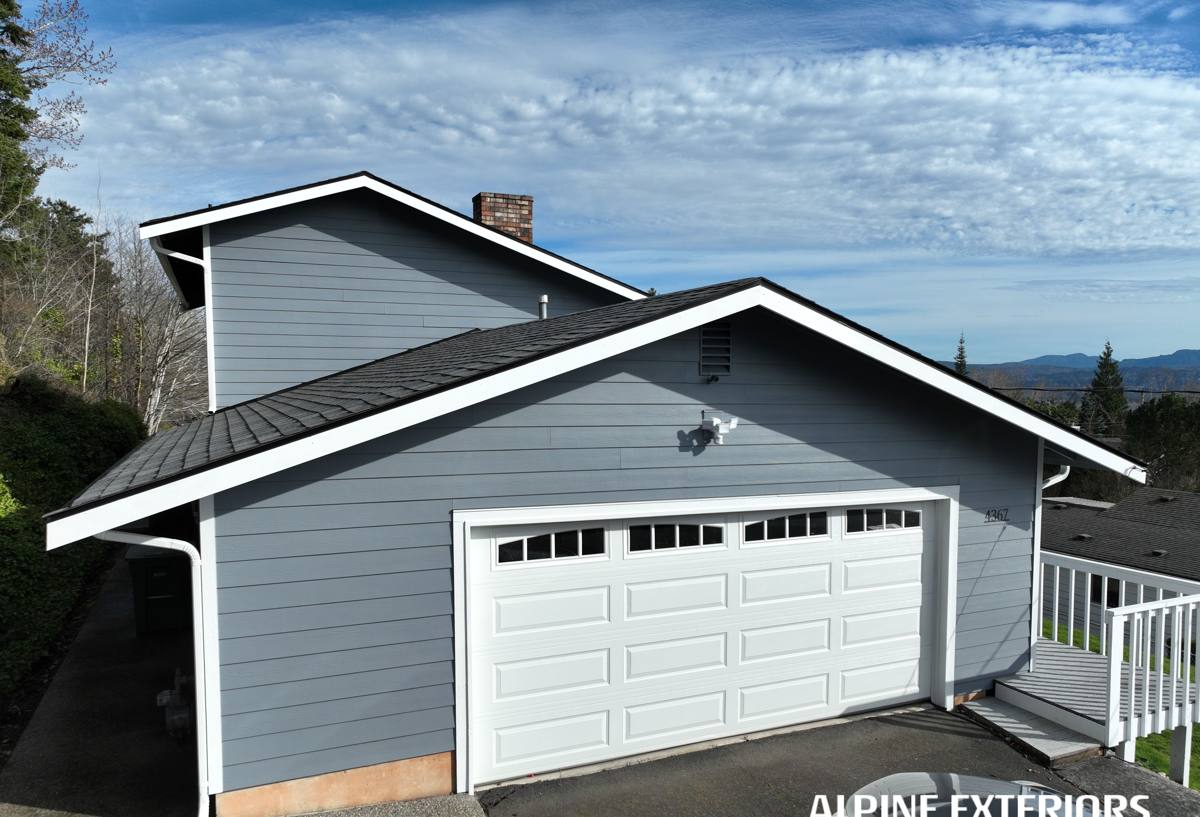
How Whatcom County's Climate Shapes an Asphalt Shingle Roof
Every roofing material has to answer to the local climate, and asphalt shingles are no exception. In Columbia, three conditions do most of the work of aging a roof faster than it should:
Salt Air
Proximity to the water means metal components on a roof — nails, flashing, vent stacks, drip edge — face more corrosion pressure than the same materials would inland. Shingles themselves aren't especially vulnerable to salt, but the fasteners and flashing that hold a shingle roof together are, and a roof is only as good as its weakest metal component.
Driving Rain
Wind-driven rain doesn't just fall straight down — it gets pushed sideways and upward under shingle edges, around vents, and into any gap in the flashing. A shingle roof that would perform fine in a calmer climate can leak in Columbia if the underlayment, flashing laps, and shingle overlap aren't installed with that wind-driven pattern in mind.
Long Moss Season
Moss and algae growth thrives in the shaded, damp conditions common across Whatcom County for much of the year. Moss doesn't just look bad — it holds moisture against the shingle surface, lifts shingle edges as it grows, and can work its way under tabs over time, shortening the life of an otherwise sound roof.
None of these conditions are unique to Columbia, but together they add up to a roof that needs more attention to ventilation, underlayment quality, and flashing detail than a standard installation checklist assumes.
What a Correct Asphalt Shingle Roof Install Involves
A shingle roof is a system, not just a layer of shingles nailed to a deck. Skipping or shortcutting any layer shows up as a problem within a few years — sometimes sooner in a climate like this one.
Deck Inspection and Repair
Before anything goes down, the roof deck itself needs to be sound — no soft spots, no delaminated sheathing, no hidden rot from a prior leak. In an area with as much moisture exposure as Columbia sees, we treat deck inspection as a non-negotiable step, not an upsell.
Underlayment
Given the driving rain this area sees, we don't treat underlayment as an afterthought. A quality synthetic or self-adhered underlayment, installed with proper overlap, is the roof's backup defense if wind-driven water gets past the shingles — which it eventually will, at some point, on any roof.
Ice and Water Barrier at Vulnerable Points
Eaves, valleys, and areas around penetrations benefit from a self-adhering ice and water barrier, even in a climate where snow and ice aren't the primary concern. In Whatcom County, this membrane does double duty protecting against wind-driven rain intrusion at the roof's most vulnerable transitions.
Shingle Installation
Correct nailing pattern, correct exposure, and correct alignment all matter more than they might seem to from the ground. Under-nailed or misaligned shingles are far more likely to lift in wind and let water track underneath — exactly the failure mode driving rain exploits.
Flashing
Flashing around chimneys, skylights, walls, and valleys is where most roof leaks actually originate — not in the open field of shingles. Given the salt air in Columbia, we pay close attention to flashing material choice and how well it will hold up to corrosion over the roof's service life.
Ventilation
Proper intake and exhaust ventilation keeps the attic space at a stable temperature and moisture level, which both extends shingle life and reduces the conditions that let moss and algae take hold on the roof surface. A roof that traps heat and moisture underneath the shingles ages faster than one that breathes correctly, regardless of shingle quality.
Our Process for a Columbia Roofing Job
- On-site inspection. We assess the existing roof, deck condition, ventilation setup, and any signs of moss, algae, or prior leak damage specific to the home.
- Written estimate. We walk through material options, scope of work, and a clear cost breakdown before any work begins — no surprise add-ons mid-project.
- Deck prep. Any damaged or soft sheathing is identified and replaced before underlayment goes down.
- Underlayment and flashing. We install underlayment and flashing sized and detailed for this area's wind-driven rain exposure.
- Shingle installation. Shingles go down to manufacturer specification for nailing pattern and exposure, adjusted for local wind exposure where the site calls for it.
- Ventilation check. We confirm intake and exhaust ventilation is adequate for the attic space, correcting it where it isn't.
- Final walkthrough. We review the completed roof with the homeowner, including basic maintenance guidance for moss and debris management going forward.
Shingle Options: What Actually Makes Sense for This Climate
Not every asphalt shingle product performs the same way under Columbia's specific mix of salt air, rain, and moss pressure. Here's how the common tiers compare on the factors that matter most locally.
| Shingle Type | Moss/Algae Resistance | Wind Rating | Typical Lifespan Here |
|---|---|---|---|
| Standard 3-tab | Low unless treated | Lower | Shorter end of range in this climate |
| Architectural (dimensional) | Moderate to good with algae-resistant granules | Higher | Solid mid-to-long range performance |
| Algae-resistant (copper/zinc granule) architectural | Best available in asphalt | Higher | Best long-term value for moss-prone sites |
For most Columbia homes, we recommend an architectural shingle with algae-resistant granules given how much of the year this area spends under damp, shaded conditions favorable to moss growth. It costs more up front than standard 3-tab but generally pays for itself in reduced maintenance and a longer service life before replacement.
Cost Factors for Columbia Homeowners
Every roof is priced based on its own specifics, but a few factors consistently move the number for homes in this area:
- Roof size and number of facets (complex rooflines take longer to flash and detail correctly)
- Current deck condition and whether sheathing replacement is needed
- Shingle tier chosen — standard versus architectural versus algae-resistant
- Extent of flashing work required around chimneys, skylights, and valleys
- Existing ventilation setup and whether it needs upgrading
- Tear-off and disposal of the old roofing versus a layover (we generally don't recommend layovers here, given how much a fresh underlayment layer matters in this climate)
We provide a clear, itemized estimate up front so a homeowner can see exactly what's driving the cost, rather than a single lump number.
Signs a Columbia Roof Needs Attention
Given how gradually shingle roof problems tend to develop, it helps to know what to watch for between inspections.
- Visible moss or algae streaking, especially on north-facing or shaded slopes
- Curling, cracking, or missing shingle tabs
- Granules collecting in gutters or at downspout outlets
- Water stains on interior ceilings or in the attic, particularly after wind-driven rain events
- Soft or spongy spots when the roof is walked
- Rust staining around flashing or vent stacks
Any one of these on its own isn't necessarily an emergency, but they're worth having looked at before the next wet season adds to the problem.
Between full inspections, a few simple maintenance habits go a long way toward protecting a Columbia roof's lifespan. Clearing gutters and downspouts before the fall rains keeps water moving off the roof instead of backing up under the first course of shingles. Trimming back tree limbs that shade a roof slope reduces the damp, low-light conditions moss favors most. And a periodic soft wash or moss treatment on north-facing or heavily shaded sections can keep growth in check between full roof services, especially on homes closer to the water where salt and moisture both work on the surface year-round.
Why a Local Crew Matters for This Kind of Work
A roofing crew that already works Columbia and the surrounding Whatcom County area has seen how homes in this specific setting age — which flashing details tend to fail first, which slopes hold moss longest, and which shingle products actually hold up to salt air over a decade rather than just on a spec sheet. That familiarity shows up in fewer callbacks and a roof that's built for the conditions it will actually face, not just installed to a generic checklist. It also means the same crew is reachable for a warranty question or a maintenance check years down the line, rather than a company that did one job in the area and moved on.
If you're weighing a repair against a full replacement, or just want an honest read on your current roof's condition, we're glad to take a look. Reach out for a free, no-pressure estimate using the form below.