 Whatcom County
Roofing That Actually Holds Up in Barkley
Barkley homes sit close enough to the water and the tree line that roofs here take a different kind of beating than roofs twenty miles inland. Salt-laden air moves through on a regular basis, driving rain comes in sideways more often than most homeowners expect, and the long stretch of wet, shaded months every year gives moss and algae plenty of time to get established. An asphalt shingle roof that isn't installed with those specific conditions in mind will show its age early, whether that's granule loss, soft spots from trapped moisture, or moss lifting shingle edges until water finds a way underneath.
This page is about one thing: doing asphalt shingle roofing correctly for Barkley homes, given the climate they actually sit in. Not a generic roofing pitch, but the specifics that matter here.
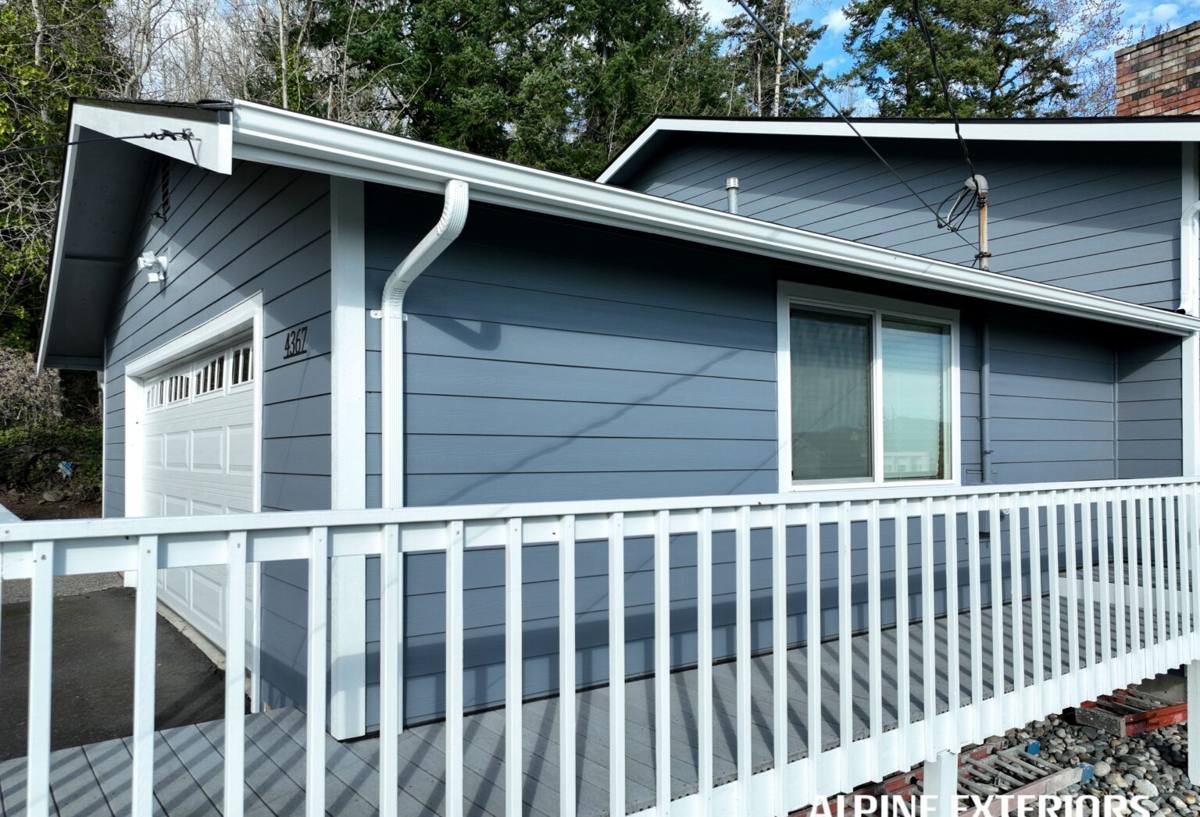
What Whatcom County's Climate Does to a Roof
Salt Air and Metal Components
Homes closer to the water deal with airborne salt that accelerates corrosion on exposed metal flashing, nails, and fasteners. A roof that uses standard-grade fasteners or under-protected flashing details will show rust streaking and early metal fatigue well before the shingles themselves are due for replacement. This is one of the most overlooked failure points on coastal and near-coastal roofs.
Driving Rain
Whatcom County storms frequently bring rain at an angle, not straight down. That matters because it pushes water up and under shingle tabs, into exposed nail heads, and along any flashing seam that isn't properly lapped. A roof designed for calmer, more vertical rainfall patterns can perform fine in a light shower and still fail during a wind-driven storm.
Moss Season
Between the shade from mature trees common in established neighborhoods and a long wet season, moss has months to take hold on north-facing slopes and shaded valleys. Moss isn't just cosmetic — as it grows, it lifts shingle edges, holds moisture against the roof deck, and creates channels for water to travel sideways instead of down and off the roof.
Signs a Barkley Roof Needs Attention
- Moss or dark algae streaking on north-facing or shaded slopes
- Granules collecting in gutters or at downspout outlets
- Curling, cupping, or lifted shingle tabs, especially at ridges and edges
- Rust staining around flashing, vent boots, or exposed fasteners
- Soft or spongy spots underfoot when walking the roof (a sign of deck moisture)
- Daylight visible through the attic roof deck, or damp insulation below the roofline
- Shingles missing entirely after a windstorm, or edges that flap in wind
Any one of these on its own might not be urgent. Several together, or moss combined with granule loss, usually means the roof is past the point where cleaning alone fixes the problem.
What a Correct Installation Actually Involves
Asphalt shingle roofing looks simple from the ground, but the parts you can't see are what determine whether a roof handles Whatcom County weather for its full expected life or fails early. A correct job includes:
Underlayment and Water Barrier
A synthetic underlayment rated for the wind and moisture exposure of this area, with self-adhering ice-and-water membrane at eaves, valleys, and around every penetration — chimneys, skylights, vent stacks. This is the backup layer that protects the deck if wind-driven rain gets past the shingles themselves, which it eventually will on any roof over enough years.
Flashing Details
Corrosion-resistant flashing at every valley, wall intersection, and roof penetration, properly lapped so water is always directed downhill and off the roof rather than pooling or backing up under a seam. Given the salt exposure common in Barkley, we treat flashing material choice and fastener quality as a real decision, not an afterthought.
Ventilation
Balanced intake and exhaust ventilation so the attic can dry out between wet stretches. Poor ventilation traps moisture, which shortens shingle life from underneath and can lead to deck rot that no amount of surface repair will fix.
Fastening and Nailing Pattern
Correct nail placement and count per shingle, matched to the manufacturer's high-wind specification. This is one of the most common shortcuts on rushed jobs, and it's usually invisible until a storm pulls shingles off that should have stayed put.
Choosing Shingles for This Climate
Not every asphalt shingle product performs the same way in a wet, moss-prone, salt-influenced environment. Here's how the common options compare for Whatcom County conditions:
| Shingle Type | Moss/Algae Resistance | Wind Rating | Best For |
|---|---|---|---|
| Standard 3-tab | Low unless treated | Lower wind ratings | Budget-conscious replacements on low-slope, less exposed roofs |
| Architectural (laminate) | Moderate to high with algae-resistant granules | Higher wind ratings | Most Barkley homes — better durability and appearance |
| Algae-resistant (copper/zinc granule) architectural | Highest | Higher wind ratings | Heavily shaded lots or roofs with a history of moss problems |
We generally steer Barkley homeowners toward architectural shingles with algae-resistant granules, especially on shaded or north-facing sections. The upfront cost difference is modest compared to the labor cost of re-treating or replacing a roof that's fighting moss within a few years. That's a maintenance and lifecycle judgment, not a claim that other shingle types are defective — it's simply what holds up best against this specific combination of shade, moisture, and salt air.
Our Process for Barkley Roofing Projects
- Inspection. We walk the roof and attic, check flashing, ventilation, and deck condition, and document what we find before recommending repair or replacement.
- Honest assessment. If a repair genuinely solves the problem, we say so. Full replacement only gets recommended when the roof's condition actually calls for it.
- Material selection. We walk through shingle options and flashing/fastener upgrades appropriate to the home's exposure — shaded lot, open exposure, proximity to water.
- Tear-off and deck check. Old roofing comes off down to the deck, and we inspect the sheathing for rot or soft spots before anything new goes down.
- Installation. Ice-and-water membrane at vulnerable points, correct underlayment, proper flashing, and manufacturer-spec nailing.
- Ventilation check. We confirm intake and exhaust venting is balanced for the attic space, adjusting where needed.
- Final walkthrough. We review the completed work with the homeowner and go over basic care going forward.
Cost Factors for Barkley Roof Projects
| Factor | Why It Matters Here |
|---|---|
| Roof size and pitch | Steeper roofs and more complex rooflines take longer and require more safety setup |
| Deck condition | Rot or soft sheathing found during tear-off adds repair work before new roofing can go down |
| Shingle grade | Algae-resistant architectural shingles cost more upfront but reduce moss-related maintenance |
| Flashing and fastener upgrades | Corrosion-resistant materials matter more for homes with salt air exposure |
| Ventilation modifications | Adding or correcting intake/exhaust venting affects labor and material cost |
| Access and tree cover | Overhanging trees common in shaded lots can add cleanup and protection work |
We give a broad range during the initial walk-through and a firm number once we've inspected the deck and confirmed scope. We don't quote a number sight unseen, because the deck condition under the old shingles is often the biggest variable.
Moss and Ongoing Maintenance
A correctly installed roof with algae-resistant shingles still benefits from periodic attention in a climate like this one. We recommend:
- Keeping gutters clear so water doesn't back up under the lowest course of shingles
- Trimming back overhanging branches to reduce shade and debris buildup on north-facing slopes
- Having moss growth removed properly (not scraped aggressively, which damages granules) rather than left to spread
- Scheduling a roof check after any major windstorm to catch lifted or missing shingles early
- Watching for granule buildup in gutters as an early signal of shingle wear
Why a Local Crew Matters
A crew that works Barkley regularly already knows which slopes hold moss longest, which older homes in the area tend to have ventilation gaps, and how the local wind and rain patterns actually behave through the wet season — not just what a manufacturer spec sheet says in general. That local knowledge shows up in small decisions during installation: where to add extra ice-and-water protection, which flashing details need reinforcing, and how to set expectations honestly about what a roof will need over time in this specific part of Whatcom County. It also means someone is nearby and familiar with the job if a question comes up after installation, rather than a crew that did one project in the area and moved on.
If you're weighing a repair versus a full replacement, or just want an honest read on how much life is left in your current roof, we're happy to take a look. Reach out for a free, no-pressure estimate using the form below.