 Whatcom County
Windows Built for Bellingham's Weather, Not a Showroom in Phoenix
Bellingham sits close enough to the water and the foothills that its windows take a beating most manufacturers never test for. Salt-laden air off Bellingham Bay works into weep holes and hardware. Driving rain off the Sound pushes sideways against glass and trim for days at a stretch. And the long gray stretch from October through April keeps north-facing walls damp long enough to grow moss on siding and, eventually, rot on window sills that never fully dry out. A window that's rated fine for a drier climate can still fail here in five or six years if it wasn't installed with this specific weather in mind.
This page is about one thing: replacing windows on Bellingham homes, done by a crew that works this specific market and knows what actually goes wrong with windows in this part of Whatcom County.
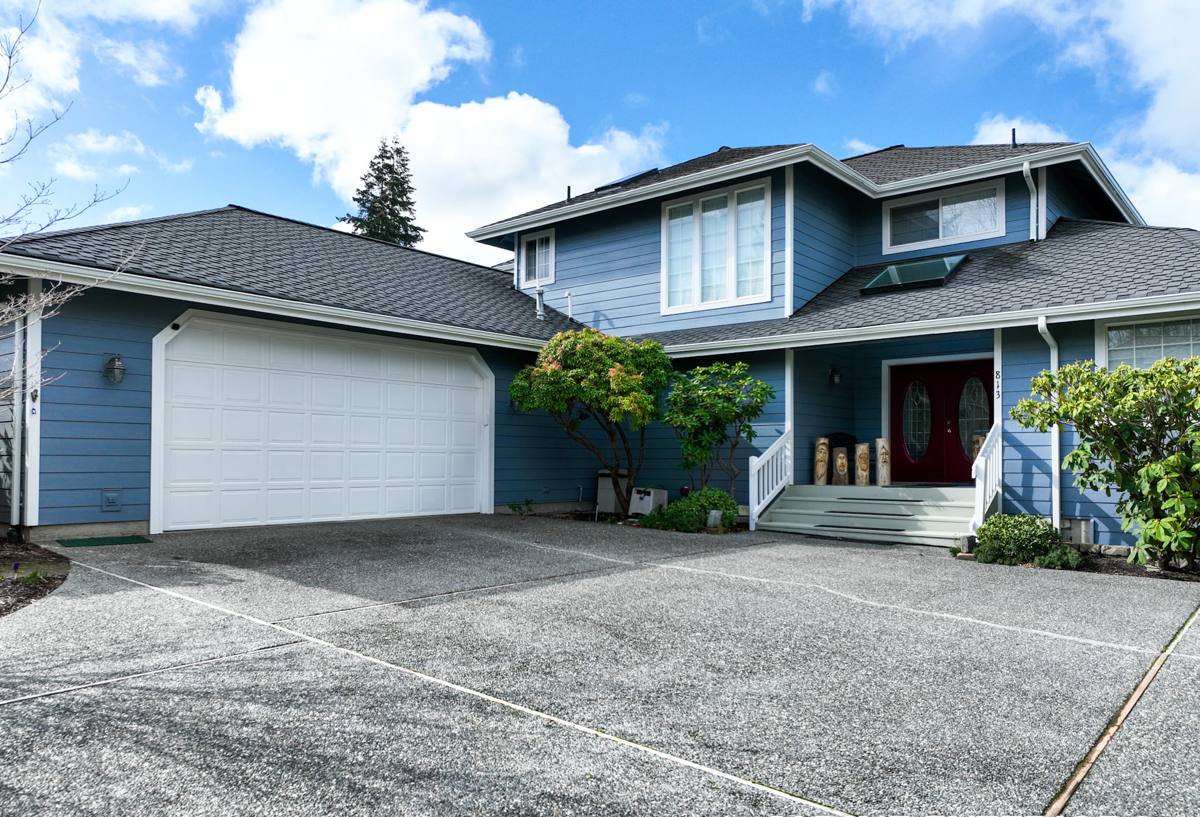
What Whatcom County's Climate Actually Does to Windows
Homeowners often assume window failure means the glass unit is bad. Usually the real problem is water management around the frame, not the glass itself. A few things are specific to our area:
- Wind-driven rain: Storms coming off the water push rain horizontally, not just down. Flashing and sill pans that would be adequate in a calmer climate can let water track behind the frame here.
- Salt air corrosion: Homes closer to the bay see faster corrosion on cheap hardware, hinges, and fasteners. Cranks and locks on older aluminum or budget vinyl windows often seize or pit years before the glass itself fails.
- Extended moss and moisture season: Shaded, north- and west-facing walls stay damp for months. Wood sills and jambs that trap moisture instead of shedding it are where rot starts, usually invisible from inside the house until the frame is already soft.
- Temperature swings between marine layer mornings and clear afternoons: Repeated condensation cycles on single-pane or older double-pane units accelerate seal failure, which shows up as fogging between panes.
None of this means Bellingham is an unusually harsh place to build. It means the details of installation — flashing, sealant choice, sill pan design, hardware grade — matter more here than they would in a dry inland climate, and cutting corners on those details shows up faster.
Signs a Bellingham Home Needs Window Replacement, Not Just Repair
Not every drafty or foggy window needs full replacement. Here's how to tell the difference:
| Symptom | Usually means |
|---|---|
| Fogging or haze between panes | Failed seal on the insulated glass unit — often glass-only fix if frame is sound |
| Window won't stay open, sash drops | Worn balance or hardware — sometimes repairable |
| Soft or spongy wood at the sill or lower corners | Water intrusion and rot — usually full frame replacement |
| Visible gap or daylight around the frame | Failed flashing or settling — needs inspection, often replacement |
| Cold draft even with window fully latched | Worn weatherstripping or frame warping — depends on age and material |
| Difficulty locking, corroded hardware | Hardware wear, common near the bay — sometimes repairable |
| Visible mold or staining on interior trim | Chronic moisture intrusion — almost always replacement |
If you're only seeing one isolated symptom on one window, a repair might genuinely be the right call, and we'll tell you that. If you're seeing several of these across a house that's original to a 20-to-40-year-old build, that's usually the point where patching individual windows stops making financial sense compared to replacing the set.
Why We're Honest About Repair vs. Replace
Replacing windows that don't need it is expensive and wasteful. But under-scoping a job — replacing glass in a frame that's already rotting underneath — just means redoing the work in two or three years. We inspect the frame, sill, and surrounding wall sheathing before recommending either path, and we'll tell you plainly which one you actually need.
What a Correct Window Replacement Involves Here
A window replacement done right in this climate isn't just popping out an old unit and dropping in a new one. The steps that matter most locally:
1. Inspecting Behind the Old Frame
Once the old window is out, we check the rough opening, sill, and sheathing for hidden rot or moisture damage before anything new goes in. In a marine climate, this is the step that gets skipped by crews trying to move fast, and it's the step that determines whether the new window lasts.
2. Sill Pan and Flashing
A properly sloped sill pan and correctly lapped flashing (so water sheds outward and downward, never behind the housewrap) is what actually keeps wind-driven rain out. This is more important than the window brand.
3. Sealant and Backer Rod, Not Just Caulk
Gaps around the frame need backer rod and the correct exterior-grade sealant, applied so the assembly can still expand and contract with temperature swings without cracking the seal.
4. Insulation Around the Frame
Low-expansion foam or fiberglass batting around the perimeter — not just left as an air gap — cuts drafts and reduces condensation risk on the interior trim.
5. Interior and Exterior Trim Finish
Trim gets sealed and finished so it doesn't become the next entry point for moisture. On homes with older wood trim, this often means addressing existing paint or rot issues at the same time, not just working around them.
Window Materials and Glass: Honest Trade-Offs for This Climate
We install a mix of vinyl and fiberglass window lines depending on the home, budget, and look the owner wants. Here's how we think about the trade-offs for a Whatcom County home specifically:
| Factor | Vinyl | Fiberglass |
|---|---|---|
| Upfront cost | Lower | Higher |
| Performance in temperature swings | Good; can expand/contract more over time | Dimensionally stable, tracks close to real wood expansion |
| Salt air / hardware corrosion resistance | Good if hardware is upgraded-grade | Good, typically paired with higher-grade hardware |
| Long-term color/finish options | Limited, mostly white/tan | Wider range, can be painted |
| Typical warranty structure | Solid on frame, glass seal warranty varies by manufacturer | Often longer overall warranty |
On glass, we default to double-pane, low-E, argon-filled units for this climate — they cut heat loss and reduce interior condensation on cold, damp mornings, which is a real comfort issue in a lot of older Bellingham homes. We generally steer away from bargain single-pane replacement units and off-brand glass packages with thin manufacturer warranties, not because they're unsafe, but because seal failure rates climb faster on cheaper glass in a climate with this much humidity cycling — and a fogged-up window a few years after installation is a problem nobody wants to deal with twice.
How Our Process Works
- Walkthrough and inspection: We look at every window being considered, check frames and sills for hidden damage, and talk through what's actually failing versus what's cosmetic.
- Honest scope and estimate: You get a written estimate that separates repair-eligible windows from ones that need full replacement, with straightforward pricing — no upsell pressure on windows that don't need it.
- Scheduling around Whatcom County weather: We plan install days around dry weather windows where possible, and use proper temporary weatherproofing on any opening that has to stay open overnight.
- Removal and inspection behind the old unit: As above — this is where we catch rot or moisture problems before they get sealed back up behind a new window.
- Installation with correct flashing, sealant, and insulation: Not just "screw it in and caulk the edges."
- Final walkthrough: We check operation, sealing, and finish with you before calling the job done.
What to Have Ready Before an Estimate Visit
- A rough count of which windows are problem windows versus fine
- Any history of leaks, drafts, or visible mold near specific windows
- Whether you're aiming for a full-house replacement or a phased approach
- Any HOA or historic-district style requirements, if applicable in your part of Bellingham
- Rough budget range so we can talk realistically about vinyl vs. fiberglass options
Why a Crew That Already Works Bellingham Matters
Window replacement in a marine climate isn't the same trade skill everywhere. A crew that mostly installs in dry inland regions may not think twice about flashing details that are non-negotiable here. Working Whatcom County regularly means we already know:
- Which sill and flashing details actually hold up against wind-driven rain off the Sound, because we've gone back and seen which ones didn't.
- How to read early moss growth and staining patterns on a wall as a signal to check the window frame behind it, not just the siding.
- Realistic install windows around this area's rain patterns, so a job doesn't get rushed through a wet stretch and compromised before it's sealed.
- Local permitting and code expectations for window replacement in this jurisdiction, so there are no surprises mid-project.
That local track record matters more than a brand name on the glass. The best window in the world, installed with the wrong flashing detail in this climate, will leak. The right installation with a solid mid-range window will outlast it.
Maintaining New Windows in a Wet, Salty Climate
A correctly installed window still needs basic upkeep here to hit its full lifespan:
- Rinse hardware and tracks periodically if you're within a mile or two of the bay — salt residue accelerates corrosion on cranks, hinges, and locks.
- Check exterior sealant lines once a year, especially after a hard winter, and have any cracked sealant redone before it lets water behind the trim.
- Keep gutters and downspouts clear near window heads — overflow during heavy rain is a common, avoidable source of water tracking down behind upper-story windows.
- Watch for early moss or algae growth directly around a window frame — it often means that spot stays wetter than the rest of the wall and is worth a closer look.
Getting Started
If you're dealing with drafty, foggy, or hard-to-operate windows anywhere in Bellingham or the surrounding Whatcom County area, we're happy to come take an honest look — no pressure, no upsell on windows that don't need replacing. Use the form below to request a free estimate, and we'll walk the house with you and give you a straight answer on what actually needs to be done.