 Whatcom County
Board & Batten Siding Built for Samish's Coastal Climate
Samish sits close enough to tidal water and open exposure that homes here take a different kind of weathering than siding a few miles inland. Salt-laden air, wind-driven rain off the water, and a moss season that can stretch from fall through spring all put real stress on exterior cladding. Board and batten siding — with its strong vertical lines and deep shadow reveal — is one of the most popular looks for homes in this part of Whatcom County, but the look only holds up if the material and the installation are matched to what this climate actually does to a house.
This page covers what board and batten siding needs to survive in Samish specifically: the climate stresses at play, what a correct installation looks like, why we install only James Hardie fiber cement for this application, and what our process looks like for homeowners in this area.
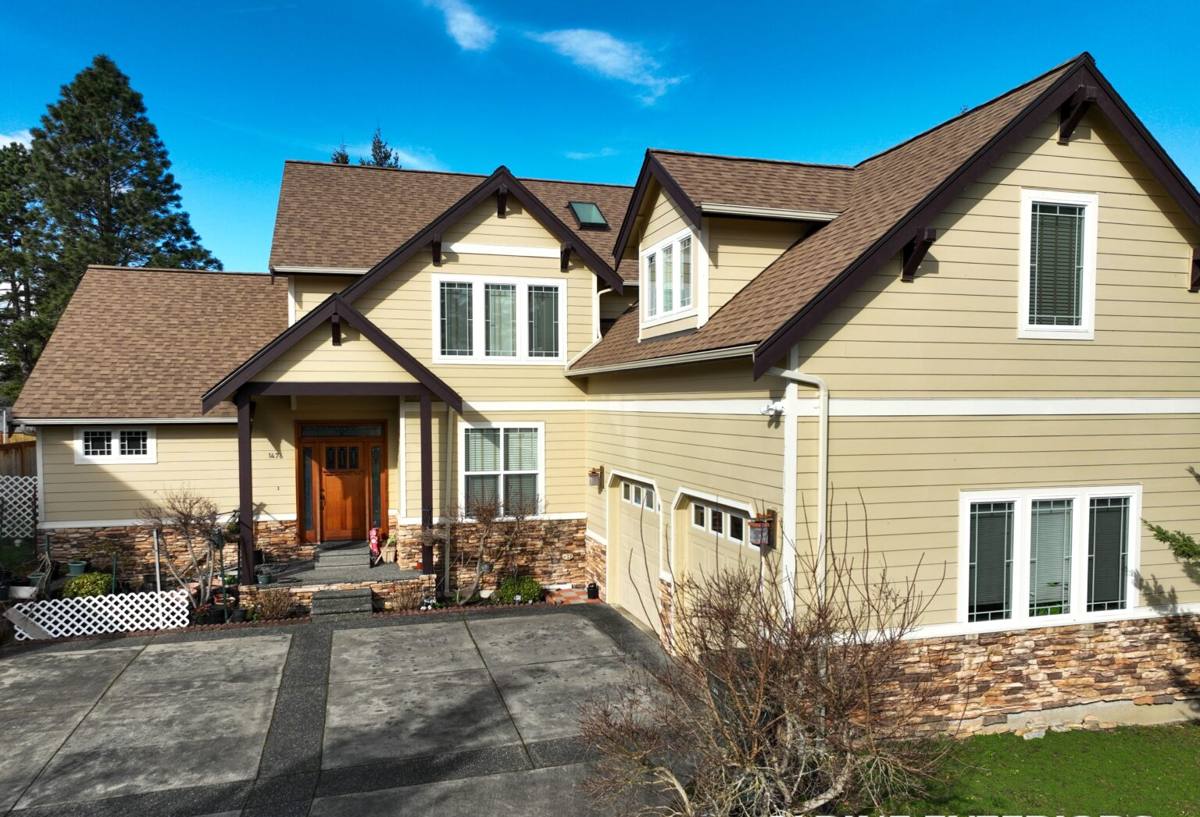
What Salt Air, Driving Rain, and Moss Season Actually Do to Siding
Salt Air and Corrosion
Homes near Samish's shoreline and open water exposure deal with airborne salt that settles on exterior surfaces and accelerates corrosion of anything metal — fasteners, flashing, trim caps, and hardware. Over years, this corrosion can loosen boards, stain finishes, and create small gaps where water gets behind the siding. It's a slow process, which is exactly why it gets overlooked until a board starts to lift.
Driving Rain and Wind-Driven Moisture
Whatcom County storms don't always come straight down. Wind off the water pushes rain sideways into wall assemblies, and board and batten's vertical seams — the very feature that gives it its look — are also where water intrusion happens if the assembly isn't detailed correctly. A batten that isn't properly spaced or fastened over a functioning drainage plane becomes a channel for moisture instead of a barrier against it.
The Long Moss Season
Shaded, damp conditions for much of the year mean moss and algae get a long runway to establish themselves on north-facing walls, under eaves, and anywhere airflow is limited. Moss holds moisture against the siding surface far longer than open air would, which matters most for products that absorb water or swell when wet.
Why Board and Batten Suits Samish Homes — When It's Built Right
The vertical board and batten profile reads well against the wooded, semi-rural character common around Samish, and it pairs naturally with the gabled and craftsman-style rooflines found throughout Whatcom County. It also tends to show far less of the "picture-frame" staining pattern that horizontal lap siding can develop when water runs down a wall face and pools at each course line.
None of that matters, though, if the underlying material can't handle sustained moisture exposure. This is where the choice of siding material becomes the real decision — more so than the profile itself.
Why We Install Only James Hardie Fiber Cement for Board and Batten
We don't install vinyl, LP SmartSide, Cemplank, Allura, primed spruce, or cedar board and batten. That's a standard, not an accident, and it's worth explaining honestly rather than just stating it.
| Material | Where it holds up | Trade-off in this climate |
|---|---|---|
| Vinyl board and batten | Low upfront cost, no painting | Can warp or gap in wide temperature swings; seams are a weak point against wind-driven rain |
| LP SmartSide (engineered wood) | Workable, moderate cost | Wood-based core is vulnerable to sustained moisture and moss contact if any edge or fastener point fails |
| Primed spruce / cedar | Traditional appearance, natural material | Requires ongoing repainting and sealing; highest maintenance burden in a wet, mossy climate |
| James Hardie fiber cement | Non-combustible, dimensionally stable, factory-cured ColorPlus finish | Higher install skill required; must be installed to Hardie's spec to realize the warranty |
Fiber cement doesn't swell, rot, or feed moss the way wood-based products can, and it doesn't develop the seam and fastener issues that vinyl can show after years of salt exposure and thermal cycling. James Hardie's HZ10 product line is specifically engineered for climate zones with heavy moisture exposure — which describes Whatcom County generally and Samish's exposure specifically — and the factory-applied ColorPlus finish resists the fading and chalking that field-applied paint struggles with in a wet climate. Combined with a strong transferable warranty, it's the system we're willing to stand behind on homes here.
What a Correct Board and Batten Installation Actually Involves
A Working Drainage Plane
Behind every board and batten wall we install is a water-resistive barrier and, on most Samish projects, a rainscreen gap that lets any moisture that does get past the surface drain and dry out instead of sitting against the sheathing. This is the single most important detail for a home exposed to driving rain, and it's invisible once the job is done — which is exactly why it's worth asking about.
Fastening and Spacing
Board and batten depends on correct board width, batten spacing, and fastener placement to move with temperature and moisture changes without cracking the finish or loosening over time. We use fasteners rated for coastal and high-moisture exposure to avoid the corrosion issues that accelerate near open water.
Flashing and Trim Details
Every window, door, and roofline intersection is a place where water wants to get behind the siding. Correct head flashing, kick-out flashing at roof-to-wall transitions, and properly lapped trim are what actually keep a board and batten wall dry — the batten pattern itself doesn't do that work.
Finish and Caulking
James Hardie's factory finish reduces the amount of field caulking needed, but the joints that do need it are sealed with a sealant rated for the movement and moisture conditions this climate produces, not a generic all-purpose caulk that will fail in a few seasons.
Cost Factors for a Samish Board and Batten Project
| Factor | Why it affects the job |
|---|---|
| Home size and wall complexity | More corners, gables, and dormers mean more cutting, flashing, and labor time |
| Existing siding removal | Tear-off and disposal of old cedar, vinyl, or wood siding adds time versus a bare-wall install |
| Rainscreen and drainage upgrades | Adding a proper drainage gap where one doesn't exist is worth the cost on wind-exposed walls |
| Trim and flashing scope | Homes with many windows or roof intersections need more custom flashing work |
| Color and finish selection | ColorPlus factory finishes vary slightly in cost by color line but eliminate a paint budget later |
We give real numbers after walking the specific house — broad ranges without seeing the walls, the existing siding condition, and the exposure aren't useful to a homeowner trying to budget accurately.
Our Process for Samish Siding Projects
- On-site assessment: we look at wall exposure, existing siding condition, moisture or moss damage, and roofline details that affect flashing.
- Detailed proposal: a written scope covering material, drainage approach, trim, and color, with a clear timeline.
- Prep and tear-off: removal of failing siding, sheathing inspection, and repair of any hidden moisture damage before new siding goes on.
- Installation to spec: drainage plane, flashing, board and batten install, and finish work done to James Hardie's installation requirements so the warranty is intact.
- Final walkthrough: we go over the finished work with the homeowner and flag any maintenance basics specific to the home's exposure.
Living With Board and Batten in a Moss-Prone, Salty Climate
Even the right material benefits from basic seasonal attention in this climate. A short annual checklist goes a long way toward keeping a board and batten exterior looking and performing the way it should:
- Rinse off moss and algae buildup on shaded or north-facing walls before it spreads, using a gentle low-pressure rinse rather than a pressure washer directly on seams
- Trim back vegetation and tree cover that keeps wall sections in constant shade and dampness
- Check and clear gutters so overflow isn't running directly down siding faces during storms
- Inspect caulking at trim and window joints annually, especially after the wettest months
- Watch for any fastener staining or discoloration, which can signal early corrosion near coastal exposure
Why a Crew That Already Works Samish Matters
Detailing a wall assembly for driving rain and salt exposure isn't generic siding knowledge — it's specific to how weather actually behaves on this stretch of Whatcom County. A crew that's already worked homes in and around Samish knows which walls typically take the worst wind-driven rain, where moss tends to establish first, and how to sequence a tear-off and install around this area's wet stretches without leaving a house exposed. That local familiarity shows up in fewer callbacks and a job that's sequenced around real weather, not a generic schedule.
If you're weighing board and batten siding for a home in the Samish area, we're happy to walk the property, look at your current siding's condition, and give you a straightforward, no-pressure estimate — just fill out the form below.