 Whatcom County
Board & Batten Siding in Silver Beach: What the Climate Demands
Silver Beach homes sit in a stretch of Whatcom County where the weather doesn't let up on a house's exterior. Salt-laden air moves through the region, driving rain comes in sideways more often than straight down, and the long gray stretch from fall through spring gives moss and algae months to take hold on anything that stays damp. Vertical board and batten siding has a distinct profile — wide flat panels with narrow battens covering the seams — and that profile behaves differently in weather than horizontal lap siding. The seams run vertically instead of shedding water course by course, which means the material, the fasteners, and the flashing details all have to be chosen and installed with this specific climate in mind, not a generic one.
A board and batten job that looks right on installation day but wasn't detailed correctly for Whatcom County conditions tends to show its problems within a few wet seasons: swelling at panel edges, streaking and moss growth on the shaded north and west faces, and corrosion bleeding from fastener heads. None of that is inevitable. It's a function of material choice and installation quality, both of which are entirely within a homeowner's control when picking a contractor.
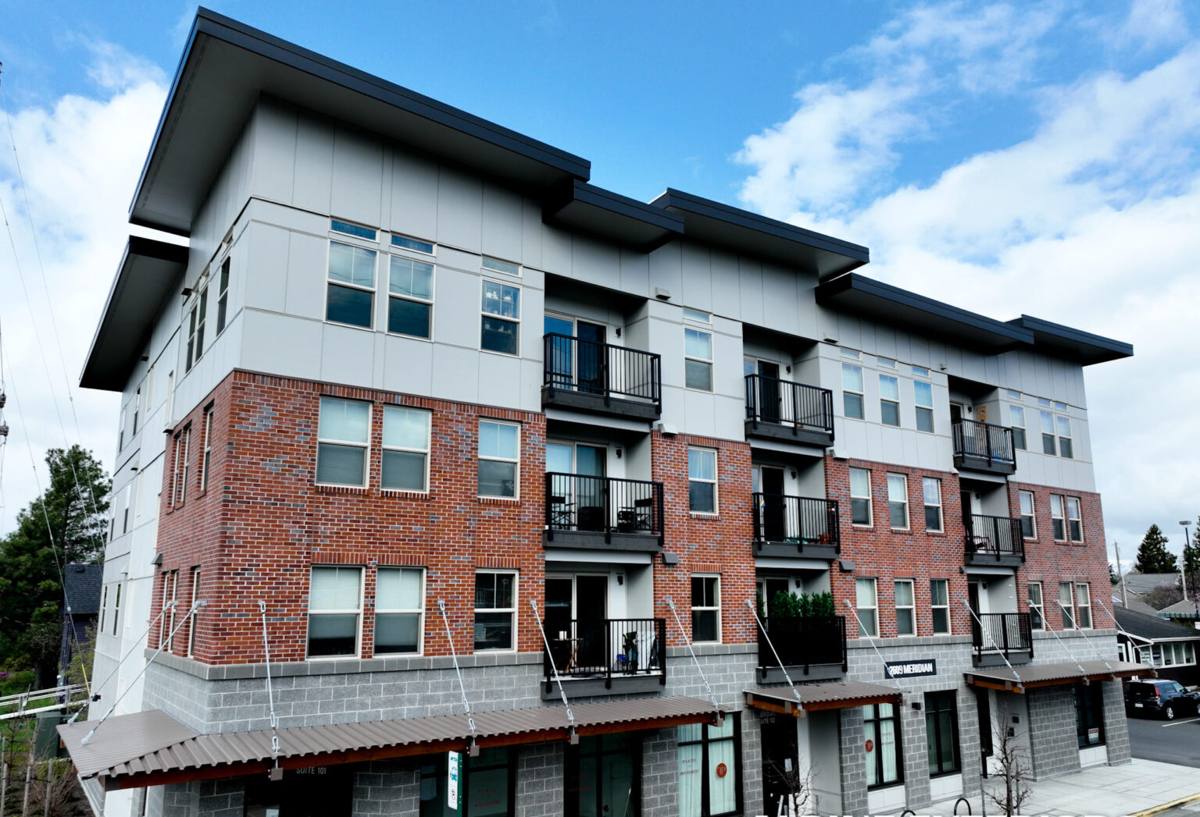
Why Board & Batten Is a Popular Choice for Silver Beach's Homes
The vertical lines of board and batten read as clean and classic, and they pair well with the mix of traditional and modern homes found around Silver Beach and the surrounding Lake Whatcom and Bellingham-area neighborhoods. It's also a natural fit for accent walls, gables, and dormers where homeowners want a textural break from horizontal lap siding elsewhere on the house.
But the same vertical seams that give board and batten its look are also its main vulnerability in a wet climate. Every batten covers a joint between two panels, and every one of those joints is a potential path for wind-driven rain to get behind the siding if it isn't lapped, fastened, and flashed correctly. In a region with as much sustained rainfall as Whatcom County sees, that detail work matters more here than it would in a drier climate.
What Correct Board & Batten Installation Actually Involves
Layout and Panel Spacing
Battens need consistent spacing and enough width to fully cover the panel seam with margin on both sides, even as the material expands and contracts slightly with temperature and moisture swings. Panels also need a gap at the bottom for drainage and at trim boards to allow for movement — sealing every joint tight with caulk instead of designing in a drainage path is a shortcut that causes problems later, not a fix.
Water-Resistive Barrier and Flashing
Behind every board and batten installation should be a continuous water-resistive barrier, properly lapped shingle-style so water sheds outward and down rather than working its way behind the panels. Flashing at windows, doors, and any horizontal transition (like where a wall meets a roofline or deck) has to integrate with that barrier, not just sit on top of the siding. This is the part of the job that's invisible once it's finished, which is exactly why it's the part most likely to get shortchanged by a crew in a hurry.
Fastening Schedule
Board and batten needs to be fastened according to the manufacturer's specified pattern and fastener type — not "however many nails looked right." Under-fastening lets panels flutter and pull loose in wind; over-fastening or fastening too close to an edge can crack fiber cement panels or cause them to bind and crack as they naturally expand and contract.
Fastener Material
In an area with salt air moving through the atmosphere, fastener corrosion resistance isn't optional. Hot-dip galvanized or stainless fasteners rated for the siding material and coastal exposure prevent the rust streaking and eventual fastener failure that plain steel fasteners develop over time.
James Hardie Vertical Siding vs. Other Board & Batten Materials
We install James Hardie fiber cement exclusively, including their vertical board and batten profiles, and we don't install LP SmartSide, vinyl, Cemplank, Allura, primed spruce, or cedar. That's a deliberate standard, not an oversight, and it's worth explaining plainly rather than just asserting it.
| Material | Behavior in Salt Air & Sustained Rain | Moss/Algae Resistance | Long-Term Maintenance |
|---|---|---|---|
| James Hardie fiber cement | Non-combustible, engineered for moisture exposure, holds paint/finish well | ColorPlus factory finish resists staining better than field-applied paint | Low; occasional wash, repaint only when the homeowner chooses |
| Cedar (real wood) | Attractive but absorbs moisture; needs consistent sealing/staining | Prone to moss and mildew without regular treatment | High; recurring refinishing to prevent rot |
| Primed spruce | Softwood substrate is moisture-sensitive; primer is a base coat, not a full seal | Vulnerable if paint film fails at seams or cuts | High; repainting on a shorter cycle |
| Vinyl | Won't rot, but can warp/distort with temperature swings and impact damage | Can trap moisture behind panels if installed loose | Low upfront, limited repair options if damaged |
| LP SmartSide / other engineered wood | Treated wood strand product; edge and cut-end sealing is critical in wet climates | Manufacturer specifies strict edge-sealing to prevent moisture uptake | Moderate; installation sensitivity is higher than fiber cement |
Each of these products has legitimate uses and manufacturers who stand behind them. Our reasoning is specific: fiber cement doesn't rely on a paint film or edge-sealing step to keep moisture out of the substrate the way wood-based products do, and it doesn't have the thermal expansion behavior that causes long vinyl runs to distort. James Hardie's ColorPlus finish is baked on at the factory and warrantied against fading and cracking, which matters in a climate where a home's siding is wet or damp more months than not. For a house exposed to Whatcom County's combination of salt air, driving rain, and moss season for the next 30-plus years, we've found fiber cement holds up with the least maintenance burden and the fewest installation-sensitivity failure points.
Our Installation Process for Silver Beach Homes
- On-site assessment: We look at existing siding condition, sheathing and framing underneath where accessible, drainage around the foundation, and any areas showing past moisture damage.
- Tear-off and substrate check: Old siding comes off and we inspect the sheathing for rot or soft spots before anything new goes on — covering a compromised substrate just hides the problem.
- Water-resistive barrier and flashing installation: This is the step that determines whether the siding performs for decades or fails in five years, and we don't rush it.
- James Hardie panel and batten installation: Installed to Hardie's fastening and clearance specifications, sized and spaced for the specific elevations and exposure of the home.
- Trim, caulking, and final detailing: Sealant is used where it belongs — at true penetration points — not as a substitute for proper flashing.
- Walkthrough: We go over the finished work with the homeowner and flag anything they should watch for going forward.
Ongoing Care: A Homeowner's Maintenance Checklist
Fiber cement board and batten is low-maintenance compared to wood, but "low-maintenance" isn't "no-maintenance," especially in this climate. A short annual routine keeps it performing as designed:
- Rinse siding annually (garden hose pressure, not a pressure washer) to clear salt residue, pollen, and organic buildup before it can feed moss or algae
- Check caulked joints at trim and penetrations each fall for cracking or separation before the wet season sets in
- Keep gutters clear so overflow doesn't run down and pool against siding or foundation trim
- Trim back vegetation and tree canopy that keeps a wall shaded and damp longer than the rest of the house
- Watch north- and west-facing walls for early moss growth — these tend to dry slowest in Whatcom County's weather pattern
- Address any fastener rust streaking early; it's a sign of the wrong fastener material or a coating breach, not something to paint over
Why Hiring a Crew That Already Works Silver Beach Matters
Board and batten failures in this region tend to trace back to details that only show up once you've installed siding on enough local homes to see the pattern repeat: which elevations take the worst wind-driven rain, how moss establishes itself on shaded walls, and how quickly salt air can start corroding the wrong fastener choice. A crew that works Whatcom County regularly has already seen those failure points on other houses and builds around them by default, rather than learning the lesson on your home. Local experience also means realistic scheduling around the region's wet season and a working knowledge of the permitting and inspection expectations for exterior work in the area.
Cost Factors to Expect
We don't publish blanket per-square-foot pricing because board and batten costs shift with real variables on each house. In general, expect the estimate to move based on:
| Factor | How It Affects Cost |
|---|---|
| Tear-off and substrate repair | Rotted sheathing or old siding removal adds labor and material beyond a straightforward re-side |
| Wall height and accessibility | Multi-story walls, steep grades, or limited access increase labor time and equipment needs |
| Amount of trim and detail work | Gables, dormers, and window/door surrounds require more precise cutting and flashing |
| Panel size and batten spacing chosen | Custom spacing or larger panel formats can affect material yield and labor |
| Color and finish selection | Factory-finished ColorPlus options versus field-painting affect both cost and long-term maintenance |
The only way to get numbers that mean anything for your specific house is a walk-through, which is what we'd recommend as the next step.
If you're weighing board and batten siding for a home in Silver Beach, we're happy to take a look and put together a free, no-pressure estimate based on your house's actual exposure and condition — just fill out the form below.