 Whatcom County
Windows Built for Columbia's Coastal Climate
The Columbia neighborhood sits close enough to the water that homes here take a different kind of weathering than houses further inland in Whatcom County. Salt air works into window hardware and seals over time. Driving rain off Bellingham Bay hits west- and south-facing glass hard during fall and winter storms. And the long, wet moss season that defines our part of Washington doesn't just grow on roofs — it collects in window tracks, sills, and any wood trim that isn't sealed and draining the way it should. Energy-efficient windows done right in Columbia have to solve for all three at once, not just for heat loss.
A lot of "energy-efficient" window sales pitches focus entirely on the glass — the U-factor, the low-E coating, the gas fill. That's part of it, but in a marine climate like ours, the frame, the flashing, and the installation detailing matter just as much. A window with excellent glass specs installed with poor flashing will leak, fog, and rot before its rated lifespan is up. We've seen it happen on homes not far from Columbia, and it's almost always an installation problem, not a product problem.
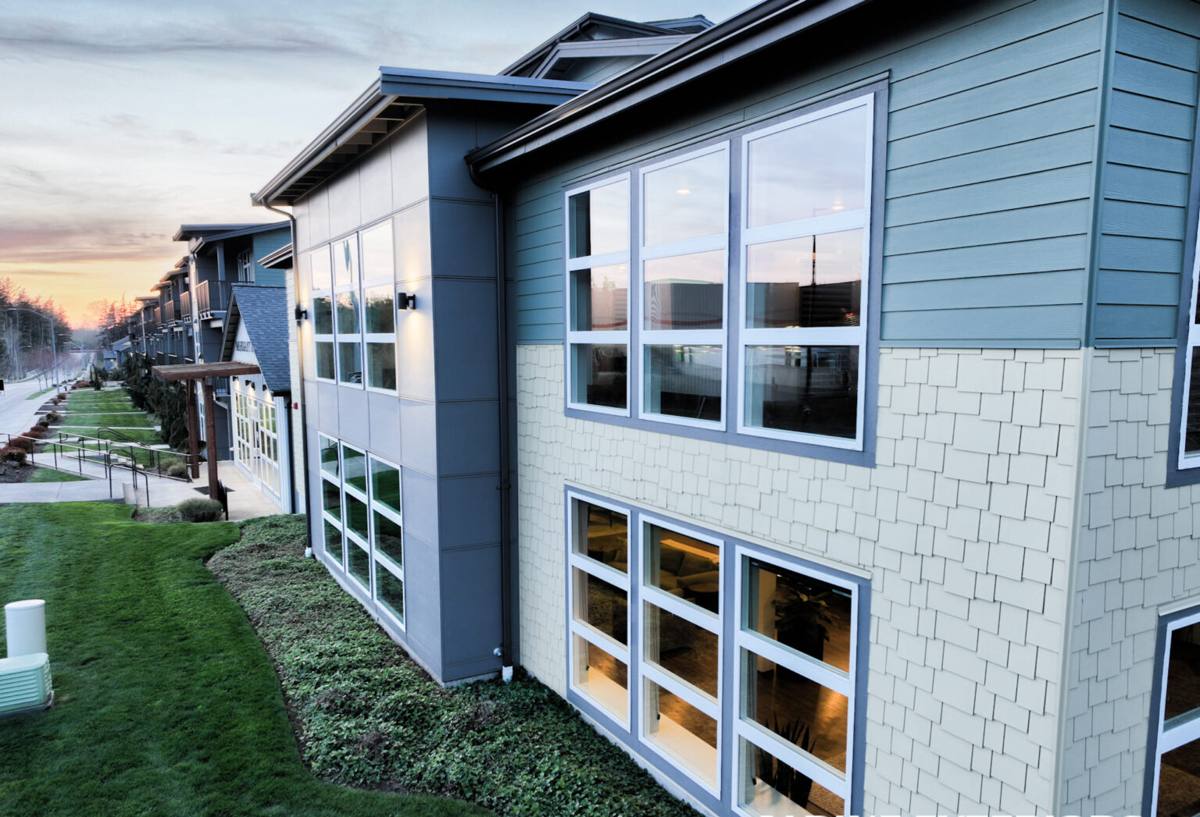
What Whatcom County Homes Actually Lose Heat Through
Most homes in this area were built across several different decades, and Columbia is no exception — you'll find a mix of older single-pane wood windows, aluminum-frame units from the 70s and 80s, and a scattering of earlier vinyl replacements that are now themselves reaching the end of their service life. Each of these loses energy differently:
- Single-pane wood windows: minimal insulating value, and by now the wood sashes have usually swollen, shrunk, or warped enough that they don't seal tightly even when closed.
- Older aluminum frames: aluminum conducts heat and cold directly through the frame itself, which is why these windows often feel cold to the touch and collect condensation on the inside edge during our wetter months.
- First-generation vinyl replacements: a big step up from single-pane, but early vinyl seals and gas fills degrade over 20-plus years, and in a lot of cases the original installation wasn't flashed to modern standards.
In each case, the fix isn't just "better glass" — it's a window and frame system matched to how the house is built, installed with flashing and sealing details suited to a climate that gets a genuine amount of driving, wind-blown rain.
What a Correct Installation Involves Here
Flashing and Water Management
This is the step that separates a window that lasts 20-plus years from one that causes hidden rot behind the siding within five. Every opening gets properly flashed — sill pan, side flashing, and head flashing sequenced so water is always directed outward and down, never trapped against the sheathing. In a neighborhood exposed to driving rain off the bay, this detail matters more than the brand of window going in.
Air Sealing
Gaps around the frame are sealed with appropriate low-expansion foam or backer rod and sealant — not just caulked over on the visible trim. A window can have an excellent U-factor rating and still leak air and heat around a poorly sealed rough opening.
Frame Material Matched to the House
Vinyl, fiberglass, and clad-wood frames each behave differently in a wet, salt-influenced climate. We'll talk through the trade-offs honestly — vinyl is low-maintenance and cost-effective; fiberglass holds up well to temperature swings and moisture with less expansion/contraction; clad-wood offers a traditional look but needs more attention to detail at the cladding seams to keep moisture from getting behind it long-term. We don't push one product as a universal answer — the right call depends on the home's exposure and your maintenance preferences.
Glass Package
Double-pane with a low-E coating and an argon fill is the practical baseline for this climate — it cuts heat loss and reduces condensation risk on cold, wet Whatcom County mornings. Triple-pane is worth discussing for north-facing rooms or homes closer to the water where wind-driven cold is more pronounced, though it adds weight and cost that isn't always justified on every elevation.
Our Process for a Columbia Window Project
- On-site assessment: we look at each window opening individually — sun exposure, current flashing condition, signs of past leaks or wood rot, and how the existing siding meets the frame.
- Honest scope and options: full-frame replacement versus insert (pocket) replacement depends on the condition of the existing frame and sill, not on what's easiest to sell. We'll tell you which one your house actually needs.
- Product selection: we walk through frame material, glass package, and grille/style options based on your home's exposure and your budget — no pressure toward the most expensive option.
- Installation: proper flashing sequence, air sealing, and shimming so the window operates smoothly and sheds water correctly for the life of the unit.
- Final check: operation, seal, and exterior trim/caulking review before we consider the job done.
Insert vs. Full-Frame Replacement
This is one of the most common decisions on older Columbia homes, and it's worth understanding before you get quotes.
| Factor | Insert Replacement | Full-Frame Replacement |
|---|---|---|
| Best when | Existing frame and sill are solid, no rot or water damage | Frame, sill, or sheathing shows rot, past leaks, or you're changing window size |
| Disruption | Lower — exterior trim and siding largely stay in place | Higher — siding and trim around the opening are removed and reinstalled |
| Flashing access | Limited — relies on the existing flashing still being sound | Full — flashing is redone from scratch, which matters most in high-rain exposures |
| Relative cost | Lower | Higher |
| Long-term fit for coastal exposure | Good, if the frame is genuinely sound | Better where moisture history is uncertain |
We won't recommend a full-frame job when an insert will do the job properly, and we won't recommend an insert over a frame that's already showing signs of moisture damage — that just hides the problem behind new glass.
Moss, Mildew, and Window Maintenance in a Wet Climate
Whatcom County's moss season is long, and it doesn't stop at the roofline. Window tracks, sills, and the bottom edge of exterior trim collect organic debris that holds moisture against the frame if it's never cleared out. A few habits go a long way between professional check-ins:
- Clear debris and moss buildup from sills and tracks each fall before the heaviest rains set in.
- Check that weep holes on vinyl and fiberglass frames are clear so water can drain out instead of pooling.
- Watch for soft or discolored trim around the window edges — that's usually the first visible sign of a flashing or sealant failure.
- Wipe down interior sills after heavy condensation events, especially on north-facing rooms during cold snaps.
- Have caulking and exterior sealant around window trim inspected every couple of years — it's a cheap fix when caught early, a costly one when it isn't.
Why Hiring a Crew That Knows Columbia and Whatcom County Matters
Window installation standards that work fine in a drier climate don't always hold up here. A crew unfamiliar with the amount of wind-driven rain this area gets, or with how moss and moisture behave against exterior trim through a Pacific Northwest winter, can install a technically correct window that still fails prematurely because the flashing wasn't sequenced for our conditions. We work in Whatcom County homes regularly, including in and around Columbia, and we install to the standard this climate actually demands — not the minimum standard that happens to pass in a drier region.
We also stand behind the installation itself, not just the manufacturer's product warranty. If water management details are wrong, no glass package will save you from a problem down the line — so we treat that part of the job as non-negotiable.
What This Typically Involves, Cost-Wise
Costs vary based on window size, frame material, glass package, and whether the job is an insert or full-frame replacement, so we won't quote a number without seeing the home. In general, expect insert replacements to run less than full-frame jobs on the same opening, and expect fiberglass and higher-end glass packages to cost more upfront than standard vinyl double-pane units. The right comparison isn't just sticker price — it's installed cost versus expected service life in a climate that's hard on window seals and frames.
If you're weighing window replacement for a home in Columbia or elsewhere in Whatcom County, we're happy to take a look and give you a straight, no-pressure estimate — just fill out the form below.