 Whatcom County
Roof Repair in Cordata: What a North Bellingham Roof Actually Deals With
Cordata sits in north Bellingham, one of the newer residential pockets in Whatcom County, with a mix of relatively young homes alongside a growing number of older properties as the neighborhood has filled in over the years. Being inland from the immediate waterfront doesn't mean a Cordata roof gets an easy ride — wind off the Salish Sea still carries salt-laden air well into Bellingham on a regular basis, rain here still comes in sideways during a real storm, and the moss season that defines roof maintenance across Whatcom County doesn't stop at any neighborhood boundary. The roof problems we see in Cordata often look a little different from what we find on a property sitting right on the water, but the underlying causes are the same regional pattern: persistent moisture, salt exposure carried on the wind, and long stretches of mild, damp weather that never really let a roof dry out and reset.
We're based in Lynden and work throughout Whatcom County, and Cordata is regular territory for our crew. That matters for roof repair specifically, because a roof problem here often isn't obvious from the ground, and it isn't always the kind of thing a general handyman or a crew that only occasionally works this far north knows to check first. We treat roof repair the same way we treat every exterior trade we handle — siding, roofing, windows, decks — as one connected system, because water that gets past a roof detail rarely stays confined to the roof itself.
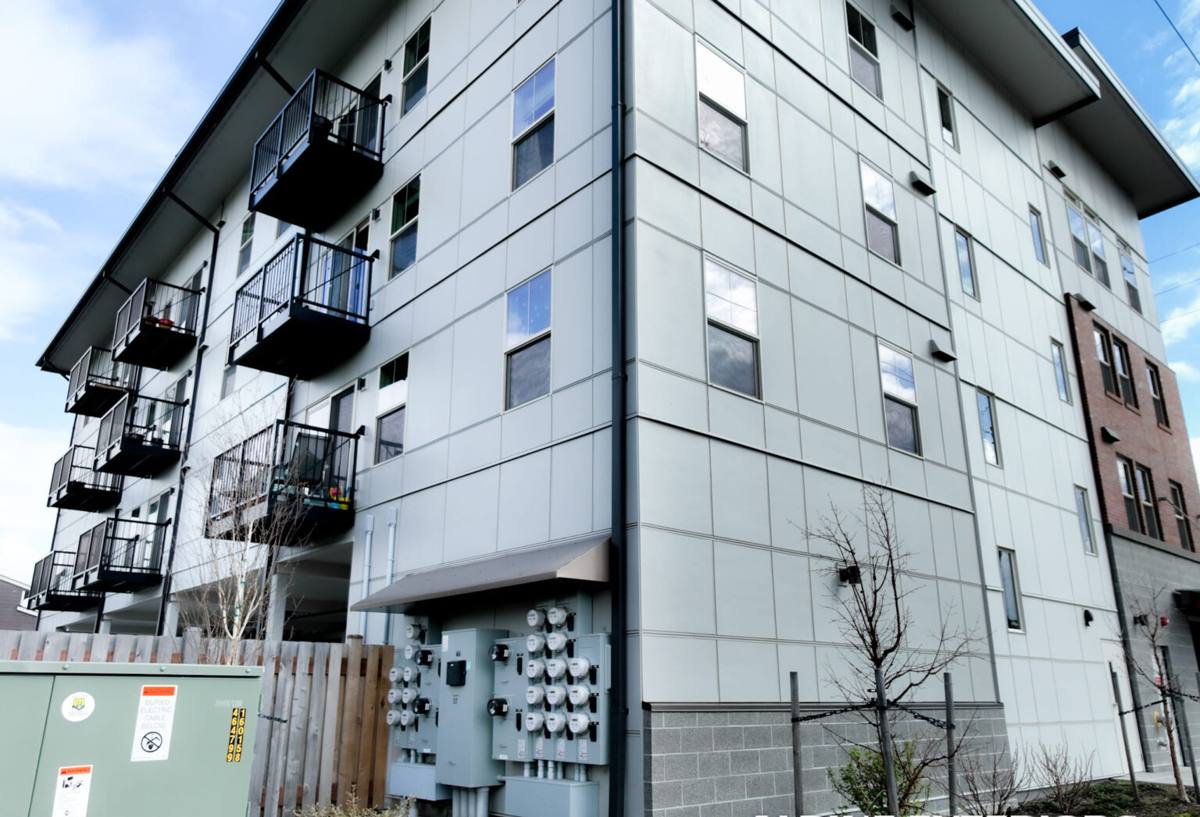
Why Cordata Roofs Wear the Way They Do
Salt Air Doesn't Stop at the Waterfront
Bellingham Bay is close enough that wind regularly pushes salt-laden air inland across the city, including into Cordata. It's a less concentrated exposure than a property sitting directly on the water, but it's steady, and it accelerates corrosion on roof metal over time — flashing, fasteners, valley metal, vent caps. A fastener that loses its protective coating can back out or lose its grip years earlier than it would in a genuinely dry inland climate, and corroded flashing is one of the more common hidden causes of a leak that seems to appear out of nowhere.
Driving Rain and Roof Details
Whatcom County storms don't always drop rain straight down. Wind-driven rain works its way under shingle edges, up under flashing laps, and into seams that aren't sealed the way they should be. A roof detail that sheds water fine in a calm drizzle can still leak during a wind-driven storm if it wasn't installed with that sideways pressure in mind — which is exactly why we treat flashing and edge details as high-priority items on a Cordata repair, even when the shingle field itself still looks serviceable.
A Long, Damp Moss Season
Mild temperatures and near-constant moisture give moss a long season across Whatcom County, and Cordata's mix of mature landscaping and newer plantings both provide shade that keeps roof sections from drying out between rains. Moss isn't just a cosmetic problem — it holds moisture directly against the shingle surface, lifts shingle edges as it grows, and contributes to granule loss over time. Left alone long enough, it shortens a roof's usable life.
Newer Construction Doesn't Mean Maintenance-Free
Because parts of Cordata have developed more recently than some older Whatcom County neighborhoods, we sometimes hear an assumption that a newer roof doesn't need the same attention. Age helps, but it doesn't cancel out climate. A roof installed a decade ago is still exposed to the same wind, moisture, and moss pressure as an older one, and a builder-grade original installation isn't always detailed for long-term coastal exposure the way a repair or reroof done by a crew that specifically works this region would be.
Signs a Cordata Roof Needs Repair
Most calls we get start with something specific a homeowner noticed, not a scheduled inspection. Worth paying attention to:
- A water stain on an interior ceiling or in the attic, even a small one
- Missing, cracked, curling, or lifted shingles, especially after a windy storm
- Visible moss buildup, particularly on north-facing or shaded roof slopes
- Granules collecting in gutters or piling up at downspout outlets
- Rust streaking below metal flashing, vents, or valleys
- Daylight visible through the roof deck from inside the attic
- Soft or spongy spots when walking the roof, or sagging visible from the ground
- A leak that only shows up during wind-driven rain, not during calm weather
Any one of these can point to a straightforward, contained repair. Left alone through another wet Whatcom County winter, though, small issues tend to compound into deck damage or interior water damage that costs significantly more to put right than catching it early would have.
What a Correct Roof Repair Actually Involves
Finding the Real Source, Not Just the Symptom
Water travels before it shows up as a stain. A ceiling stain in one room can trace back to a flashing failure several feet away, and chasing the visible symptom instead of the actual entry point is one of the most common reasons a repair fails to hold. A proper repair starts with tracing the path — checking flashing, valleys, penetrations, and shingle courses uphill from where the damage appeared — before any material comes off the roof.
Matching Materials and Fastening Correctly
Shingle repairs need to tie into the surrounding courses correctly, with fasteners placed and sealed the way the original installation should have been, not just patched over the top. In a wind-exposed area like Cordata, fastener placement and adhesive sealing strips matter more than they would somewhere fully sheltered, because a patch that isn't properly integrated is exactly the kind of detail that fails again in the next windstorm.
Flashing and Valley Work
Because so much of the water intrusion we see traces back to flashing rather than the shingle field itself, we treat flashing repair as its own category of work, not an afterthought to shingle repair. That includes step flashing at wall intersections, valley metal, and flashing around chimneys, skylights, and vent penetrations — all common weak points, and all more exposed to salt-influenced corrosion in this region than most homeowners realize.
Moss Treatment and Prevention
Where moss has already taken hold, removing it correctly matters as much as removing it at all — aggressive scraping can lift or damage shingle granules and do more harm than the moss itself. We remove it carefully and address the conditions that let it establish in the first place, since a roof section that stays wet longer than it should grow moss back on the same schedule.
Cost Factors: What Actually Drives the Price of a Roof Repair
| Factor | Keeps Cost Lower | Pushes Cost Higher |
|---|---|---|
| Damage location | Single, accessible area | Multiple slopes or hard-to-reach sections |
| Underlying deck condition | Solid, no rot found | Soft or rotted decking requiring replacement |
| Flashing involvement | Shingles only, flashing intact | Flashing or valley metal also needs replacing |
| Material match | Common, still-available shingle type | Discontinued or specialty material to match |
| Roof pitch and access | Standard, walkable pitch | Steep pitch requiring extra safety setup |
We give a firm, written price after we've actually been on the roof and confirmed what's involved, not a phone-quote guess. The honest answer is that most contained Cordata repairs land in a moderate range, while anything involving deck replacement or extensive flashing work costs more — and we'll tell you plainly which category your roof falls into before we recommend anything.
Repair vs. Replacement: How We Think About the Line
| Factor | Leans Toward Repair | Leans Toward Replacement |
|---|---|---|
| Roof age | Well within expected lifespan for the material | At or past expected lifespan for its material |
| Extent of damage | Localized to one area or detail | Widespread across multiple slopes |
| Deck condition | Solid, no soft spots found | Soft, rotted, or spongy decking discovered |
| Granule loss | Minor, isolated | Heavy and spread across most of the roof |
| History of leaks | First occurrence, clear single cause | Repeated leaks in different spots over time |
We'll tell you honestly which side of that line your roof falls on. A repair that's genuinely sufficient is the right answer far more often than a full replacement, and we're not going to recommend tearing off a roof that has years of life left in it just because replacement is a bigger job.
How Our Process Works
- A hands-on inspection of the roof, attic (where accessible), and any interior areas showing signs of a leak
- Tracing the actual water path back to its source, not just patching the visible symptom
- A written, plain-language explanation of what we found and what repair options make sense
- An honest repair-versus-replacement recommendation based on the roof's real condition, not a sales script
- Repair work done with materials and fastening appropriate for Cordata's wind and moisture exposure
- A final walk-through so you know exactly what was done and what to keep an eye on going forward
Why a Crew That Already Works Cordata Matters
A roofer who rarely makes it out to this part of Whatcom County, or who treats a Cordata repair the same way they'd treat one somewhere fully sheltered inland, doesn't carry the same working sense of how wind, salt-carried air, and moss behave here. That knowledge shows up in real decisions — which hardware grade is worth specifying given the exposure, how much extra attention a valley or wall flashing gets, whether a patch of moss is treated as cosmetic or as the moisture risk it actually is. Those decisions determine whether a repair holds for one storm season or for many, and it also means someone is genuinely reachable later if a question comes up after the job is done.
A Simple Checklist Before Hiring for Roof Repair in Cordata
- Confirm current Washington contractor licensing and active liability insurance
- Ask how they identify the actual leak source before starting repair work, not just where the stain showed up inside
- Get a written scope of the specific repair, not a vague verbal estimate over the phone
- Ask what warranty applies to the workmanship versus any material warranty from the shingle manufacturer
- Ask whether flashing and valleys will be checked as part of the repair, not just the shingles themselves
- Ask how they handle moss removal specifically, since scraping done carelessly can damage a roof further
If your Cordata roof has a leak, storm damage, or moss buildup you'd rather deal with now than after another wet season, we're glad to take a look and give you a straightforward, no-pressure assessment. Reach out using the form below to schedule a free estimate.