 Whatcom County
 Building a Deck That Holds Up in Columbia's Marine Climate
Columbia sits close enough to the water and to Whatcom County's damp lowland weather pattern that a deck here lives a harder life than the same deck would inland. Salt-laden air off the bay corrodes fasteners and hardware faster than most homeowners expect, driving rain gets pushed sideways under railings and against ledger boards, and a long moss season means anything horizontal that doesn't shed water and dry out quickly will stay green and slick for months at a time. A deck built to a generic national spec will survive here. A deck built for this specific climate will actually look and perform well ten winters in.
We frame that distinction as the whole point of a custom deck project in this area: it's not about fancier railings or a more elaborate layout, it's about the dozen small decisions in the substructure and hardware that decide whether the deck is still solid and safe in 2036 or needs a rebuild in 2029.
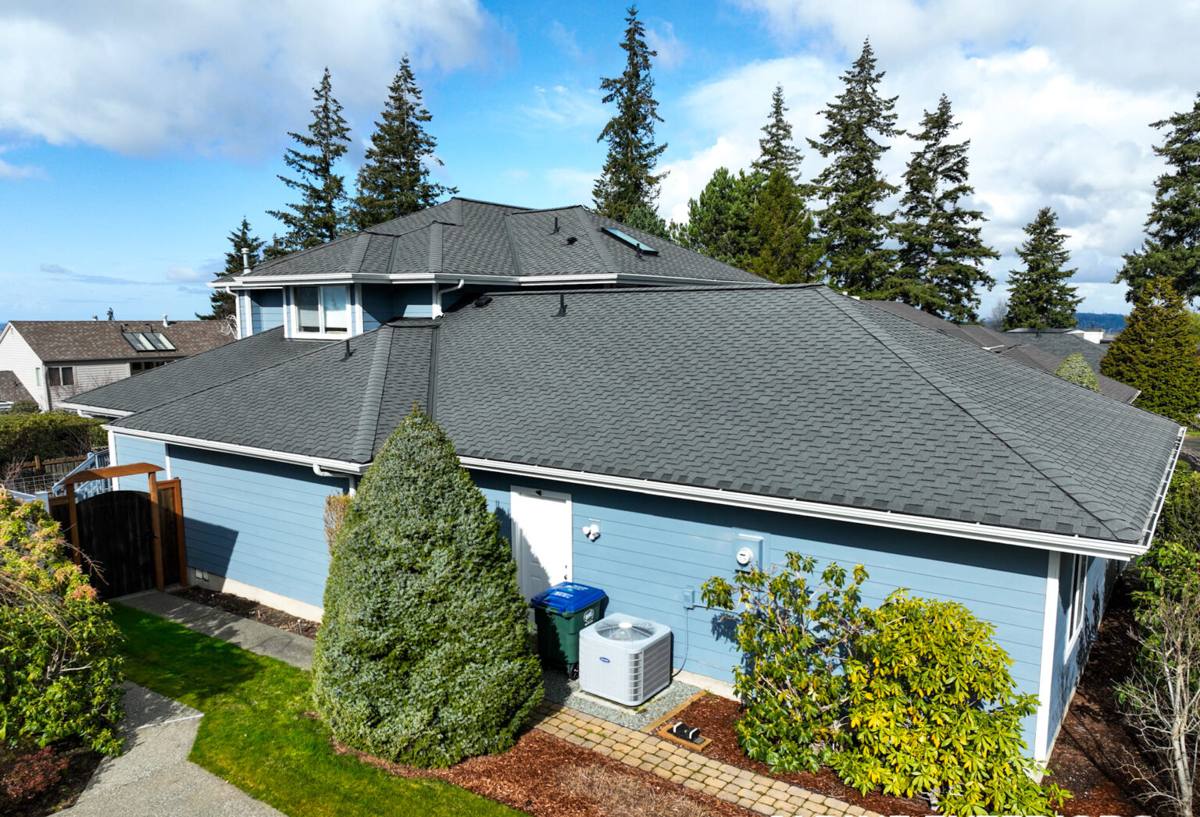
What Whatcom County's Climate Actually Does to a Deck
Salt Air and Corrosion
Proximity to saltwater accelerates corrosion on anything less than fully rated hardware. Standard electro-galvanized screws, joist hangers, and structural bolts can start showing rust streaks within a couple of seasons in a coastal-influenced yard. That's not a cosmetic issue — corroded fasteners lose holding strength exactly where a deck needs it most, at the ledger connection and the post bases.
Driving Rain
Wind-driven rain in this part of Washington doesn't fall straight down. It gets pushed under rail caps, behind fascia boards, and into any gap where two pieces of material meet without proper flashing. Over time that moisture finds the one fastener or seam that wasn't sealed correctly and starts rot from the inside, often invisible until a board is soft underfoot.
Moss and Prolonged Dampness
Whatcom County's wet season stretches long enough that decking surfaces without adequate airflow underneath, or with tight board spacing, stay damp for weeks. That's exactly the environment moss needs. Beyond being slippery, moss retains moisture against the decking surface itself, which shortens the life of wood and can trap water against composite boards where debris collects.
What a Correctly Built Deck Looks Like Here
A deck built for Columbia's conditions starts below the decking boards, not above them. The visible surface matters for looks and feel underfoot, but the framing, flashing, and hardware choices are what determine whether the deck is still sound in a decade.
- Ledger board flashed properly against the house with a drip edge that directs water away from the wall, not a caulk-only seal that will eventually fail
- Structural hardware rated for coastal or high-corrosion environments — stainless steel or heavy hot-dip galvanized, not standard-grade fasteners
- Joist spacing and blocking sized for the actual decking material and span, not the minimum code allows
- Post bases set above grade and away from standing water, with proper footing depth for our frost and soil conditions
- Board spacing and surface selection that allows real airflow and drainage underneath, reducing moss buildup and slip risk
- Railing posts through-bolted to framing, not just lag-screwed into rim joists
Decking Material Choices for This Area
There's no single right answer here — the right material depends on budget, how much upkeep the homeowner wants to do, and how exposed the deck is to sun, salt air, and standing moisture. Here's how the common options actually compare for a Columbia-area build.
| Material | Moisture & Moss Behavior | Maintenance | Typical Lifespan Here |
|---|---|---|---|
| Pressure-treated wood | Absorbs water, needs sealing to shed it; moss grows readily if not maintained | Annual cleaning, re-stain/seal every 2-3 years | 15-20 years with upkeep |
| Cedar | Naturally moisture- and insect-resistant, but still needs sealing against constant coastal damp | Cleaning plus periodic oil/sealant | 15-25 years with upkeep |
| Composite decking | Doesn't rot, but surface can stay damp longer in shaded, low-airflow spots — spacing and ventilation matter more, not less | Periodic washing, no staining/sealing | 25-30+ years |
| PVC decking | Fully moisture-proof surface; least hospitable to moss when kept clean | Occasional washing | 25-30+ years |
We don't push one material on every job. Composite and PVC cost more up front but remove the annual sealing cycle that a lot of homeowners fall behind on — and a wood deck that misses a couple of sealing cycles in this climate ages faster than one on the dry side of the state. Cedar and pressure-treated wood are honest, lower-cost choices for homeowners who don't mind the maintenance rhythm and like the natural look.
Framing and Fasteners: Where Corners Get Cut
Most deck failures we get called out to fix aren't decking-surface problems — they're framing and hardware problems that were hidden under the boards from day one. Undersized ledger flashing, standard-grade screws used because they were cheaper or on hand, and joist hangers installed without the correct nails are the three most common shortcuts we see in this region. None of them show up as a problem for a year or two. All of them show up eventually, usually as a soft spot near the house connection or a railing post that's started to wobble.
Our standard for any custom deck build in Columbia is to spec hardware and flashing for the coastal-influenced conditions actually present here, not for a generic inland build. It costs a bit more in materials. It's a fraction of the cost of redoing a ledger connection after rot sets in behind the siding.
Our Process for a Columbia Deck Project
1. On-Site Assessment
We walk the site, look at grade and drainage around where the deck will sit, check the house wall where the ledger will attach, and talk through how the space will actually be used — entertaining, grilling, a hot tub, quiet morning coffee. Load and use case change the framing spec.
2. Design and Material Selection
We lay out the deck footprint, railing style, and stair placement, and walk through material trade-offs honestly, including what each option means for upkeep over the years you'll own the house.
3. Permitting
Most custom deck builds in Whatcom County require a permit, particularly for anything attached to the house or elevated more than a couple feet. We handle that process rather than leaving it to the homeowner to sort out.
4. Build
Footings, framing, flashing, and hardware first — the part that won't be visible once the decking goes down but matters most. Decking, railing, and finish work follow once the structure is inspected and sound.
5. Final Walkthrough
We walk the finished deck with the homeowner, cover any care or maintenance specifics for the material chosen, and make sure everything's tight before we call it done.
Why a Local Crew Matters for This Job
A deck built by a crew that doesn't regularly work in Whatcom County's coastal-influenced climate is more likely to default to generic specs — standard hardware, standard flashing details, whatever the lumber yard has in stock. That's not necessarily bad workmanship, it's just workmanship calibrated for a different environment. A crew that works Columbia and the surrounding area regularly has already seen which fastener grades hold up, which flashing details actually stop wind-driven rain, and which board spacing keeps moss from taking over a shaded deck. That local repetition is worth more than any brochure.
It also means someone who already knows the area's permitting expectations and can spot a problem area during the initial site visit rather than after the framing is already up.
Cost Factors for a Custom Deck Build
| Factor | Why It Moves the Price |
|---|---|
| Deck size and footprint shape | More square footage and complex angles mean more framing, cutting, and labor |
| Decking material | Composite and PVC cost more per board than wood, offset by lower long-term maintenance |
| Height and stairs | Elevated decks need more substantial framing, railings, and often more complex footings |
| Site access and grading | Sloped or hard-to-access lots add labor for footings and material staging |
| Railing style | Cable, glass, and custom railing systems cost more than standard baluster rail |
| Hardware grade | Coastal-rated fasteners and connectors cost more than standard grade but protect the structural investment |
Exact numbers depend on the specifics of the site and the choices above — we'll walk through real figures once we've seen the space, rather than quoting a price sight unseen.
A Practical Checklist Before You Build
- Confirm whether your project needs a permit — most attached or elevated decks in the county do
- Decide how much annual maintenance you're realistically willing to do before choosing wood vs. composite/PVC
- Ask any contractor what hardware grade they spec for coastal-influenced conditions, not just what's "up to code"
- Check how the deck's drainage and board spacing will handle our wet season, not just how it looks on a sunny day
- Get the ledger flashing detail explained to you directly — it's the single most common source of hidden rot
- Ask about post footing depth and placement relative to grade and drainage on your specific lot
Get a Straight Answer on Your Deck Project
If you're weighing a new deck or replacing an aging one in Columbia, we're glad to come take a look, talk through what your site and budget actually call for, and give you an honest read on materials and structure — no pressure, no upsell script. Use the form below to request a free estimate.