 Whatcom County
 Window Replacement Built for Birchwood's Climate
Birchwood homes sit close enough to the water and low enough in elevation that windows here take a different kind of beating than windows further inland. Salt-laden air off the bay works into aluminum frames and hardware over time. Driving rain, pushed sideways by wind off the water, tests every seal and sill. And Whatcom County's long, damp moss season keeps humidity high against north- and west-facing walls for months at a stretch. None of this is dramatic on any given day, but it adds up. A window that would last two decades in a dry inland climate can start failing in twelve or fifteen years here if it wasn't installed with this environment in mind.
That's the difference between a generic window replacement and one done specifically for a Birchwood home: the materials, flashing details, and sealing choices all have to account for near-constant moisture exposure and salt air, not just temperature swings.
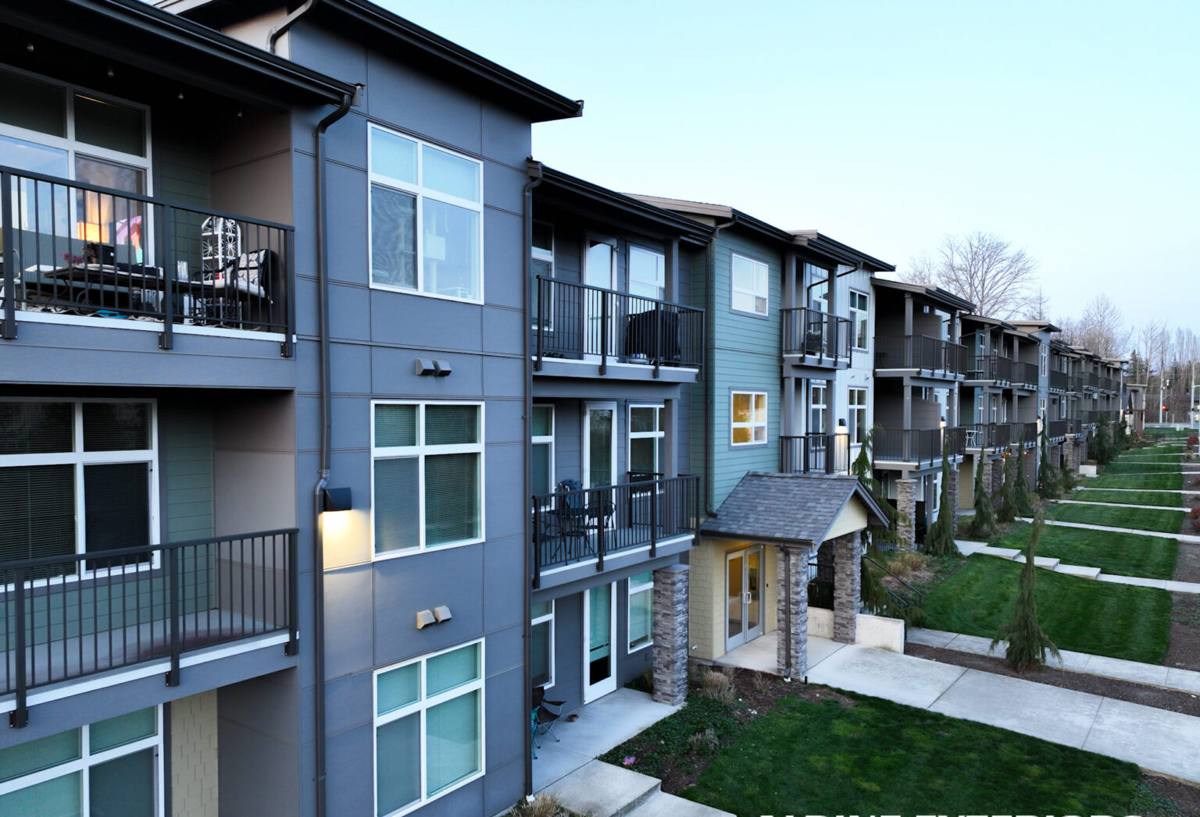
Signs Your Windows Are Overdue for Replacement
Most homeowners don't replace windows because they woke up one day and decided to. They replace them because the windows started causing problems. In this climate, watch for:
- Fogging or a milky haze between panes — the seal on the insulated glass unit has failed and moisture has gotten inside
- Soft, spongy, or discolored wood at the sill or frame corners, often a sign of moisture intrusion behind the trim
- Visible corrosion or pitting on aluminum frames or hardware, especially on windows facing the water or prevailing wind
- Drafts you can feel with your hand near the frame on a windy, rainy day
- Windows that are difficult to open, close, or lock — frames can swell and warp with repeated wetting and drying
- Green or black staining on the exterior sill or siding just below the window, which usually points to water running somewhere it shouldn't
Any one of these on its own might just mean a repair. Several of them together, especially on the same wall, usually mean the window and its surrounding flashing need to come out and be redone properly.
What a Correct Window Replacement Involves
Swapping the visible window unit is the easy part. What actually determines whether the new window lasts is what happens in the rough opening before the new unit ever goes in.
Flashing and Weatherproofing
Water that gets behind a window doesn't usually announce itself right away — it shows up years later as rot, mold, or a stained ceiling below the sill. A correct install uses properly lapped flashing tape and building paper or house wrap integration so that any water that reaches the opening is directed back out, not trapped behind the siding. In a climate with this much driving rain, sill pan flashing under the window — a small dam that catches and redirects incidental water — is not optional; it's the single detail most likely to prevent a callback five years down the road.
Sealant and Sill Detail
Caulk and sealant have a working life, and in a marine climate with salt air, cheap or poorly applied sealant breaks down faster than it does inland. We use exterior-grade sealants rated for this kind of exposure and pay particular attention to the sill, where standing water is most likely to sit after a storm.
Frame Material Choice
Not every frame material behaves the same way in salt air and constant humidity. This is one of the most consequential decisions in a Birchwood window replacement, and it's worth understanding the trade-offs rather than just picking whatever's cheapest or most familiar.
| Frame Material | How It Handles Salt Air & Moisture | Maintenance | Typical Lifespan |
|---|---|---|---|
| Vinyl | Doesn't corrode; performs well in coastal air; can become brittle with age in cold snaps | Low — occasional cleaning | 20–30 years |
| Fiberglass | Very stable in moisture and temperature swings; strong resistance to salt exposure | Low | 30+ years |
| Aluminum (uncoated or older) | Prone to corrosion and pitting near salt air over time; conducts cold, which can worsen condensation | Moderate to high | Varies widely; often the first to show wear |
| Wood, unclad | Handsome but absorbs moisture readily; needs consistent upkeep near water | High — regular painting/sealing | Depends heavily on maintenance |
| Wood with aluminum/fiberglass cladding | Combines wood's interior look with a weather-resistant exterior shell | Moderate | 25–35 years with good install |
We generally steer Birchwood homeowners away from bare, unclad aluminum for anything facing the water or prevailing weather — not because it's a bad product everywhere, but because it's a poor match for this specific exposure, and it's the frame type we see failing earliest in this area. Vinyl and fiberglass tend to be the most forgiving, low-maintenance choices for this climate; clad-wood units are a good fit for homeowners who want a specific interior wood look and are willing to keep up with occasional maintenance.
Glass Packages Worth Considering Here
Insulated glass units (double- or triple-pane, often with a low-E coating and argon fill) are standard on any quality replacement window today. In Whatcom County's climate, the bigger practical benefit of a good glass package isn't just energy savings — it's condensation control. Homes near the water with high interior humidity and cool glass surfaces are prone to condensation on single-pane or older double-pane glass, which over time contributes to the same sill and frame rot problems described above. A well-sealed, properly gas-filled unit keeps the interior glass surface warmer and cuts down on that condensation significantly.
Our Window Replacement Process
- On-site assessment: We look at each window opening individually — sun exposure, wind exposure, existing damage, and how water has historically moved around that wall.
- Material and style selection: We walk through frame material, glass package, and style options based on your home's exposure and your budget, not a one-size-fits-all recommendation.
- Removal and opening inspection: Old windows come out carefully so we can inspect the rough opening, sill, and surrounding framing for hidden moisture damage before anything new goes in.
- Repair as needed: Any soft framing, rotted sheathing, or compromised flashing found during removal gets addressed before installation — installing a new window over old damage just hides the problem.
- Flashing and sill pan installation: Proper weatherproofing layers go in first, lapped correctly with the existing water-resistive barrier.
- Window installation and shimming: The new unit is set plumb, level, and square, then fastened and insulated per manufacturer specification.
- Exterior and interior finish work: Trim, sealant, and touch-up are completed to match the surrounding siding and interior finish.
- Final walkthrough: We test operation, check seals, and walk the job with you before calling it done.
Cost Factors for Birchwood Window Replacement
Every home is different, and the only way to get a real number is a site visit, but these are the main factors that move the price up or down on a typical project:
| Factor | Why It Matters |
|---|---|
| Window size and quantity | Larger openings and full-home projects have different labor and material costs than a single small window |
| Frame material | Vinyl is typically the most budget-friendly; fiberglass and clad-wood cost more upfront but often last longer |
| Extent of hidden damage | Rotted framing or sheathing discovered during removal adds repair time before the new window can go in |
| Access and site conditions | Second-story windows, tight side yards, or limited equipment access can add labor time |
| Glass package | Upgraded low-E coatings, gas fills, or triple-pane glass add cost but improve comfort and condensation resistance |
| Full-frame vs. insert replacement | Insert replacements (new sash into existing frame) are typically less expensive than full-frame replacement, but aren't right for every opening, especially ones with existing rot |
As a very rough general guide, homeowners in this region often see per-window installed costs ranging from a few hundred dollars for a straightforward insert replacement up to well over a thousand for larger, full-frame installations with upgraded materials. Treat that as a starting point for planning, not a quote — the only way to know your actual number is a walk-through of your specific windows.
Why Local Experience in Birchwood Matters
A crew that already works in this part of Whatcom County has seen how specific wall orientations and lot conditions in this area actually perform over a few wet seasons, not just on paper. That means knowing which frame materials tend to disappoint near the water, what flashing details actually hold up through a real winter of driving rain, and how to sequence a job around this region's weather rather than fighting it. It also means having a working relationship with the local permitting process, since window replacement in Whatcom County can require a permit depending on the scope of work and whether structural framing is altered — something worth confirming before work starts rather than after.
Local experience also shows up in smaller ways: knowing which sealants and finishes actually hold their color and flexibility through a Pacific Northwest moss season, and building in the kind of drainage and flashing margin that a one-time crew from out of the area might not think to prioritize.
What to Check Before You Hire
Whether you go with us or anyone else, these are worth confirming before any window replacement work starts on your home:
- Ask specifically how they handle sill pan flashing and moisture barrier integration — not just "we'll seal it up"
- Confirm whether a permit is required for your scope of work and who is responsible for pulling it
- Ask what happens if hidden rot or damage is found once old windows are removed, and how that's priced
- Get frame material and glass package specified in writing, not just "vinyl windows"
- Ask about warranty coverage on both the product and the labor/installation separately
- Check that the crew doing the physical install has direct experience with this region's moisture conditions, not just general carpentry experience
Caring for New Windows in This Climate
Once new windows are in, a little seasonal attention keeps them performing for the long haul. Rinse salt residue and grime off exterior frames periodically, especially after storms. Keep an eye on exterior caulk lines each fall before the wet season sets in, and address any cracking early rather than letting water find its way behind the trim. Keep gutters and downspouts clear so water isn't sheeting down over window heads during heavy rain. None of this is intensive maintenance, but it's the kind of small, regular attention that lets a well-installed window actually reach its full lifespan in a marine climate like this one.
If you're weighing whether it's time to replace windows on a Birchwood home, we're happy to take a look and give you an honest read on what you're working with — no pressure, no obligation. Fill out the form below for a free estimate.