 Whatcom County
Storm Damage Roofing in Fairhaven: A Different Kind of Wear
Fairhaven sits right up against Bellingham Bay, and that location shapes everything about how a roof ages here. Homes a few miles inland in other parts of Whatcom County deal with rain and wind too, but a roof on or near the waterfront takes on salt-laden air, stronger gusts funneling off the water, and a moss season that runs longer than almost anywhere else in the county. None of that means Fairhaven roofs fail faster — it means they fail differently, and a repair that doesn't account for those differences tends to come back.
We work storm damage calls in this neighborhood regularly, not as a one-off service area on a map. That matters more than it sounds like it should, and we'll get into why later in this page. First, it's worth understanding what actually causes storm damage here and what a correct repair looks like once it happens.
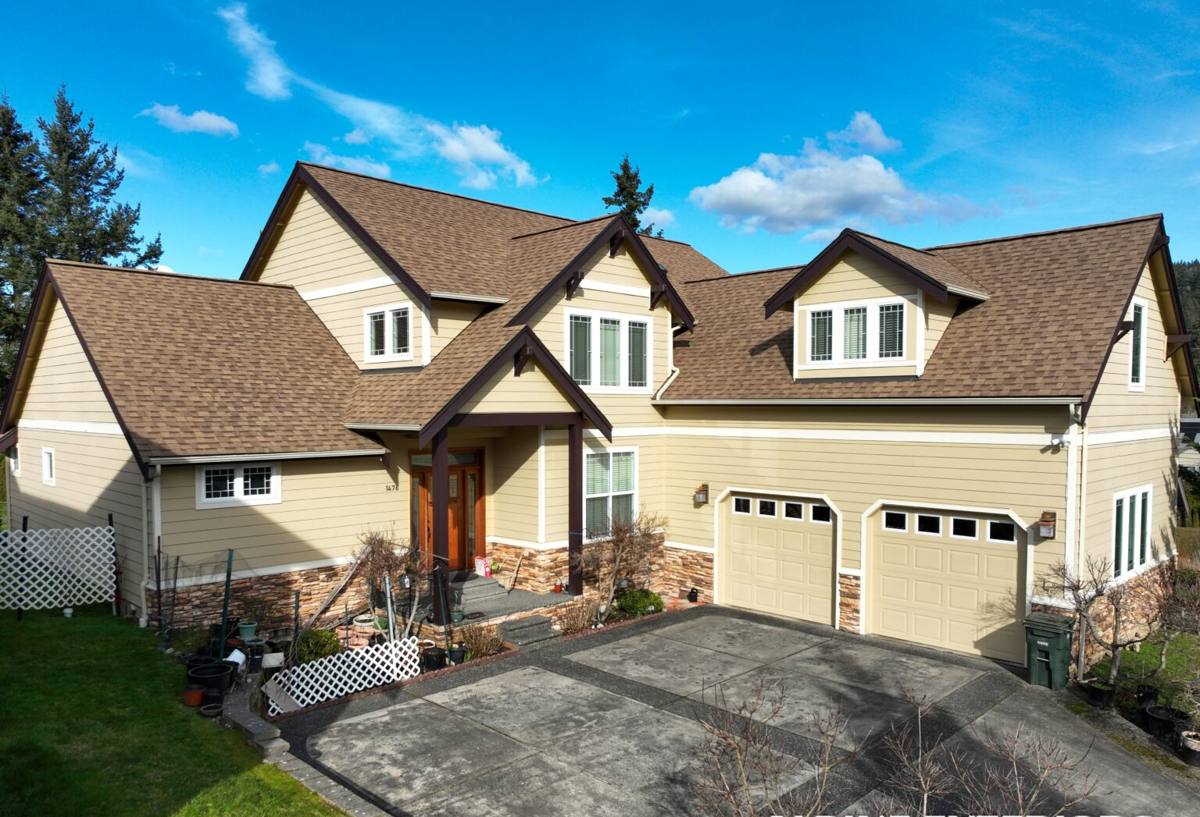
What Actually Damages Fairhaven Roofs
Wind Off the Water
Bellingham Bay doesn't just add moisture to the air — it removes any windbreak that a more inland lot would have. Gusts that would be shrugged off a few blocks east can catch a shingle edge or a ridge cap that's already a little loose and peel it back. Once one shingle lifts, the ones around it are exposed to wind-driven rain, and the damage spreads from a single spot into a patch.
Driving Rain
Whatcom County gets plenty of straight-down rain, but storms coming off the Strait of Georgia and the Salish Sea tend to arrive at an angle. That kind of rain doesn't just test your shingles — it tests your flashing, your underlayment laps, and every penetration point (vents, chimneys, skylights) where water can find a sideways path in. A lot of "roof leaks" that show up during a storm aren't new damage at all; they're pre-existing weak points that only reveal themselves when rain is hitting the roof horizontally instead of vertically.
Salt Air and Corrosion
Metal components age faster near saltwater. Flashing, fasteners, gutter hardware, and any exposed metal roofing accessories are more prone to corrosion in Fairhaven than they would be on the same house set back from the bay. Corroded fasteners lose their grip strength, which is part of why wind uplift damage tends to show up here at wind speeds that wouldn't bother a roof with fully sound hardware.
Moss and Organic Growth
Whatcom County's wet season is long, and Fairhaven's proximity to the water and tree cover in parts of the neighborhood keep roofs damp for extended stretches. Moss doesn't cause storm damage directly, but it sets the stage for it — moss holds moisture against the roofing material, works its way under shingle tabs, and lifts edges just enough that the next windstorm has something to grab onto.
What a Correct Storm Damage Repair Actually Involves
A rushed storm repair and a correct one can look similar from the ground. The difference shows up in what happens underneath the visible surface, and it's worth knowing what to expect from a job done right.
Assessment Before Anything Else
Storm damage is rarely limited to what's obviously missing or torn. A proper assessment checks the full roof plane, not just the area a homeowner spotted from the yard — adjacent shingles for lifted tabs, flashing around penetrations for gaps, the decking underneath for soft spots if water has been getting in for a while, and gutters for debris or damage that's redirecting water somewhere it shouldn't go.
Temporary Protection When It's Needed
If a storm has left a section open to the weather, the first job is stopping active water intrusion — tarping or temporary sealing — before the permanent repair. This isn't cosmetic; a house that sits open to rain for even a few days can pick up interior damage that costs far more to fix than the roof itself.
Matching Materials, Not Just Patching
A repair that uses mismatched shingles, the wrong underlayment weight, or generic flashing instead of matching the roof's existing system creates a weak point that's different from — but no better than — the original damage. Correct repair work matches the existing material as closely as possible and ties new flashing and underlayment into the existing system properly, with full laps and sealed transitions, not just caulk over a gap.
Fasteners and Attachment
Given how much wind uplift plays into Fairhaven storm damage, the fasteners used in a repair matter as much as the shingles themselves. Corrosion-resistant fasteners, set at the correct pattern and depth, are the difference between a repair that holds through the next windstorm and one that becomes next season's callback.
Our Process for a Fairhaven Storm Repair Call
- Initial contact and triage: we ask what happened and when, whether there's active leaking, and whether temporary protection is needed right away.
- On-site inspection: a full look at the damaged area and the surrounding roof plane, plus attic or interior access where relevant to check for water intrusion.
- Documentation: photos and a written scope of the damage, which also supports an insurance claim if you're filing one.
- Repair plan and honest scope: we tell you plainly whether this is a targeted repair or whether the damage points to a bigger issue worth addressing now rather than later.
- The repair itself: matched materials, proper flashing and underlayment tie-in, correct fastening for wind exposure.
- Final check: confirming the repair is watertight and that nothing nearby was missed.
Repair or Replace: How We Actually Decide
Not every storm-damaged roof needs a full replacement, and not every roof that "just needs a patch" should get one. The honest answer depends on a few concrete factors, not a sales pitch either direction.
| Factor | Leans Toward Repair | Leans Toward Replacement |
|---|---|---|
| Age of roof | Under 10-12 years, or well-maintained | Near or past expected service life |
| Extent of damage | Isolated to one area or a few shingles | Spread across multiple sections or planes |
| Decking condition | Solid, no soft spots | Soft, delaminated, or water-stained decking found underneath |
| Prior repair history | First real issue on an otherwise sound roof | Pattern of recurring leaks or repairs in different spots |
| Moss/organic buildup | Light, surface-level | Heavy growth that's compromised shingle integrity broadly |
We'll walk you through where your specific roof falls on these factors rather than defaulting to whichever option is more profitable for us. A targeted, well-executed repair on a roof that has years of life left is the right call more often than not.
Storm Damage and Insurance Claims
Many storm damage repairs in Whatcom County are covered under homeowners insurance, particularly when the damage traces to a specific wind or rain event rather than gradual wear. We can't promise what any individual policy will or won't cover — that's between you and your insurer — but we can provide clear documentation and photos of the damage that support your claim, and we're glad to walk an adjuster through what we found if that's helpful. What we won't do is inflate a scope of work to chase a bigger payout; the repair estimate reflects what the roof actually needs.
What Drives the Cost of a Storm Repair
| Cost Factor | Why It Matters |
|---|---|
| Size of the damaged area | A few shingles is a different job than a full section of roof plane |
| Roof access and pitch | Steeper roofs and tight or obstructed access take more time and equipment |
| Underlying decking damage | Rotted or soft decking has to be replaced before new roofing goes on |
| Flashing and penetrations involved | Chimneys, skylights, and vent boots add complexity beyond flat shingle area |
| Material match | Matching an older or discontinued shingle can take more sourcing time |
Broadly, small isolated storm repairs tend to run in the low hundreds to low thousands of dollars, while damage involving decking replacement, multiple flashing points, or a larger area climbs from there. We'll give you a firm number after inspection, not a phone-quote guess.
Why a Fairhaven-Familiar Crew Matters
A roofer who occasionally drives out to Fairhaven for a job is working from general knowledge. A crew that works the neighborhood regularly already knows how a waterfront exposure affects material choice, how the historic character of parts of the neighborhood factors into visible repair work, and what permitting or access considerations tend to come up on these lots. That familiarity shows up in small but real ways — knowing which flashing details hold up against wind off the bay, or recognizing moss damage patterns before they turn into a leak, rather than learning it on your roof for the first time.
It also matters for response time after a storm. When a windstorm moves through Whatcom County, every roofing crew in the county gets busy at once. A company that already has routes and relationships in Fairhaven can prioritize and get to you faster than one working from an unfamiliar area for the first time.
Reducing Future Storm Damage: A Homeowner Checklist
You can't storm-proof a roof, but you can reduce how much damage the next storm does. A few things worth checking on a regular basis, especially given Fairhaven's exposure:
- Trim back tree branches that overhang the roof — they're both a physical impact risk in wind and a source of moisture and debris that feeds moss growth
- Clear gutters and downspouts before the wet season ramps up, so storm rain has somewhere to go
- Have loose or curling shingle tabs re-secured before they become wind-catch points
- Address moss growth early rather than letting it establish under shingle edges
- Check flashing around chimneys, skylights, and vents for gaps or corrosion, particularly given the salt air here
- After any significant windstorm, do a visual check from the ground for obviously missing or displaced material
None of this replaces a professional inspection, but it catches the kind of small issues that turn into storm damage claims if left alone through a wet Whatcom County winter.
Get a Free, No-Pressure Estimate
If your Fairhaven roof has taken storm damage — or you want an honest look at how it's holding up before the next windstorm rolls in off the bay — we're glad to come take a look. There's no obligation and no pressure to sign anything on the spot. Fill out the form below and we'll set up a time to inspect your roof and give you a clear, honest assessment of what it actually needs.