 Whatcom County
 Siding That Has to Work in the Nooksack Valley, Not Just Look Good
Lynden sits in the Nooksack River valley, surrounded by farmland, drainage ditches, and a marine-influenced climate that keeps the air damp for most of the year. Homes here deal with a different set of pressures than a house across the mountains: long stretches of steady, driving rain instead of short downpours, heavy morning fog off the fields, and moss and algae that get a real foothold on any surface that stays wet too long. Add in the salt-tinged air that rolls inland from Bellingham Bay and the Strait of Georgia on a west wind, and you have a climate that is genuinely hard on exterior materials — even ones that look fine from the street.
We install James Hardie fiber cement siding exclusively, and Lynden is one of the areas where that decision matters most. This page covers what a Lynden home actually needs from its siding, what a correct Hardie installation looks like in this climate, and why using a crew that already works this part of Whatcom County is worth something on its own.
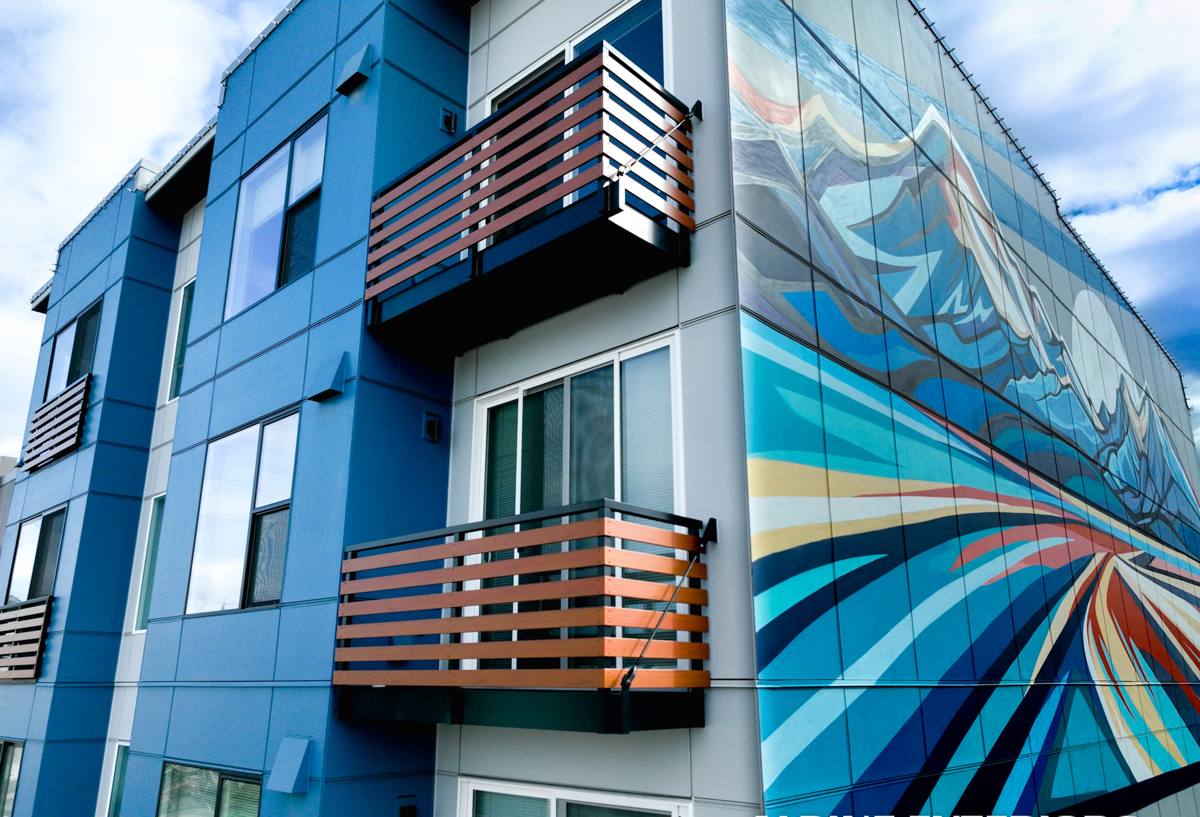
What Whatcom County's Climate Actually Does to Siding
Moisture That Doesn't Let Up
The Pacific Northwest's reputation for rain is earned, but it's the pattern that matters more than the totals. Whatcom County gets long, low-intensity rain events that soak siding, trim, and house wrap for days at a time rather than a quick storm that passes through. Materials that absorb water, swell, or need frequent repainting to stay sealed are working against the climate every single season, not just in a bad year.
The Moss and Algae Problem
A long moss season is one of the defining features of siding maintenance in this area. Shaded walls, north-facing elevations, and anything near overhanging trees or gutters that don't drain well will grow moss and green algae if the surface holds moisture and organic debris. This isn't cosmetic laziness on the homeowner's part — it's a direct function of how much of the year this region spends damp and mild.
Salt Air and Wind-Driven Rain
Lynden is inland, but Whatcom County as a whole sits close enough to Bellingham Bay and the Strait that salt-laden marine air reaches well past the coastline, especially on stronger westerly systems. Combined with wind-driven rain that pushes water sideways into wall assemblies, siding and its flashing details need to shed water actively rather than just resist it passively.
Why James Hardie Fits This Climate
We don't install vinyl, LP SmartSide, cedar, primed spruce, Cemplank, or Allura. That's not a marketing position — it's a standard we hold because of what we've seen these products do in exactly this kind of climate over time. Vinyl can warp and doesn't hold paint well if a homeowner wants a color change. Wood-based and primed wood products are more vulnerable to the swelling, rot, and moss-friendly surface texture that a wet, mild climate produces. Fiber cement, by contrast, is dimensionally stable when wet or dry, doesn't feed mold and mildew the way wood-based products can, and holds a factory finish far longer than field-applied paint.
James Hardie's HZ5 product line is engineered specifically for climates like this one — freeze-thaw cycles, high moisture exposure, and long wet seasons. The ColorPlus factory finish is baked on under controlled conditions, which matters a lot in an area where field-painted trim and siding rarely get the dry stretch they need to cure properly before the next rain moves in.
What Correct Installation Looks Like Here
- Rainscreen or proper drainage gap behind the siding so bulk water and incidental moisture can escape rather than sit against the wall
- Factory-primed or ColorPlus cut edges fully sealed — exposed raw fiber cement edges are a common failure point in wet climates
- Correct fastener spacing and type per Hardie's published installation instructions, not generic contractor habits
- Flashing at every window, door, and horizontal trim intersection, lapped correctly so water sheds outward and down
- Proper clearance from grade, decks, and roof lines so splash-back and ponding water don't sit against the bottom course
- Caulking limited to where Hardie's instructions actually call for it — over-caulking traps moisture instead of keeping it out
Any one of these done wrong won't necessarily show up in year one. It shows up in year five or eight, as trapped moisture, panel edge swelling, or premature paint failure — the same problems homeowners are usually trying to get away from in the first place.
How We Approach a Lynden Job
Assessment
We start by looking at the whole wall assembly, not just the visible siding. That means checking what's underneath — house wrap or building paper condition, sheathing, existing flashing — and noting which elevations get the most sun, shade, and wind exposure. In a farmland setting like Lynden, we also look at how close mature trees and irrigation or drainage patterns are to the house, since both affect how long walls stay damp.
Tear-Off and Prep
Old siding comes off cleanly, and we inspect sheathing for rot or soft spots before anything new goes up — this is the point where hidden moisture damage from years of an underperforming product usually surfaces. Any compromised sheathing gets addressed before siding, not covered over.
Installation to Hardie Spec
We install to the manufacturer's published instructions for the HZ5 zone, including drainage plane, fastening schedule, and flashing details, because that's what keeps the transferable warranty intact and what actually performs in this climate.
Final Walkthrough
We walk the finished job with the homeowner, checking sightlines, trim, and caulk joints, and go over basic care so the siding holds its finish and resists moss for years rather than months.
Why a Crew That Already Works Whatcom County Matters
Siding installation instructions don't change by zip code, but judgment calls do. Knowing which elevations in this valley take the worst wind-driven rain, how much drainage clearance a Lynden lot actually needs given local drainage and water table conditions, and how aggressively moss will come back on a shaded wall are things a crew learns by working here repeatedly — not from a manual. A crew that's done this work across Whatcom County has already made the mistakes and adjustments elsewhere; a Lynden homeowner shouldn't have to pay for that learning curve on their own house.
There's also a practical side: local crews know realistic scheduling around this region's wet stretches, understand permitting expectations in the area, and can be reached quickly if a warranty question or a follow-up item comes up after the job is done.
Cost Factors for a Lynden Hardie Project
Every house is different, but the factors that move a Hardie siding estimate up or down are consistent. This is meant to help you understand what you're paying for, not to give a firm quote — that only comes after we've actually looked at your house.
| Factor | Why It Affects Cost |
|---|---|
| Amount of sheathing repair needed | Rot or moisture damage found during tear-off has to be fixed before new siding goes on |
| Home size and wall complexity | More corners, gables, and trim details mean more labor and cut edges to seal |
| Siding profile and plank width | Lap width, panel vs. plank, and shingle-style Hardie products carry different material and labor costs |
| Color and finish choice | Standard ColorPlus colors vs. custom field-painted finishes affect both cost and long-term maintenance |
| Drainage plane condition | Adding or upgrading a rainscreen gap behind the siding adds labor but pays off in this climate |
| Access and site conditions | Tree cover, fencing, and lot layout affect how quickly a crew can work around the house |
Maintaining Hardie Siding in a Long Moss Season
Even the right product benefits from basic upkeep in this climate. A yearly rinse-down of shaded and north-facing walls, keeping gutters clear so water isn't sheeting down the siding face, and trimming back vegetation that keeps walls shaded and damp will all extend the life of the factory finish and keep moss from getting established. None of this is heavy maintenance — it's the kind of thing that takes an afternoon and saves a repaint down the road.
If you're planning a siding project in Lynden or anywhere else in Whatcom County, we're happy to take a look at your home and walk you through what it actually needs. Reach out for a free, no-pressure estimate using the form below.