 Whatcom County
 Why Siding Repair Looks Different in Lynden Than Elsewhere
Lynden sits inside Whatcom County's marine-influenced climate, and that climate is not gentle on exterior siding. Homes here deal with three forces working at the same time: salt-laden air that moves through on winter storms, long stretches of driving, wind-pushed rain rather than simple straight-down showers, and a moss season that can run half the year on shaded walls. None of these forces is dramatic on its own. The damage shows up slowly, as a soft spot near a downspout, a paint line that keeps failing, a seam that never quite dries out between storms. Generic siding repair advice written for a drier inland market doesn't account for how these conditions compound over a Whatcom County winter, which is exactly why repair work here has to be diagnosed and done differently.
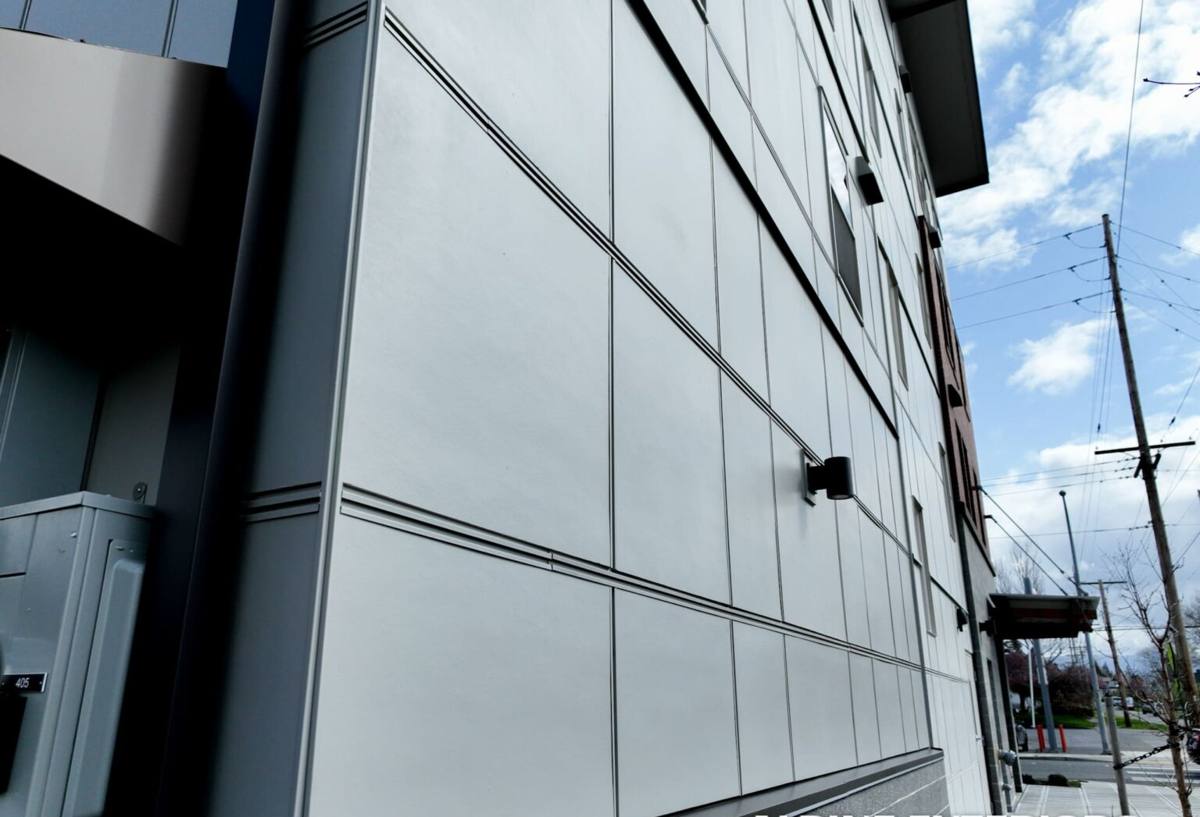
The Telltale Signs Your Siding Needs Attention
Most siding failures give warning signs long before a wall looks obviously damaged. Homeowners in Lynden should walk the exterior of the house a couple of times a year and check for the following:
- Soft or spongy spots when you press near the base of walls, especially below downspouts and under window sills
- Bubbling or peeling paint that returns within a year or two of repainting
- Dark green or black growth that comes back within weeks of cleaning
- Boards that have visibly cupped, bowed, or pulled away from the wall surface
- Cracked, shrunken, or missing caulk at seams, corners, and trim joints
- A musty smell in an interior room or closet that backs onto an exterior wall
- Popped nail heads or rust staining running down from fasteners
Any one of these on its own might be minor. Two or three showing up in the same section of wall usually means water has already gotten past the surface and is working on whatever is underneath.
What's Really Behind Whatcom County Siding Damage
Moss and Trapped Moisture
Moss doesn't just sit on top of siding — it holds moisture against the surface long after the rest of the house has dried. On shaded, north- and west-facing walls, which are common on tree-lined lots around Lynden, moss can stay damp for days. Left alone, it works into seams and behind loose boards, and that constant dampness is what feeds rot in any wood-based siding component, whether it's the siding itself or the trim around it.
Driving Rain and Wind-Driven Water
A lot of the rain that hits Whatcom County in the fall and winter doesn't fall straight down — it comes in sideways on wind. Wind-driven rain finds gaps that vertical rain never would: a lapped seam that's a little short, a nail hole that wasn't sealed, caulk that's shrunk away from a corner board. Once water gets behind the siding plane, it doesn't evaporate quickly in this climate. Full drying can take days rather than hours, which gives rot and mold a real head start.
Salt Air and Slow Material Fatigue
Even homes some distance from open water pick up salt-bearing air during winter storms rolling through the region. Salt exposure speeds up corrosion in fasteners and metal trim, and it changes how fast paint film and caulk break down. It's a slow-motion problem — you won't see it happen, you'll just notice your paint and caulk aren't lasting as long as they should.
Repair or Replace? How We Help You Decide
Not every damaged section needs to come off the house. The right call depends on how much of the wall is affected, what's underneath it, and how the siding was built in the first place. We walk homeowners through the same factors every time:
| Factor | Favors Repair | Favors Replacement |
|---|---|---|
| Extent of damage | Isolated to one or two sections | Spread across multiple walls |
| Age of existing siding | Under 10-15 years, otherwise sound | Near or past its expected service life |
| Sheathing condition underneath | Dry, solid when probed | Soft, delaminated, or water-stained |
| Material match available | Close color/profile match possible | Discontinued product or heavy fading |
| Recurrence | First time this section has failed | Same spot has been patched before |
We'll tell you honestly when a repair makes sense and when it's just delaying a bigger job. If the sheathing behind the siding is already compromised, patching the visible layer without addressing what's underneath isn't a repair — it's a temporary cover-up.
What a Correct Siding Repair Actually Involves
Diagnosis Before Demo
A repair that's done right starts with more investigation than most homeowners expect. Before we remove anything, we probe beyond the visibly damaged boards to see how far moisture has traveled, check the condition of the house wrap or building paper, and look at flashing around windows, doors, and any penetrations nearby. Damage on the surface is often smaller than the damage hiding behind it, and a repair that only addresses what's visible tends to fail again in the same spot.
Matching Materials the Right Way
Patching in a piece of siding that doesn't match the existing profile, reveal, or color is a cosmetic problem that shows up immediately and gets worse as the original siding weathers differently than the patch. A correct repair accounts for how the replacement piece will age next to what's already on the wall, not just how it looks the day the crew leaves.
Our Process for Lynden Siding Repair Calls
- On-site inspection of the damaged area and a walk of the full exterior to check for related issues
- Moisture checks and probing around the affected section to find the real extent of the damage
- A written scope of work and estimate before anything is removed
- Careful removal of damaged material back to solid, dry substrate
- Repair of any water damage to sheathing, framing, or flashing found underneath
- Installation of properly matched, correctly fastened and sealed replacement material
- Site cleanup and a walkthrough so you know exactly what was found and fixed
Why the Material We Use for Repairs Matters
We install James Hardie fiber cement siding exclusively, and that standard carries into repair work too. When a repair calls for new material, we're not reaching for whatever's cheapest or fastest to source — we use James Hardie products because they hold up to the exact conditions causing the damage in the first place: moisture cycling, moss growth, and salt-influenced weathering. Fiber cement doesn't rot the way wood-based products can when moisture gets trapped behind it, and it doesn't carry the same long-term maintenance burden as vinyl, which can crack and fade under UV and temperature swings, or products like LP SmartSide, primed spruce, or cedar, which depend heavily on paint film and caulk staying intact to keep water out. That's not a knock on every homeowner's existing siding — plenty of houses in Lynden have other materials on them, and we'll repair what's there when a repair is the right call. But when the damage is extensive enough that replacement is the honest recommendation, we tell homeowners why we'd put Hardie on instead of matching the original material, and let them make that call with the full picture.
Why Local Experience in Lynden and Whatcom County Matters
A crew that already works in Lynden and across Whatcom County has seen how the local mix of housing stock — older farmhouses, mid-century ranch homes, and newer construction — holds up under this specific climate. That matters for repair work because the right fix depends on knowing which original installation habits tend to fail first in this area, how local tree cover and lot orientation affect moss buildup, and how deep water damage typically runs by the time it becomes visible from the outside. It also means a crew that isn't guessing at permitting requirements or driving hours to reach a callback if something needs a second look.
Keeping Repaired Siding Damage-Free Going Forward
A good repair buys you time, but a few habits stretch that time much further in a climate like ours:
- Rinse moss and algae growth off gently each spring and fall before it has time to establish
- Trim back trees and shrubs that shade siding and keep it from drying out between rains
- Recaulk gaps at trim, corners, and penetrations every few years rather than waiting for a failure
- Clean gutters and downspouts before the rainy season so water isn't dumping against the wall
- Keep an eye on any spot that's failed before — repeat failures usually point to an unresolved cause
If you're noticing soft spots, recurring stains, or paint that won't hold on your Lynden home, we're happy to take a look and give you a straight answer on what it needs. Request a free, no-pressure estimate using the form below.