 Whatcom County
Siding That Has to Work in Nooksack, Not Just Look Good
Nooksack sits in the Nooksack River valley, close enough to the foothills and the Canadian border that homes here deal with a long, wet season every single year. Rain doesn't just fall here — it sits. Fog rolls through low ground in the mornings, moisture lingers in shaded areas under trees and eaves, and the growing season for moss and algae runs nearly year-round. Add in wind-driven rain during fall and winter storms, and the siding on a Nooksack home is doing real structural work, not just cosmetic work.
That's the lens we use when we talk about siding here: not "what looks nice," but "what actually holds up to this valley." James Hardie fiber cement is the product we install on every siding job, in Nooksack and across Whatcom County, and this page explains why that decision matters specifically for homes in this area.
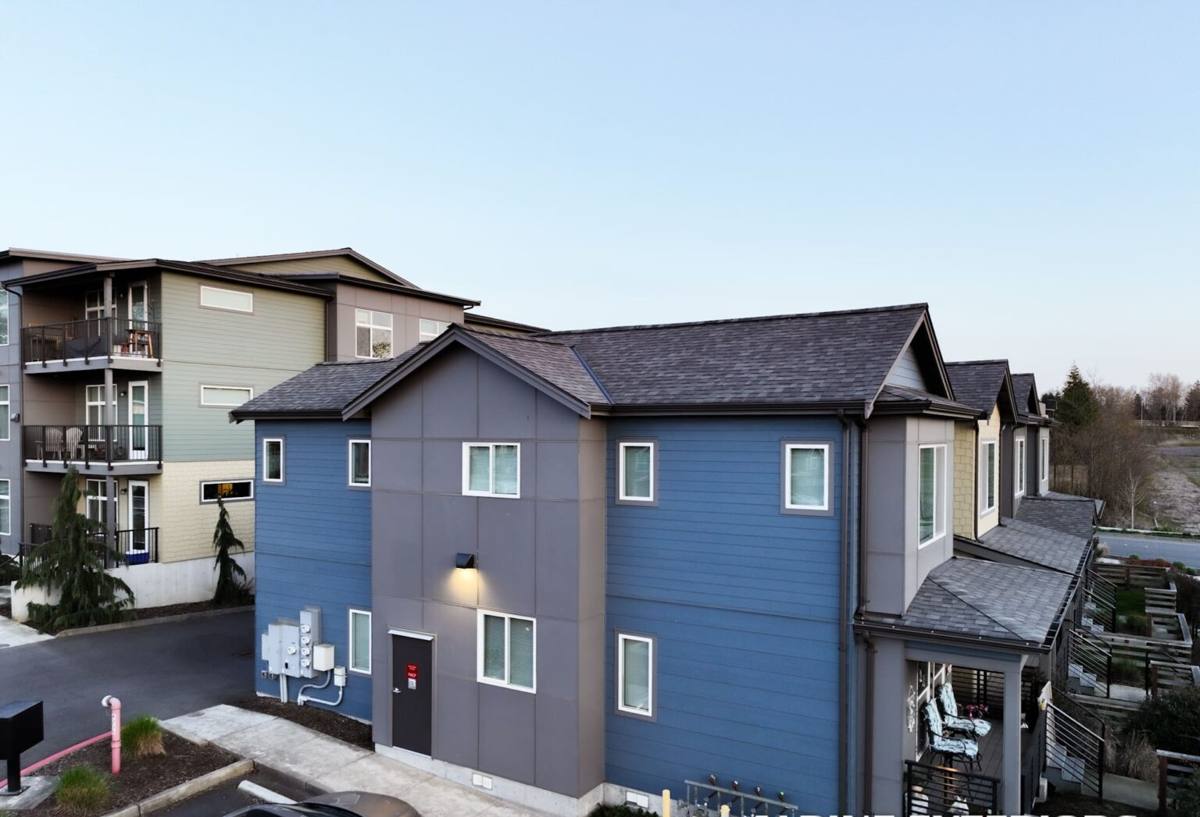
What Nooksack's Climate Actually Does to Siding
A few specific conditions show up again and again on older homes in this part of the county:
- Sustained moisture exposure. Long stretches of overcast, damp weather mean siding rarely gets a full dry-out cycle for months at a time. Materials that absorb or trap moisture stay wet longer here than in drier parts of the state.
- Moss and algae growth. Shaded north walls, areas near trees, and low-sun exposures develop moss and green staining faster than homeowners expect. Left alone, moss holds moisture directly against the siding surface.
- Driving rain and wind exposure. Open valley and foothill winds push rain sideways during storms, forcing water into laps, joints, and trim intersections that never see moisture in calmer climates.
- Temperature swings. Cold, damp winters followed by warmer, humid summers put repeated expansion-and-contraction stress on siding materials and their finishes.
None of this is unique to Nooksack — it's the reality across most of Whatcom County — but valley and low-lying properties tend to hold moisture a bit longer than exposed, breezy sites, which makes material choice and installation detail even more important here.
Why We Only Install James Hardie
We don't offer a menu of siding brands. We install James Hardie fiber cement, full stop, and we tell homeowners why up front rather than letting them find out after the fact.
It's Non-Combustible
Hardie siding is fiber cement — it doesn't burn, warp from heat, or contribute fuel to a fire the way wood-based products can. That matters everywhere, but it's a real consideration for rural and semi-rural properties near open land, which describes a lot of the ground around Nooksack.
It's Engineered for This Climate
Hardie's HZ5 product line is specifically engineered for climates with sustained moisture, freeze-thaw cycling, and moss-prone conditions — exactly the profile of the Whatcom County lowlands and valley. It's not a generic siding product with a marketing label; the formulation and installation specs change based on climate zone.
ColorPlus Finish Holds Up Without Repainting
Hardie's factory-applied ColorPlus finish is baked on and warrantied against fading and peeling for a long period — which matters in a climate where a field-applied paint job on wood or engineered wood siding can start failing within a handful of years due to constant moisture exposure.
It Doesn't Feed Moss and Rot the Way Wood-Based Products Can
Fiber cement doesn't have the wood fiber content that gives moss, algae, and rot organisms something to feed on and swell. That doesn't mean a Hardie wall never needs cleaning — moss can still grow on the surface of anything left damp and shaded — but the substrate itself isn't degrading from that exposure the way engineered wood or untreated wood can.
The Warranty Is Real and Transferable
Hardie backs its products with a strong, transferable limited warranty. That transferability matters to resale value — a buyer inspecting a home in a wet climate like this one wants to see documented, warrantied siding, not something with an uncertain service life.
We get asked why we don't also install vinyl, LP SmartSide, or cedar. The honest answer: each of those has real advantages in the right situation, but in a climate like Whatcom County's — with this much sustained moisture and moss pressure — we'd rather stand behind one product we trust completely than offer options we'd have reservations about recommending.
What a Correct Hardie Installation Involves
Fiber cement siding is only as good as its installation. A rushed or by-the-book-elsewhere install in a climate like this one will fail early, regardless of the product on the truck. Here's what we treat as non-negotiable on every Nooksack job:
Water Management Behind the Siding
Correct weather-resistive barrier installation, properly lapped and taped house wrap, and a drainage plane that lets any incidental moisture escape rather than getting trapped against the sheathing. This is the part of the job nobody sees once it's done — and the part that determines whether the wall assembly survives the next twenty winters.
Manufacturer-Spec Fastening and Clearances
Hardie publishes specific fastener spacing, clearance requirements from grade, roofing, and decks, and gapping instructions at butt joints. Skipping these to save time is one of the most common causes of early siding failure we see on inspections of other contractors' work.
Flashing at Every Penetration
Windows, doors, hose bibs, vents, and any other wall penetration need proper flashing integration with the water-resistive barrier — not just caulk. Caulk is a maintenance item, not a waterproofing strategy, and in a climate this wet, caulk-only details fail faster than in drier regions.
Proper Joint and Trim Detailing
Butt joints, inside and outside corners, and trim-to-siding transitions all have manufacturer-specified gaps and sealant approaches. Done correctly, they shed water. Done sloppily, they wick it straight into the wall.
Our Process on a Nooksack Job
| Step | What Happens |
|---|---|
| Site walk and assessment | We inspect existing siding, moisture damage, trim condition, and wall assembly before quoting anything. |
| Written scope and product selection | Hardie plank profile, exposure, and color are specified in writing — no verbal-only agreements. |
| Tear-off and sheathing check | Old siding comes off and sheathing is inspected for rot or damage before anything new goes up. |
| Weather barrier and flashing install | House wrap, flashing, and drainage plane go in to manufacturer and code standards. |
| Hardie siding installation | Installed to Hardie's published fastening, clearance, and joint specifications. |
| Final walkthrough | We walk the finished job with the homeowner before calling it complete. |
Cost Factors for a Nooksack Hardie Project
Every home is different, but the variables that most affect price on a fiber cement siding project here are consistent:
| Factor | Why It Matters |
|---|---|
| Existing siding removal | Tear-off of old wood, vinyl, or engineered wood siding adds labor versus a new-construction install. |
| Sheathing and framing repair | Moisture damage found underneath old siding needs to be repaired before new siding goes on — this is common on older homes in wet climates. |
| Home size and wall complexity | Dormers, multiple gables, and cut-up wall lines take more labor and material than a simple rectangular footprint. |
| Plank profile and finish | Lap width, texture, and ColorPlus color selection affect material cost. |
| Trim and accent work | Hardie trim boards, soffit work, and accent details add scope beyond field siding. |
Why Hire a Crew That Already Works This Area
Whatcom County's climate isn't theoretical to us — it's the reason we install the way we do. A crew that mostly works drier regions and treats every job the same way, regardless of climate, is more likely to skip details that don't matter in their usual conditions but matter a great deal here: extra attention to flashing at grade, careful drainage plane work, and realistic expectations about moss and cleaning cycles on shaded walls. Local, ongoing experience in Whatcom County conditions — including areas like Nooksack, Everson, Sumas, and the surrounding valley — means we've already seen what failure looks like on other people's installs, and we build to avoid it on yours.
Signs Your Current Siding Isn't Holding Up
- Soft or spongy spots when you press on the siding, especially near the bottom edges
- Persistent green or black staining that comes back quickly after cleaning
- Visible gaps, warping, or buckling at joints and corners
- Paint that's peeling, chalking, or failing faster than a normal repaint cycle
- Water stains or soft drywall on interior walls near exterior siding
- Siding that feels cool and damp to the touch well after rain has stopped
Any of these on a Nooksack home is worth a real inspection, not just a patch job — moisture problems behind siding tend to get worse quietly before they show up as a visible failure.
If you're weighing a siding project on a Nooksack home, we're happy to walk the property, look at what's there now, and give you a straight assessment of what it needs — no pressure, no obligation. The estimate form below gets you started.