 Whatcom County
Roof Repair Built for Barkley's Conditions
Barkley sits in a part of Whatcom County where roofs take a steady, year-round beating that homeowners in drier climates never have to think about. It's not usually one dramatic storm that causes damage here — it's the accumulation of salt-laden air moving in off the water, months of driving rain that finds every weak seam, and a moss season that can stretch from fall through spring. A roof repair done right in this area has to account for all three, not just patch the spot that's currently leaking.
We work on roofs throughout Whatcom County, and Barkley's mix of housing — from newer construction to homes with a couple of decades of roof life already behind them — gives us a good read on how local materials actually hold up over time versus how they're marketed to perform. That local track record shapes how we diagnose and repair every job, not guesswork or a one-size-fits-all national playbook.
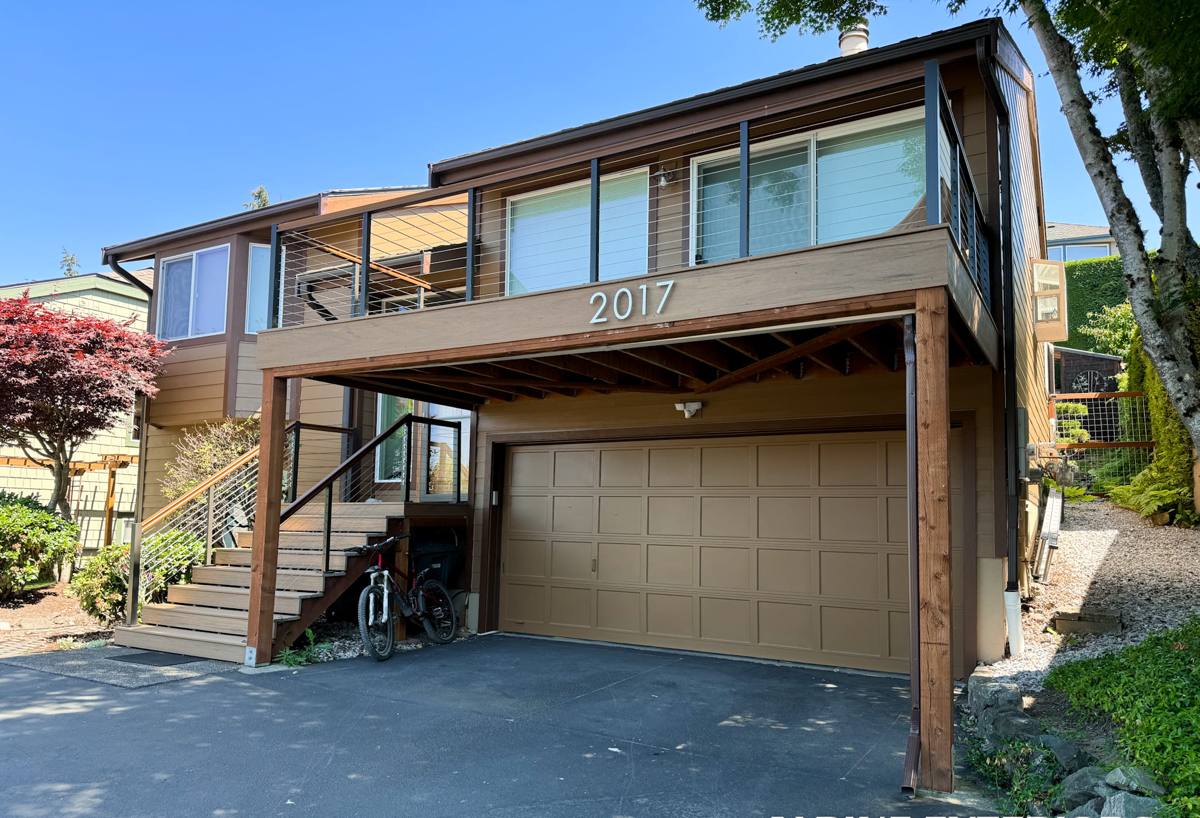
Why Whatcom County's Climate Is Hard on Roofs
Salt Air and Metal Fatigue
Homes closer to Bellingham Bay and the broader Puget Sound airshed deal with airborne salt that accelerates corrosion on exposed metal — flashing, fasteners, gutter hardware, and any metal roofing components. Barkley isn't waterfront, but the salt influence carries further inland than most homeowners assume, especially on the windward side of a roof. Corroded fasteners and pitted flashing are two of the most common failure points we find on repair calls that started as "just a small leak."
Driving Rain and Wind-Driven Moisture
Whatcom County doesn't just get rain — it gets rain pushed sideways by wind off the Strait and the Sound, which changes how water behaves on a roof. Wind-driven rain gets up under shingle tabs, around chimney flashing, and into vents that would stay dry in a straight-down downpour. Repairs that only address the visible drip point and ignore wind exposure tend to fail again within a season or two.
Moss, Shade, and Slow-Drying Roofs
Between tree cover common in Barkley's residential streets and the region's long stretch of overcast, damp weather, roofs here often don't get enough sun and airflow to dry out between rain events. That's exactly what moss and algae need to establish. Left alone, moss lifts shingle edges, holds moisture against the roof deck, and slowly opens the door to rot underneath a roof that still looks intact from the ground.
What "Correct" Roof Repair Actually Involves
A lot of roof repair in this region is done as a quick patch — a dab of sealant, a shingle swapped, done. That approach might stop a leak for a while, but it rarely addresses why the leak happened in the first place. Our process is built around finding the actual cause, not just the symptom.
Diagnosis Before Repair
We start by tracing the leak to its real source, which is often several feet away from where the water is showing up inside the house. Water travels along rafters and sheathing before it drips, so a stain on a ceiling doesn't always sit under the roof problem. We check flashing points, penetrations, valleys, and the general condition of the surrounding roofing material before deciding on a repair scope.
Common Repair Points We See in Barkley Homes
- Flashing around chimneys, skylights, and plumbing vents that has corroded, lifted, or was under-sealed originally
- Shingle damage from wind lift, especially on roof edges and ridges exposed to prevailing weather
- Moss and organic growth that has worked under shingle tabs and held moisture against the deck
- Clogged or damaged gutters causing water to back up under the roof edge
- Nail pops and fastener corrosion allowing small gaps that widen with seasonal expansion and contraction
- Soft or rotted decking discovered only once damaged shingles are pulled back
Matching Repairs to the Existing Roof
Whenever possible, we match repair materials to what's already on the roof — same shingle style, comparable metal for flashing, compatible sealants — so the repair blends in and performs consistently with the surrounding roofing rather than creating a patchwork of mismatched materials that age at different rates.
Repair vs. Replacement: How We Make That Call
Not every roof problem in Barkley needs a full replacement, and we don't push toward one unless the numbers and the roof's condition genuinely point that way. Here's a general breakdown of how we think about it:
| Situation | Usually Repair | Usually Replace |
|---|---|---|
| Roof age | Under roughly 15 years, otherwise healthy | Near or past the material's expected service life |
| Leak pattern | Isolated to one flashing point or section | Multiple leaks in different areas |
| Decking condition | Solid, no soft spots | Widespread rot or soft decking found under shingles |
| Moss/algae coverage | Localized, surface-level | Heavy coverage with visible shingle lifting across large areas |
| Granule loss | Minimal, isolated | Widespread bald patches on shingles |
If a roof is a close call, we'll tell you honestly — including when a repair now is the financially smart move even if replacement is likely a few years out.
Our Process, Start to Finish
- Free on-site inspection. We walk the roof (or use a ladder and close visual inspection where roof access isn't safe) and check the attic or crawlspace where accessible for signs of moisture.
- Honest diagnosis and written scope. You get a clear explanation of what's actually wrong, what caused it, and what it will take to fix — not just a price.
- Repair work. Most Barkley repair jobs are completed in a single day, weather permitting; more involved flashing or decking work may take longer.
- Cleanup and photo documentation of the completed work. We remove debris, old materials, and dropped fasteners from the property.
- Follow-up. If a repair doesn't hold as expected, we come back to address it under our workmanship coverage.
Seasonal Timing in Whatcom County
Roof repair can happen most of the year here, but timing affects both the work and the wait. Late spring through early fall gives the longest dry windows for sealant cure times and decking replacement. Fall and winter repairs are still very doable — we do them constantly — but active leaks tend to get discovered during the first heavy rain of the season, which is also when scheduling gets tightest across the county. Addressing small issues (a lifted shingle, minor moss buildup, a suspect flashing seam) before the wet season sets in is almost always cheaper and less disruptive than an emergency call once water is already inside.
Maintenance That Extends a Repair's Life
A repair is only as good as the roof around it. A few habits make a real difference in this climate:
- Keep gutters clear, especially going into fall when leaf and needle debris peaks
- Trim back tree limbs that keep sections of the roof shaded and slow to dry
- Have moss treated or removed before it spreads rather than after shingles start lifting
- Do a visual roof check after any major windstorm, even if nothing is visibly leaking indoors
- Address small issues — a curling shingle edge, a stained ceiling patch — before the next wet season rather than waiting
Why a Local Crew Matters for This Kind of Work
Roof repair is one of those jobs where local knowledge genuinely changes outcomes. A crew that works Whatcom County roofs regularly knows which flashing details fail first in this climate, how aggressive the moss season really gets on shaded lots, and what a rushed or undersized repair looks like six months later when it's called back out to fix someone else's patch job. We're not learning the region on your roof — we already know what driving rain off the Sound and a long damp winter do to a roof over time, and we build repairs to hold up against exactly that, not against a generic weather assumption.
Being local also means straightforward scheduling and accountability. If a repair needs a follow-up visit, we're not driving in from out of the area — we're already working in Barkley and the surrounding neighborhoods on a regular basis.
What to Expect From Our Estimates
We provide free, no-pressure estimates for roof repair work in Barkley and throughout Whatcom County. There's no cost and no obligation to have us take a look, explain what we find, and give you a clear scope of work. If the fix is small, we'll tell you that too — we'd rather earn repeat business and referrals than oversell a repair. Reach out through the form below and we'll get a crew member out to take a look.