 Whatcom County
Roof Repair in South Hill: What Our Climate Actually Demands
South Hill homes take a different kind of beating than roofs in drier parts of the country. Whatcom County sits close enough to the water that salt air is a real factor in how fast metal components corrode, and the region gets long stretches of driving, wind-blown rain rather than the gentle vertical rain that most roofing materials are designed around. Add in a moss season that can run for most of the year in shaded, north-facing sections of a roof, and you have three separate stresses working on a roof at the same time: moisture intrusion, material fatigue, and organic growth that traps water against the surface. A roof repair here isn't just about patching a leak. It's about understanding why that spot failed in this specific climate, and making sure the fix holds up through another wet season instead of reopening in six months.
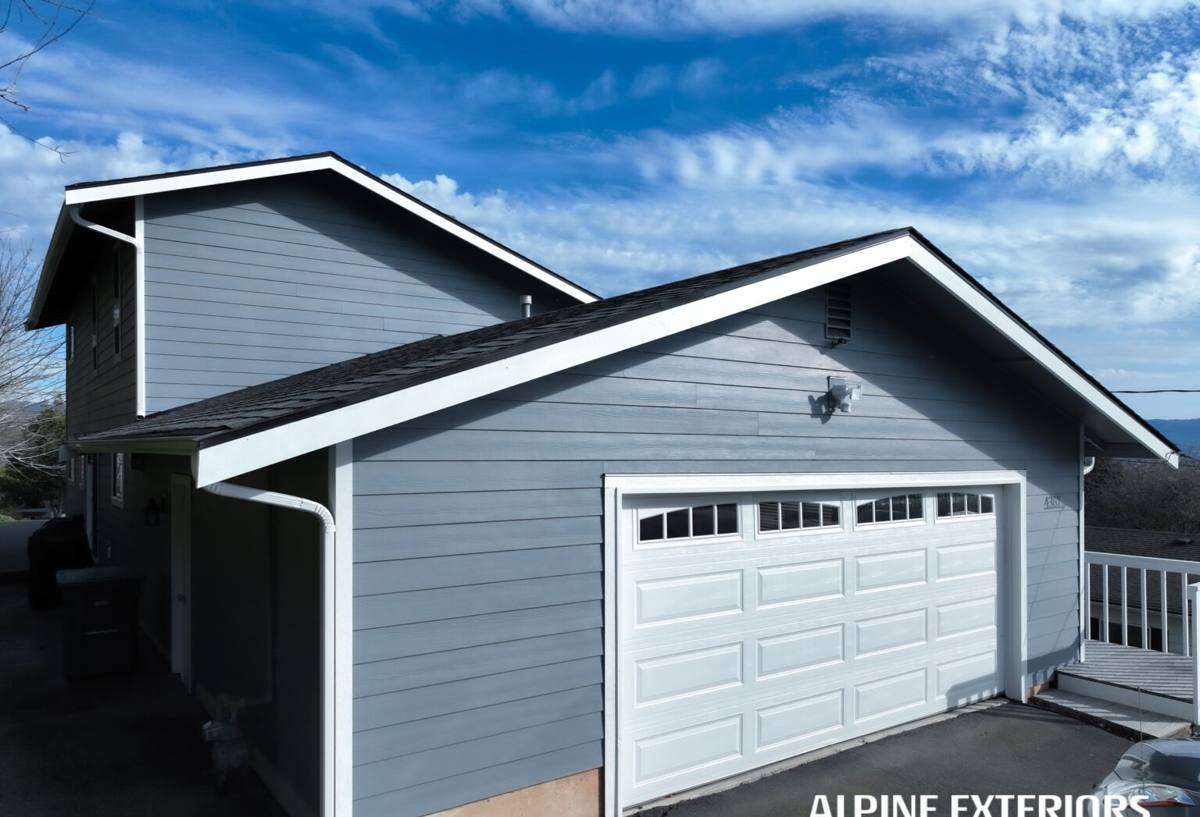
Common Roof Problems We See on South Hill Roofs
Moss and Organic Growth
Moss doesn't just look bad. It holds moisture against shingles and roofing felt long after the rest of the roof has dried out, which softens materials and accelerates granule loss on asphalt shingles. Left long enough, moss works its way under shingle tabs and lifts them, creating a direct path for water. In shaded yards with mature trees, which describes a lot of South Hill properties, this is often the single biggest driver of premature roof failure.
Wind-Driven Rain and Flashing Failures
Most roof leaks don't start in the field of the shingles at all. They start at transitions: chimneys, skylights, sidewalls, valleys, and vent pipes. Wind-driven rain can push water sideways and even slightly uphill under flashing that would be perfectly adequate in a calmer climate. When we're called out for a mystery leak, flashing and step-flashing failures are one of the first things we check, well before we assume the shingles themselves are the problem.
Salt Air and Fastener Corrosion
Proximity to salt air accelerates corrosion on exposed metal — nail heads, flashing, gutter fasteners, and any lower-grade hardware used in a previous repair. Corroded fasteners back out over time, and a nail that's lifted even an eighth of an inch is enough to let water track underneath a shingle. This is a slower, quieter failure mode than a storm-damaged shingle, which is exactly why it gets missed on a quick visual inspection from the ground.
What a Correct Roof Repair Actually Involves
Diagnosis Before Patching
The most common mistake in roof repair isn't bad workmanship — it's fixing the visible symptom instead of the cause. A stain on a ceiling can be a hundred feet away from where water is actually entering the roof, since water travels along the underlayment, rafters, and sheathing before it shows up indoors. A correct repair starts with tracing the leak to its actual entry point, checking the surrounding flashing and underlayment condition, and confirming there isn't hidden rot in the decking before any new material goes down.
Matching Materials and Technique to the Existing Roof
A repair also has to match the roof it's going into. Shingle profile, exposure, and even the nailing pattern matter if you want a patch that blends in and performs the way the rest of the roof does. Installing the wrong shingle weight, skipping ice-and-water shield in a valley that needs it, or reusing old flashing that's already corroding are all ways a repair can look fine on installation day and fail within a year.
Repair vs. Replacement: How We Make the Call
Not every leak means you need a new roof, and not every roof is worth patching indefinitely. We look at a combination of factors before recommending either path.
| Factor | Leans Toward Repair | Leans Toward Replacement |
|---|---|---|
| Age of roof | Under 12-15 years, single incident | Near or past expected material lifespan |
| Extent of damage | Localized to one area or penetration | Multiple leak points across the roof |
| Granule loss / shingle condition | Isolated wear, surrounding shingles intact | Widespread granule loss, brittle shingles |
| Decking condition | Solid, no soft spots | Rot or soft sheathing found during inspection |
| Moss history | Recently treated, minimal regrowth | Chronic moss with repeated shingle lifting |
When a roof falls in the middle of that table, we'll say so plainly and lay out both options with honest cost and lifespan trade-offs rather than defaulting to the bigger job.
Our Roof Repair Process, Start to Finish
- Inspection. We get on the roof (not just a ground-level look) to check shingles, flashing, vents, valleys, and decking, and we inspect the attic side when accessible to check for staining, daylight, or damp insulation.
- Diagnosis and written scope. We explain what's actually causing the leak or damage, not just where it's showing up, and give you a clear scope of the repair before work starts.
- Prep and material matching. We source shingles, flashing, and underlayment that match your existing roof as closely as possible, and clear moss or debris from the work area first so we're not sealing over a problem.
- The repair itself. Damaged decking is replaced if needed, flashing is properly step-lapped and sealed, and new shingles are woven into the existing pattern rather than just overlaid.
- Cleanup and check. We clear nails and debris from gutters and the ground, and do a final check of the repair area and adjacent sections before we call the job done.
Materials We Use and Why
Most South Hill roofs we work on are asphalt shingle, with a smaller share of metal and cedar. We stick to well-established, code-rated products for repairs because a repair only works if it's compatible with the roofing system already on the house.
| Material | Where It Fits | What Matters Most in Repair |
|---|---|---|
| Asphalt shingle | Most common roof type in the area | Matching profile and exposure; proper nail placement |
| Standing seam / metal | Increasingly common on newer builds | Correct fastener type to resist corrosion in salt air |
| Cedar shake | Older homes and some architectural styles | Moisture management is critical given our moss season |
On metal components and flashing specifically, we favor corrosion-resistant fasteners and flashing metals over the cheapest available option. In a low-humidity climate that difference might not matter for years. Here, with salt air and near-constant moisture cycling, it's the difference between a repair that lasts a decade and one that needs redoing in three or four years.
A Homeowner's Pre-Winter Roof Checklist
A short seasonal check can catch small problems before the wet months turn them into interior damage. Before the rains settle in for the season, it's worth walking the property and checking for:
- Moss or dark streaking on north-facing or shaded sections of the roof
- Shingle tabs that look lifted, curled, or are missing granules
- Gutters and downspouts clogged with needles, leaves, or moss debris
- Visible gaps or rust around chimney, vent pipe, or skylight flashing
- Sagging or uneven spots when viewed along the roofline from the ground
- Water stains, musty smell, or daylight visible in the attic
If you notice any of these, it's worth getting a professional look before winter storms arrive rather than during one.
Maintenance That Extends a Repair's Lifespan
Moss Control Is Ongoing, Not One-Time
Because of how long moss season runs here, a single treatment isn't a permanent fix. Zinc or copper strips near the ridge, periodic soft washing, and keeping overhanging branches trimmed back all reduce how fast moss returns. We treat this as part of protecting a repair investment, not an upsell.
Gutters and Drainage
A roof repair can be done perfectly and still get undermined by clogged gutters backing water up under the shingle edge. Keeping gutters clear, especially through fall, is one of the cheapest things a homeowner can do to protect the work.
Why Hire a Crew That Already Works in South Hill
A roofer who works elsewhere in the country can still do competent work, but a crew that regularly repairs roofs in this specific area already knows which flashing details tend to fail first in wind-driven rain, how aggressively moss comes back given our tree cover and moisture, and which fastener grades actually hold up against salt air rather than just meeting minimum code. That local pattern recognition shortens the diagnosis phase and reduces the chance of a repair that looks right on day one but reopens with the next storm.
If you're dealing with a leak, storm damage, or just want an honest opinion on a roof that's showing its age, we're happy to take a look. Reach out for a free, no-pressure estimate using the form below.