 Whatcom County
Roof Replacement in Birchwood: Built for What Whatcom County Actually Throws at a Roof
Birchwood sits close enough to the water and the marine weather pattern that moves through Whatcom County to take a specific kind of beating year-round. It's not one dramatic storm that wears out a roof here — it's the steady combination of salt-laden air, long stretches of driving rain, and a moss season that can run most of the year in shaded, north-facing sections of a roof. A roof replacement done right in Birchwood has to account for all three, not just meet minimum code and call it done.
We work on homes in this neighborhood regularly, which means we already know which roof lines tend to hold moisture longest, which orientations grow moss fastest, and which older roofing systems in the area are due for a hard look. That local pattern recognition changes how we scope a job before we ever climb a ladder.
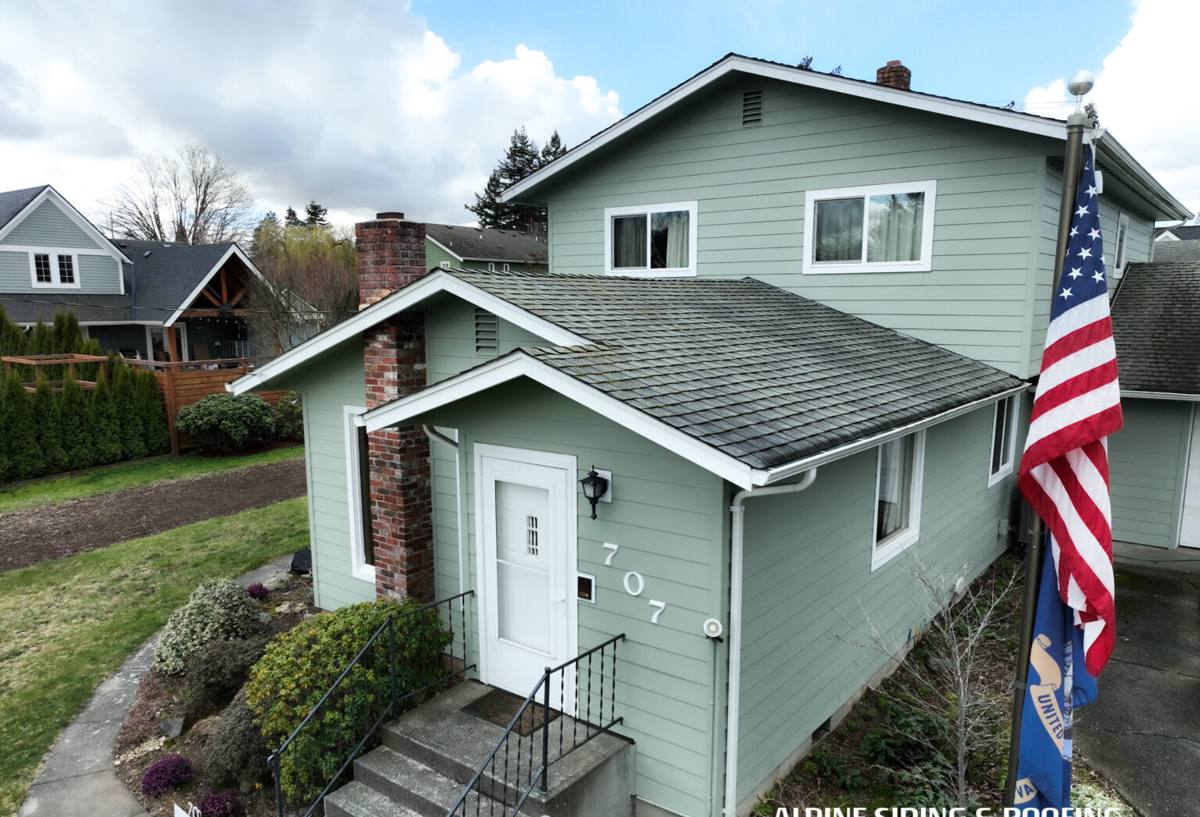
Why Whatcom County's Climate Is Hard on Roofs
Salt Air and Metal Fatigue
Proximity to Puget Sound and the Strait of Georgia means airborne salt is a real factor here, even a few miles inland. Salt accelerates corrosion on exposed metal — flashing, fasteners, vents, gutter hardware — faster than it would in a drier or more inland climate. A roof spec'd for a generic Pacific Northwest home isn't automatically spec'd for a coastal-influenced one.
Driving Rain and Wind-Driven Moisture
Whatcom County doesn't just get rain, it gets rain pushed sideways by wind off the water often enough that horizontal water intrusion is a legitimate design concern, not a rare edge case. Underlayment quality, flashing details at valleys and walls, and how laps are shingled all matter more here than in a climate with mostly straight-down rainfall.
Moss Season That Never Fully Ends
Shaded roof sections, especially north-facing slopes under tree cover, stay damp long enough for moss and moss colonies to take hold and spread. Left alone, moss lifts shingle edges, holds water against the roof deck, and shortens the usable life of an otherwise sound roofing system. In Birchwood specifically, mature tree cover on many lots makes this a bigger factor than it is in more open, newer developments.
Signs a Birchwood Home Needs Roof Replacement, Not Another Repair
- Granule loss heavy enough that you're finding grit in gutters every season, not just after a storm
- Moss that comes back within months of a cleaning, even after treatment
- Soft spots or slight sag felt when walking the roof, which usually means deck damage underneath
- Daylight visible through the attic roof deck, or damp insulation below specific roof areas
- Curling, cupping, or cracked shingles across large sections rather than one isolated patch
- Flashing that's rusted, separated, or was never properly step-flashed at a wall or valley
- A roof approaching or past the upper end of its material's realistic service life in this climate
Any one of these on its own might be a repair. Two or three together, especially on a roof that's already 18-20+ years old, usually means repair costs start approaching replacement cost without buying you much extra time.
What a Correct Roof Replacement Actually Involves
A roof replacement isn't just stripping old material and nailing down new shingles. In a climate like Whatcom County's, the parts most homeowners never see are the parts that determine whether the roof performs for the next two decades or starts failing again in five years.
Tear-Off and Deck Inspection
Full tear-off lets us actually see the roof deck — soft, delaminated, or water-stained plywood needs to be replaced before anything new goes down. Covering a compromised deck with new shingles just hides a problem that will resurface as a leak later.
Underlayment Selection
Given the driving-rain pattern common here, we lean toward synthetic underlayments with strong water resistance and, in vulnerable areas like eaves and valleys, ice-and-water shield membrane for an extra layer of protection against wind-driven moisture finding its way under the shingle field.
Flashing Done Right the First Time
Valleys, chimneys, skylights, and wall intersections are where most roof leaks actually originate — not the open field of shingles. Correct step flashing, counter-flashing, and valley treatment, using corrosion-resistant materials given the salt air, is non-negotiable on every replacement we do.
Ventilation
Proper intake and exhaust ventilation keeps the attic space dry and temperature-regulated, which reduces the moisture buildup that feeds moss growth from underneath and extends the life of the roof deck itself. A lot of older Birchwood homes were built before current ventilation standards were common practice, so this is often an upgrade, not just a replacement in kind.
Final Details
Drip edge, ridge caps, proper nailing patterns per manufacturer spec, and a clean gutter line tie-in finish the job. These are small line items that are easy to shortcut and expensive to fix later if they're done wrong.
Material Options and Honest Trade-Offs
We'll walk through options specific to your home, budget, and roof pitch, but here's a general comparison of what we most commonly install or evaluate for Whatcom County homes:
| Material | Typical Lifespan Here | Moss/Moisture Behavior | Best For |
|---|---|---|---|
| Architectural asphalt shingle | 20-30 years | Needs regular moss maintenance, especially on shaded slopes | Most Birchwood homes; good balance of cost and durability |
| Standing seam metal | 40-50+ years | Sheds moisture fast, moss struggles to establish on smooth metal | Homeowners planning to stay long-term or wanting minimal maintenance |
| Composite/synthetic shingle | 30-40 years | Moderate moss resistance, holds up well in wet climates | Homes wanting a wood-shake look without the moisture upkeep |
| Cedar shake | 20-25 years in this climate | Higher maintenance burden; retains moisture more than other options | Homeowners prioritizing traditional appearance who accept the upkeep |
We don't push cedar shake as a default recommendation on shaded, moisture-prone lots — not because it's a bad product, but because its maintenance burden and moisture retention in a climate like this one don't line up well with a low-upkeep expectation. That's a professional judgment based on install experience here, not a knock on the material itself.
Cost Factors Specific to a Birchwood Roof
Every roof is priced individually, but the variables that move the number most in this area are consistent:
| Factor | Why It Matters Here |
|---|---|
| Roof pitch and access | Steeper pitches and tree-crowded lots slow down safe tear-off and material staging |
| Deck condition | Hidden water damage from long-term moss or old flashing failures adds deck replacement cost |
| Number of penetrations | Chimneys, skylights, and vents each need individual flashing work |
| Material choice | Metal and composite carry higher upfront cost but lower long-term maintenance |
| Tree cover | Heavier cover often means more moss-related deck repair and may call for added ventilation |
Our Process for a Birchwood Roof Replacement
- On-site inspection, including attic access where possible, to check deck condition and ventilation before quoting anything
- A written scope that spells out material, underlayment, flashing approach, and ventilation plan — not just a single line-item price
- Scheduling built around actual Whatcom County weather windows, not just calendar availability
- Full tear-off with deck inspection and photos of anything replaced, so you're not taking our word for hidden repairs
- Flashing, underlayment, and shingle or metal installation to manufacturer spec
- Final walkthrough covering what was done, what warranty applies, and basic maintenance expectations for this climate
Why a Locally Familiar Crew Matters More Than It Sounds Like It Should
Roofing crews that don't work this specific area regularly tend to spec roofs the same way regardless of location — same underlayment, same flashing approach, same maintenance advice, whether the home is in a dry inland valley or a moss-prone, salt-air-influenced neighborhood like Birchwood. That's not incompetence, it's just unfamiliarity with the specific conditions.
A crew that already works Whatcom County knows which roof orientations in this area need extra ventilation attention, which older flashing styles common in the neighborhood tend to fail first, and how aggressive the moss problem gets on shaded lots versus open ones. That knowledge shows up in fewer callbacks and a roof that's actually built for where it sits, not just built to code minimums.
Maintenance After Replacement
- Have moss growth addressed before it spreads across a full slope, not after
- Keep gutters clear so water isn't backing up under the shingle edge during heavy rain
- Trim back tree limbs that keep sections of the roof shaded and damp longer than the rest
- Schedule a periodic visual inspection, especially after major windstorms common to the area
- Watch for granule buildup in gutters as an early warning sign, even a few years after a new roof goes on
None of this is complicated, but it's the difference between a roof that hits its full expected lifespan and one that needs premature attention because moss or moisture was left unaddressed.
If your Birchwood home's roof is showing any of the signs above, or you just want a straight answer on whether repair or replacement makes more sense right now, we're glad to come take a look. The estimate is free, there's no pressure to move forward, and you'll get a real answer based on what we actually find on your roof — use the form below to get started.