 Whatcom County
Roofing in Happy Valley Has Its Own Set of Problems
Happy Valley sits close enough to the water and to mature tree cover that its homes take a different kind of beating than roofs further inland. It's not one dramatic storm that wears a roof out here — it's the accumulation of small, constant stresses: salt-laden air drifting in off the bay, long stretches of driving rain that finds every gap in flashing and underlayment, and a moss season that can run eight or nine months out of the year in shaded, north-facing sections of a roof. A roof replacement in this neighborhood needs to account for all three, not just meet the minimum code requirement for shingles and nails.
We've replaced roofs throughout Whatcom County long enough to know that a roofing system designed for a dry-summer climate somewhere else doesn't automatically hold up here. The materials, the ventilation, and the underlayment strategy all need to be chosen with this specific microclimate in mind.
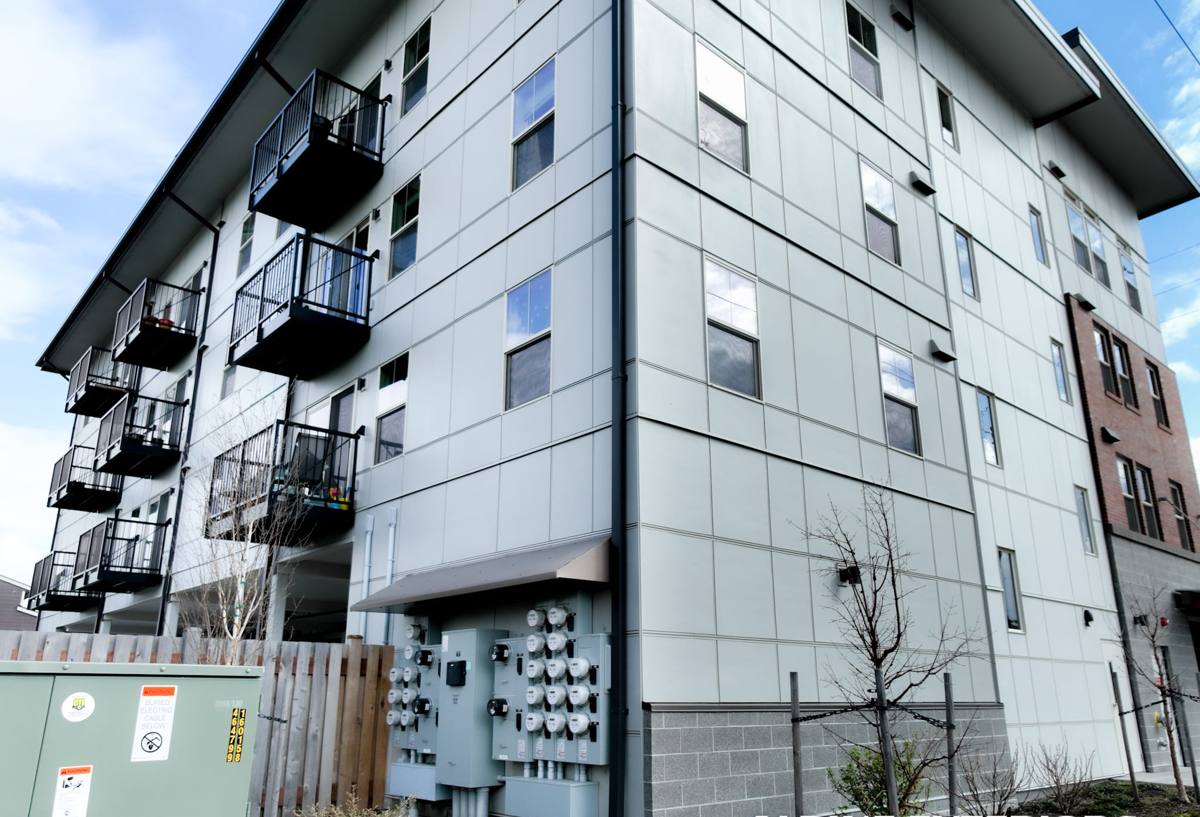
What Happy Valley's Climate Actually Does to a Roof
Salt Air and Corrosion
Homes closer to the water deal with airborne salt that accelerates corrosion on exposed metal — flashing, fasteners, vent caps, and gutter hardware all age faster here than they would twenty or thirty miles inland. Standard galvanized fasteners can start showing rust streaks well before a roof's expected lifespan is up. This is why fastener and flashing material selection matters as much as the shingle brand on the label.
Driving Rain and Wind-Driven Water
Whatcom County doesn't just get a lot of rain — a good portion of it arrives sideways, pushed by wind off the strait. That kind of weather forces water up and under shingle edges, into valleys, and around penetrations like plumbing vents and chimneys in ways that a light, straight-down rain never would. Roofs here need underlayment and flashing details built for wind-driven moisture, not just water running downhill.
Moss and Shade
Happy Valley's tree cover is part of what makes it a nice place to live, but it also means shaded roof sections stay damp longer after every rain. Moss and algae take hold fast in that environment, and once established, moss roots work under shingle tabs and lift them, creating entry points for water. A roof that isn't detailed with moss resistance in mind will need moss treatment or removal within a few years of installation, sometimes sooner on the shadiest slopes.
Signs a Happy Valley Roof Needs Replacing, Not Patching
- Shingles that are cupping, curling, or losing granules in visible patches, especially on south- and west-facing slopes
- Moss buildup that returns within a year or two of cleaning, particularly in shaded valleys and along the north slope
- Soft spots or sagging in the roof deck when walked on, which usually means the plywood underneath has taken on water
- Rust staining around flashing, vent boots, or fasteners — a common early sign in areas exposed to salt air
- Daylight visible through the attic sheathing, or damp insulation and dark staining on attic rafters
- A roof that's already 20+ years old and has had multiple repair visits without solving the underlying leak
- Granules collecting in gutters and downspouts in noticeably increasing amounts each season
Any one of these on its own might be a repair. Two or three together, especially on an older roof, usually means the underlying materials are past the point where patching makes financial sense.
What a Correct Roof Replacement Involves Here
Tear-Off and Deck Inspection
We remove the old roofing down to the deck rather than layering over it. That's the only way to actually see what condition the plywood or OSB sheathing is in — and in a climate this wet, hidden deck rot is common enough that skipping this step is how homeowners end up with surprise damage a few years later. Any soft or delaminated sheathing gets replaced before anything new goes down.
Underlayment Built for Wind-Driven Rain
Given how much of this region's rain arrives at an angle, we use synthetic underlayment with proper lap and fastening, plus self-adhered membrane (ice-and-water-shield-style product) at the eaves, valleys, and around every penetration — not just where code requires it. This is the layer that catches water that gets past the shingles, and in a driving-rain climate it earns its keep.
Flashing and Fasteners Chosen for Salt Exposure
Around chimneys, skylights, sidewalls, and vent penetrations, we use corrosion-resistant flashing and fastener materials appropriate for the property's exposure. Homes closer to the water get more conservative material choices than a comparable home ten miles inland — that's a judgment call worth making at the estimate stage, not after the first rust stain shows up.
Ventilation That Accounts for Moss-Prone, Shaded Roofs
Balanced intake and exhaust ventilation keeps the roof deck's temperature and moisture level more stable, which matters for shingle lifespan and for slowing moss regrowth on shaded slopes. A roof that's properly ventilated dries out faster after each rain event than one that isn't — and in a neighborhood with this much tree cover, that difference adds up over the life of the roof.
Moss-Resistant Details on Shaded Slopes
On roofs with significant shade, we talk through moss-resistant shingle options and, where it makes sense, zinc or copper strip installation near the ridge, which releases trace metals with rainwater runoff that inhibit moss growth on the slopes below. It's not a substitute for occasional cleaning, but it meaningfully slows how fast moss comes back.
Comparing Common Roofing Choices for This Climate
| Material | How It Handles Moss/Moisture | Salt Air Considerations | Typical Lifespan Here |
|---|---|---|---|
| Standard asphalt shingle | Moderate — benefits from moss-resistant granule treatment | Fine on the shingle itself; flashing/fasteners still need attention | 18-25 years with good ventilation |
| Architectural/laminate shingle | Better shedding profile, heavier granule base resists moss slightly longer | Same fastener/flashing considerations apply | 25-30 years with good ventilation |
| Metal roofing | Sheds moss and moisture very well due to steep-shed surface and no granule layer to trap debris | Requires marine-grade or coated fasteners and finishes near the water; standard hardware corrodes faster | 40-50+ years with correct materials |
| Cedar shake | Higher maintenance — retains moisture and needs regular treatment to resist moss and rot | Not significantly affected by salt air itself, but upkeep demands are higher overall | 20-30 years with diligent maintenance |
We don't push one product on every home. The right choice depends on the roof's slope, shade exposure, budget, and how much ongoing maintenance the homeowner actually wants to keep up with. What we won't do is install a system without the underlayment and flashing upgrades this climate calls for, regardless of which shingle or panel sits on top — cutting corners there shows up as a leak in a few years, not immediately, which is exactly why it gets cut in the first place on some jobs.
Our Process for a Happy Valley Roof Replacement
- On-site inspection: We look at the roof, the attic, and the deck condition, and talk through what shade, slope, and exposure mean for this specific property.
- Written estimate: A clear scope of work and price — materials, underlayment strategy, flashing plan, and ventilation upgrades if needed — with no vague allowances.
- Scheduling around the weather: Given how much rain this area gets, we plan tear-off and dry-in carefully so the deck isn't left exposed longer than necessary.
- Tear-off, deck repair, and install: Old roofing removed, deck inspected and repaired as needed, then underlayment, flashing, ventilation, and final roofing installed in that order.
- Final walkthrough: We go over the finished roof with the homeowner, including any moss-prevention details installed and basic maintenance expectations going forward.
Why Local Experience in Whatcom County Matters
A roofer who mostly works drier inland climates can still do competent work, but they're often making material and detailing decisions based on a different set of assumptions. A crew that regularly works Whatcom County neighborhoods like Happy Valley already knows which slopes tend to hold moss, which fastener grades hold up near the water, and how aggressive the underlayment needs to be for wind-driven rain — because they've seen the failures that happen when those details get skipped. That local pattern recognition is worth more than a lower bid from a crew unfamiliar with the area.
It also matters for warranty follow-through and maintenance. A contractor based nearby is realistically available if a question comes up two or five years after installation, rather than being a name on an invoice from a company that's moved on to other regions.
Basic Maintenance After Replacement
- Have gutters cleaned at least twice a year — clogged gutters back water up under the shingle edge during heavy rain
- Keep overhanging branches trimmed back where practical to reduce shade and debris buildup on the roof
- Watch shaded, north-facing slopes for early moss regrowth and address it before it spreads
- Have the roof looked at after any major windstorm, even if there's no visible damage from the ground
- Schedule a professional inspection every few years rather than waiting for a leak to show up inside the house
None of this replaces a well-built roof, but it extends the life of one considerably in a climate that doesn't give a roof much of a break.
If your roof in Happy Valley is showing its age, or you just want an honest read on how much life it has left, we're happy to take a look. The estimate is free, there's no pressure, and you'll get a straight answer about what your roof actually needs — simply fill out the form below to get started.