 Whatcom County
Fiber Cement Siding Built for Samish's Climate
Samish sits in a part of Whatcom County where the weather doesn't do half-measures. Homes here deal with salt-laden air moving in off the water, long stretches of driving rain through fall and winter, and a moss season that seems to start earlier and last longer every year. Siding that works fine in a drier inland climate often struggles here — it absorbs moisture, holds onto grime, and starts showing green and black staining within a couple of seasons. Fiber cement siding, specifically James Hardie's engineered products, was designed with exactly these conditions in mind, and it's the only siding system we install on Samish homes.
This page focuses on one thing: what a correctly installed fiber cement siding job looks like for a Samish home, why the local climate makes the details matter more than they might elsewhere, and how our crew approaches the work.
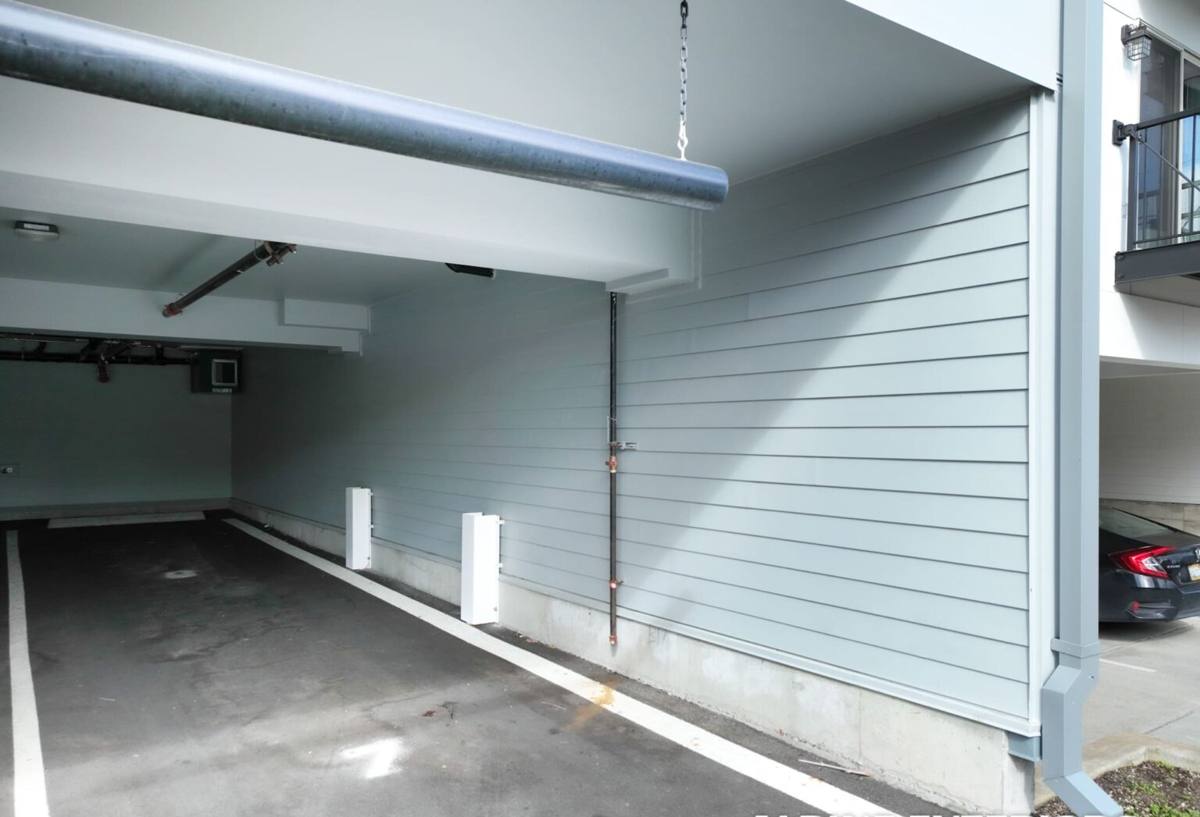
What Samish's Climate Actually Does to Siding
It helps to be specific about the stresses at play, because they're not the same everywhere in Whatcom County. Samish's mix of maritime moisture and proximity to water creates a few distinct problems:
- Salt air corrosion: Airborne salt accelerates the breakdown of fasteners, trim, and paint film on wood and engineered wood products. It also finds its way into seams and joints where moisture can then get trapped.
- Sustained driving rain: Wind-driven rain doesn't just wet the surface of siding — it pushes water sideways and upward under laps, trim, and butt joints if those details weren't built correctly the first time.
- Moss and algae growth: Shaded, damp, tree-covered lots (common around Samish) create ideal conditions for moss and mildew to colonize any siding surface that stays damp longer than it should.
- Freeze-thaw cycling: Whatcom County gets enough cold snaps that any siding holding moisture is at risk of that moisture expanding and contracting, which stresses joints, fasteners, and finishes over years.
None of these factors are dramatic on their own, but stacked together and repeated year after year, they're exactly why we've seen wood, vinyl, and some engineered wood sidings underperform on homes in this area faster than manufacturers' marketing suggests.
Why We Standardized on James Hardie for This Area
We install James Hardie fiber cement siding exclusively — not LP SmartSide, not vinyl, not cedar, not off-brand fiber cement. That's a deliberate standard, not a default. Fiber cement is a cement, sand, and cellulose fiber composite. It doesn't absorb water the way engineered wood products do, and it doesn't warp, crack, or become brittle in cold the way vinyl can. For a climate like Samish's, those material properties matter more than upfront cost differences.
James Hardie also makes a version of its siding, called HZ10, specifically engineered for climates with more moisture and temperature swing — which describes most of western Washington. Combined with the factory-applied ColorPlus finish (which resists fading and chipping far better than field-applied paint), it's a system built to actually hold up to the specific punishment Samish weather delivers, not just survive a showroom.
What Correct Installation Involves
Fiber cement siding is only as good as its installation. A huge share of the siding failures we get called out to inspect on other contractors' work aren't material failures — they're installation shortcuts. For Samish homes specifically, the following details are non-negotiable:
- Proper water-resistive barrier: A correctly lapped weather barrier behind the siding, with all penetrations flashed, so any moisture that does get past the cladding has somewhere to drain instead of soaking into sheathing.
- Correct fastener spacing and type: Corrosion-resistant fasteners, placed per Hardie's engineering specs — not "close enough" spacing that leaves panels prone to movement or cracking.
- Proper clearance at grade and roof lines: Siding installed too close to the ground, decks, or roof planes traps moisture and invites the exact rot and moss growth that's common on older Samish homes.
- Caulking and sealing at the right joints only: Hardie's system is designed to shed water, not seal it in — over-caulking traps moisture behind the panel instead of letting it drain and dry.
- Factory-cut and factory-primed edges wherever possible: Field cuts expose raw fiber cement edges that need proper sealing, especially important with this much annual rainfall.
Our Process for a Samish Siding Job
Every home is different, but the sequence and standards don't change:
- On-site assessment: We walk the exterior, check for existing moisture damage, evaluate trim and window flashing condition, and look at drainage and grading around the foundation — all common trouble spots on older homes in this area.
- Tear-off and sheathing check: Once old siding is removed, we inspect sheathing for rot or soft spots before anything new goes on. Covering up existing damage is how small problems become expensive ones.
- Weather barrier and flashing: We install or verify a continuous, correctly lapped water-resistive barrier and flash every window, door, and penetration before siding goes up.
- Hardie panel or plank installation: Installed to manufacturer spec for fastening, spacing, and clearance — the details that determine whether the siding performs for decades or needs early repairs.
- Trim, caulking, and finish details: Trim and joints are finished according to Hardie's application guidelines, not generic siding practice, since over- or under-sealing both cause problems.
- Final walkthrough: We review the finished job with the homeowner and point out anything they should know for long-term maintenance.
Fiber Cement vs. Other Siding Options for Samish Homes
| Factor | James Hardie Fiber Cement | Vinyl | Engineered Wood (e.g., LP SmartSide) |
|---|---|---|---|
| Moisture resistance | Does not absorb water; resists rot | Doesn't rot, but seams and gaps can trap moisture behind panels | Wood-based core is moisture-sensitive if edges or seams fail |
| Salt air / coastal durability | Non-organic composite, holds up well to salt exposure | Can become brittle and discolor over time | More vulnerable to accelerated wear near coastal air |
| Moss and algae resistance | Factory finish resists staining; surface doesn't feed organic growth | Prone to visible algae staining, especially in shade | Wood-based surface can support moss/mildew growth if finish degrades |
| Fire resistance | Non-combustible | Melts/deforms under heat | Combustible wood-based product |
| Finish longevity | Factory ColorPlus finish, long warranty on color | Color molded in but can fade/chalk | Field or factory paint, needs more frequent recoating |
This isn't a knock on every homeowner's choice — vinyl and engineered wood both have legitimate uses and price points. But for a climate that combines salt air, sustained rain, and heavy shade-driven moss growth the way Samish does, fiber cement's material properties hold up better over the long run, which is why it's the only product we put our name behind.
Cost Factors for a Samish Siding Project
We don't publish blanket per-square-foot pricing because it varies by home, but these are the real factors that move the number:
| Factor | Why It Matters |
|---|---|
| Home size and wall complexity | More corners, gables, and dormers mean more cutting, trim work, and labor time |
| Existing siding removal | Tear-off of old wood, vinyl, or damaged siding adds labor and disposal cost |
| Sheathing repair needs | Rot or moisture damage found during tear-off has to be addressed before new siding goes on |
| Product line and profile | Panel vs. lap siding, and standard vs. premium ColorPlus finishes, affect material cost |
| Trim and accessory scope | Full trim replacement, soffit, and fascia work adds to overall project scope |
Maintenance After Installation
One reason we like recommending fiber cement for this area is how little upkeep it demands compared to the alternatives, but "little" isn't "none." A short annual routine keeps a Hardie installation performing the way it should for years:
- Rinse siding with a garden hose (not a pressure washer) once or twice a year to clear salt residue and organic buildup before it sets in.
- Check caulking at trim joints and penetrations annually — recaulk only where the manufacturer's guidelines call for it.
- Keep gutters clear so overflow doesn't run down siding surfaces repeatedly.
- Trim back vegetation and tree cover where practical to reduce shaded, damp conditions that encourage moss.
- Watch for any soft spots, discoloration, or gaps at trim and address them early rather than waiting.
Why Hire a Crew That Already Works in Samish
Fiber cement installation standards don't change from town to town, but the judgment calls do. A crew that regularly works in Samish and the surrounding Whatcom County area already knows which details to double down on — flashing at grade transitions on sloped lots, clearance requirements near heavy tree cover, and where moss tends to establish first on a shaded elevation. That's the kind of pattern recognition that only comes from doing this work, on homes like these, in this specific climate, repeatedly.
It also means we're not guessing at code requirements, typical lot conditions, or how a given home's orientation to weather and water will affect long-term performance. We install James Hardie siding because we trust the product; we send an experienced local crew to install it because the product only performs as promised when the installation is right.
If you're considering new siding for a home in Samish, we're happy to walk the property, look at what's there now, and give you an honest read on what it would take to do the job right — no pressure, no obligation. Reach out for a free estimate using the form below.