 Whatcom County
Board & Batten Siding in Sehome: Built for This Neighborhood's Climate
Sehome sits close enough to Bellingham Bay to catch salt-laden air off the water, and its tree-covered streets mean a lot of homes sit in partial shade for much of the year. That combination — salt air, driving Pacific rain, and a long moss season under mature conifers — is a tougher environment for exterior siding than most homeowners realize until they've lived with it for a decade or two. Board and batten siding, with its vertical boards and raised battens, is a popular look in this neighborhood because it fits the mix of craftsman, cottage, and modern farmhouse homes common here. But the look only holds up if the material and the installation are matched to what Whatcom County actually throws at a house.
This page is about that one service, in this one neighborhood: what board and batten siding needs to survive Sehome's climate, what a correct installation actually involves, and why we only install it in James Hardie fiber cement.
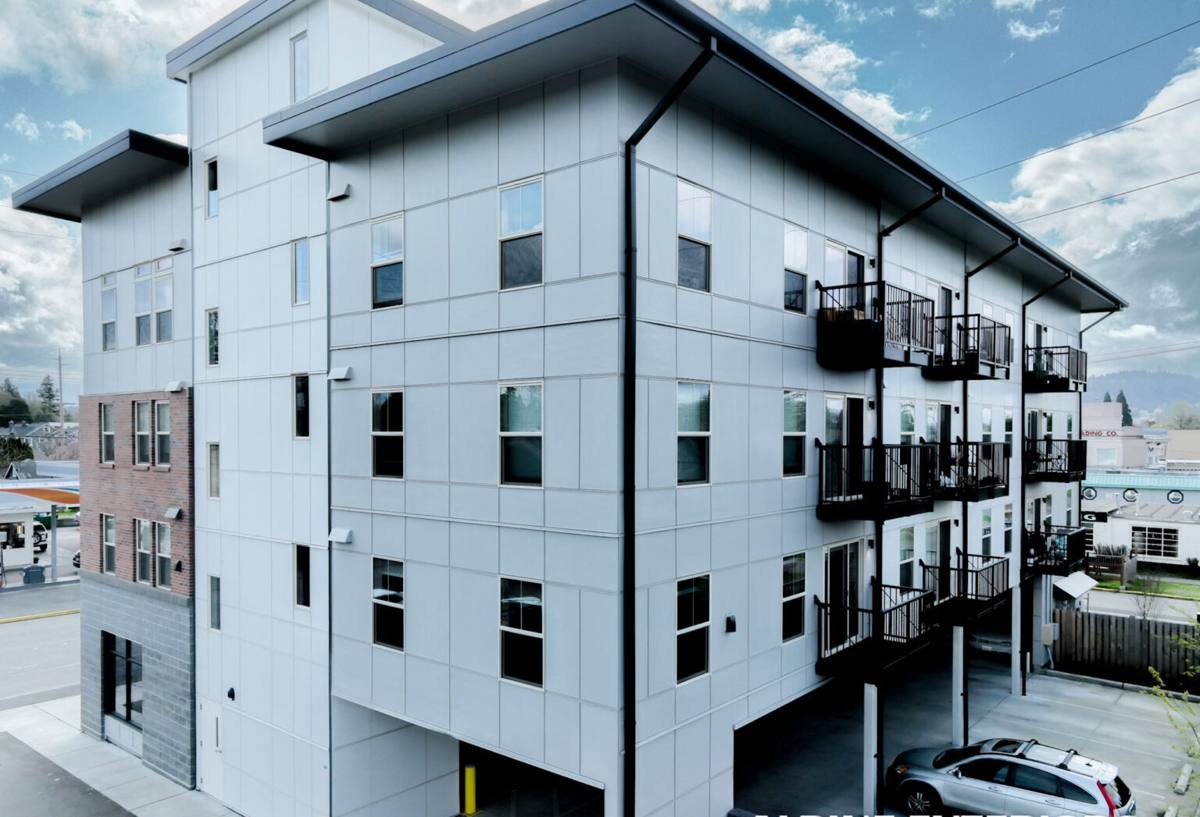
What Board and Batten Siding Is (and Why It's Popular in Sehome)
Board and batten is a siding pattern, not a single product. Wide vertical boards are installed first, then narrower strips — the battens — are fixed over the seams between them. The result is a strong vertical shadow line that reads as more architectural than standard lap siding, which is part of why it shows up so often on Sehome's mix of older bungalows and newer infill builds near Western Washington University.
The pattern can be built out of several materials — vinyl, engineered wood, cedar, or fiber cement — but the pattern itself doesn't tell you anything about how the siding will hold up. That comes down to what's behind the boards and what the boards are made of, which matters a lot more in a marine climate than it does somewhere dry.
Why the Pattern Matters More Here Than in a Dry Climate
Every seam between a board and a batten is a place water can find its way behind the siding if the installation isn't done correctly. In a low-rainfall region, a marginal install might go unnoticed for years. In Whatcom County, where driving rain off the Sound is a regular feature of fall and winter weather, a board and batten system with weak flashing detail or the wrong fastening pattern will show problems — staining, swelling, soft spots — much faster.
What Sehome's Climate Actually Does to Siding
Three things define the exterior environment here, and each one attacks siding differently.
Salt Air
Proximity to Bellingham Bay means airborne salt is part of daily exposure, even a few miles inland. Salt accelerates corrosion on exposed metal fasteners and trim, and it's abrasive to finishes over time — a factory-cured, weather-resistant finish holds up to this far better than a coating applied on site.
Driving Rain
Wind-driven rain doesn't just fall on siding, it gets pushed sideways into seams, laps, and penetrations. Board and batten's vertical seams need correct overlap, fastening, and a functioning water-resistive barrier behind them, or wind-driven rain will find the gaps.
Moss Season
Tree cover and consistent moisture mean moss and algae growth on north-facing and shaded walls for a good chunk of the year. Moss holds moisture against the siding surface long after a storm has passed, which is hard on any material that isn't dimensionally stable and resistant to moisture absorption.
Where Board and Batten Installations Go Wrong
Most siding failures we see in Whatcom County aren't material failures — they're installation failures that a marine climate exposes faster than a dry one would. The pattern itself has more places for water to get trapped than plain lap siding, so the margin for error is smaller.
- Battens face-nailed too close to the edge, splitting the board or the batten over time as wood moves with moisture
- No gap or backer behind board and batten seams, so there's nowhere for incidental moisture to drain or dry
- Missing or undersized flashing at window and door heads, letting driving rain track behind the siding
- Boards run tight to grade or to a deck surface with no clearance, wicking ground moisture straight into the material
- Caulk used as a substitute for proper flashing and drainage detail instead of a supplement to it
None of these show up on day one. They show up in year three to year eight, usually as staining, soft spots at the bottom of boards, or paint failure around seams — right when a homeowner assumed the siding was a decades-long, no-maintenance investment.
Why We Install James Hardie Board & Batten, Not Vinyl or Engineered Wood
We install James Hardie fiber cement exclusively. We don't install vinyl board and batten, engineered wood products, or primed spruce or cedar boards, and in a climate like Sehome's the reasons are practical, not cosmetic.
Vinyl Board & Batten
Vinyl is affordable and low-maintenance in the sense that it doesn't need painting, and for some budgets and some homes that's a legitimate trade-off. But vinyl expands and contracts significantly with temperature swings, which limits how tight and crisp the board and batten shadow lines can stay over time, and it's a combustible material — a meaningful consideration for homeowners weighing long-term risk, not just upfront cost.
Engineered Wood (LP SmartSide and similar)
Engineered wood siding performs reasonably well when it's kept dry and the finish is maintained on schedule. The problem in a climate like Whatcom County's is that it's still a wood-based product — it can swell, delaminate at cut edges, or take on moisture damage if water gets behind it or sits against it, which is exactly the failure mode moss season and driving rain create. It also requires more diligent field-applied caulking and edge sealing than most homeowners realize when they buy it.
Primed Spruce or Cedar
Real wood board and batten looks great and has real appeal, but it demands a repainting and recaulking schedule that most homeowners underestimate, and it's the most vulnerable of the common options to the moisture-and-shade combination that defines a lot of Sehome's tree-covered lots.
Why James Hardie
James Hardie fiber cement is non-combustible, dimensionally stable, and resistant to moisture absorption in a way wood and wood-composite products aren't. The ColorPlus factory finish is baked on under controlled conditions rather than applied on site, which matters directly for salt air exposure — it holds color and resists fading and chipping better than field-applied paint. Hardie's HZ5 product line is engineered specifically for climates with freeze-thaw cycles and sustained moisture exposure, which fits the Whatcom County profile. It also carries a strong transferable warranty when installed to manufacturer spec — a genuine benefit if the installation is done correctly, and a moot point if it isn't, which is part of why installation quality matters as much as the material choice.
Material Comparison for Board & Batten in This Climate
| Factor | Vinyl | Engineered Wood | James Hardie Fiber Cement |
|---|---|---|---|
| Moisture resistance | Doesn't absorb water, but seams can trap it behind the panel | Vulnerable if finish or sealing fails | Resists moisture absorption; dimensionally stable |
| Salt air / coastal exposure | Can chalk and fade over years | Finish needs regular upkeep to hold up | Factory ColorPlus finish resists fading and chipping |
| Fire resistance | Combustible | Combustible | Non-combustible core |
| Shadow line stability | Can warp or ripple with temperature swings | Generally stable if properly installed | Stays crisp and stable long-term |
| Maintenance | Low, but limited repair options | Periodic recaulking and finish upkeep | Low; occasional wash, factory finish reduces repainting |
| Warranty | Varies by manufacturer | Varies, often prorated | Strong transferable warranty when installed to spec |
How We Approach a Board & Batten Project in Sehome
The process is the same discipline every time, adjusted for the specific home:
- Site walk and assessment — we look at tree cover, drainage, existing moisture damage, and how much wind-driven rain exposure the walls actually get based on orientation.
- Water-resistive barrier and flashing plan — this is where most of the long-term performance is decided, before a single board goes up.
- Correct fastening and batten spacing — following James Hardie's published fastening schedules rather than shortcuts, so boards and battens move correctly with moisture and temperature instead of splitting or pulling loose.
- Proper clearance at grade, decks, and roof lines — keeping the bottom of the siding out of standing water and away from surfaces that hold moisture against it.
- Trim, caulk, and finish detail — used to supplement flashing and drainage, never to substitute for it.
- Final walkthrough — we go over what was done and what maintenance, if any, the homeowner should expect going forward.
Maintenance to Expect After Installation
James Hardie board and batten is genuinely low-maintenance, but "low" isn't "none," especially with Sehome's moss season to account for:
- Rinse siding annually, more often on shaded north-facing walls prone to moss and algae
- Keep gutters clear so overflow doesn't run down the siding face repeatedly
- Trim back vegetation and tree limbs that keep a wall shaded and damp longer than the rest of the house
- Check caulking at trim joints and penetrations every couple of years and touch up as needed
- Address any impact damage promptly rather than letting a chip sit exposed through a wet winter
Why It Matters That We Already Work in Sehome
A crew that already works this neighborhood knows which walls take the worst of the wind-driven rain, which lots hold moisture longest under tree cover, and what the moss pattern looks like on homes that haven't been touched in years. That's not something you get from a general contractor bid sheet — it comes from doing the work here repeatedly and seeing what actually holds up over a Whatcom County winter versus what looks fine for the first year and then doesn't.
If your Sehome home needs new siding, a repair, or you're just trying to figure out whether your current board and batten is holding up the way it should, we're happy to take a look. Reach out for a free, no-pressure estimate using the form below.