 Whatcom County
Siding in Sehome Has to Work Harder Than It Looks Like It Should
Sehome sits close enough to Bellingham Bay to catch the salt-laden air coming off the water, and far enough into the tree cover that shade, humidity, and moss pressure build up on the north and west faces of homes almost year-round. That combination — salt air, driving rain off the Sound, and a moss season that can run from fall through spring — is a tougher environment for exterior siding than most homeowners realize until they're dealing with cupped boards, peeling paint, or soft spots around window trim.
We install James Hardie fiber cement siding exclusively, and Sehome is a neighborhood where that decision consistently pays off. This page focuses on what Hardie siding needs to do here specifically, what a correct installation actually involves, and how our process is built around Whatcom County's climate rather than a generic national spec sheet.
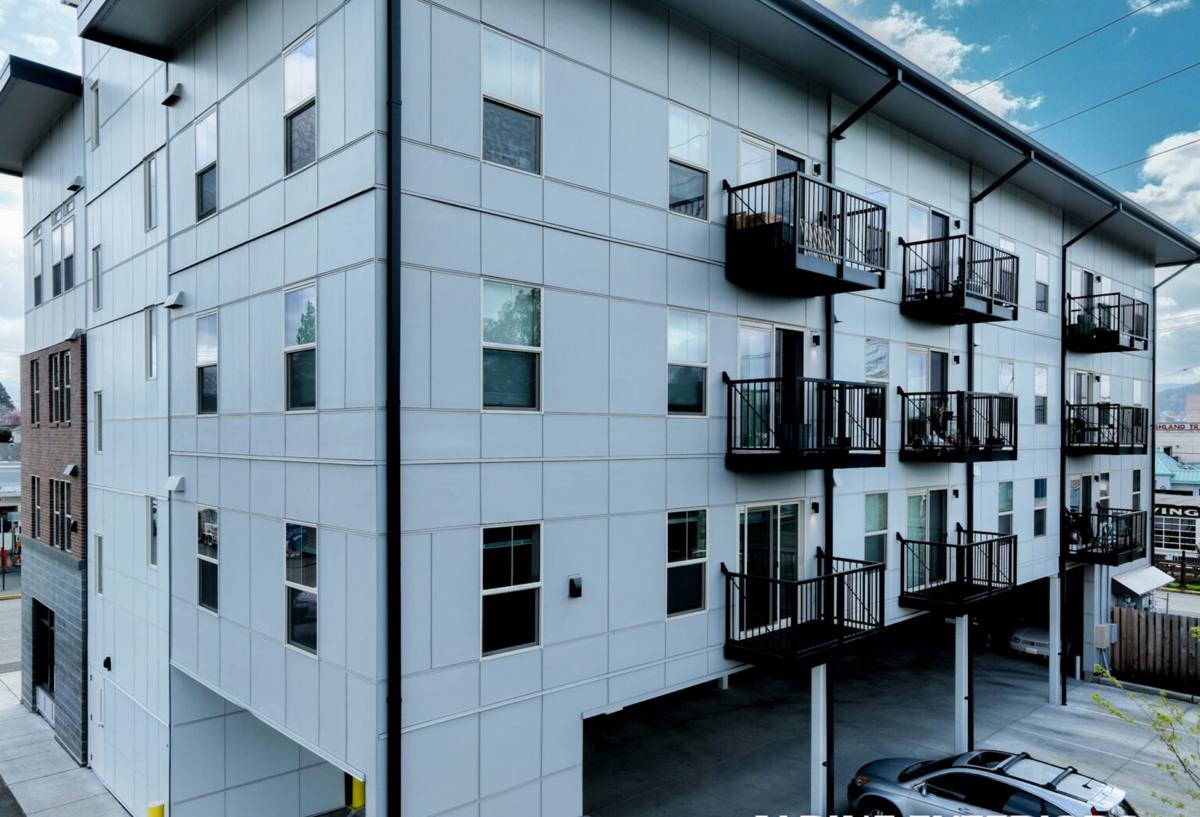
What Whatcom County's Climate Does to Siding Over Time
Every siding material eventually shows the effects of this region's weather. The specific stresses that matter most in Sehome are:
- Salt air corrosion: proximity to Bellingham Bay means airborne salt settles on exterior surfaces, accelerating the breakdown of unprotected fasteners, cheaper paint films, and untreated wood fiber.
- Driving rain: wind-driven rain off the Sound doesn't just wet the surface of siding — it tests every seam, lap joint, and piece of trim for water intrusion, especially on street-facing and west-facing walls.
- Extended moss and mildew season: shaded, tree-lined lots hold moisture longer after a storm passes. Moss and algae get a foothold on any siding surface that can't shed water quickly or resist organic growth.
- Freeze-thaw cycling: Whatcom County gets enough cold snaps each winter that any siding holding moisture at the time of a freeze is at risk of cracking, splitting, or delaminating.
None of these stresses are dramatic on their own. The damage is cumulative — it's what happens to a wall system over 8, 12, or 20 years of repeated wetting, drying, and temperature swings that separates siding that ages well from siding that doesn't.
Why We Install James Hardie and Nothing Else
We made a deliberate decision to standardize on James Hardie fiber cement rather than carry multiple product lines. For a climate like Sehome's, the reasons are practical, not brand loyalty:
Engineered for this exact climate zone
James Hardie manufactures region-specific formulations under its HZ5 product line for the Pacific Northwest's wetter, more moderate climate. That's a meaningfully different engineering target than the HZ10 formulation used in the Southeast's more freeze-prone regions — Hardie built HZ5 around resisting moisture-driven damage, which is exactly the failure mode Sehome's climate produces.
Non-combustible core
Fiber cement doesn't feed a fire the way wood-based products can. That's a genuine safety advantage independent of climate, and one more reason we don't ask homeowners to weigh combustibility against cost.
ColorPlus factory finish
Hardie's ColorPlus finish is baked on in a controlled factory environment rather than field-applied. That finish is formulated to resist fading and hold up against the freeze-thaw and moisture cycling described above far longer than a job-site paint job, and it comes backed by its own finish warranty separate from the substrate warranty.
A warranty structure built for the material
James Hardie backs its siding with a limited warranty that's transferable to a subsequent homeowner within its terms — which matters in a real estate market where siding condition affects resale conversations. We only offer what we can stand behind at installation, which is why we don't mix in vinyl, LP SmartSide, Cemplank, Allura, or untreated wood siding on the same crews.
What Correct Installation Actually Involves
Fiber cement siding's long-term performance depends almost entirely on installation quality — more so than most homeowners expect. A Hardie board installed to spec and one installed carelessly can look identical on install day and behave very differently five years later. The details that matter most in a climate like ours:
- Weather-resistive barrier integrity: the water-resistive barrier and flashing behind the siding have to be continuous and properly lapped — this is the layer actually keeping driving rain out of the wall assembly, not the siding surface itself.
- Correct fastener placement and type: Hardie specifies fastener type, spacing, and embedment depth. Salt-air environments make corrosion-resistant fasteners non-negotiable, not optional.
- Proper clearances: siding needs a minimum gap from grade, roofing, decks, and other trim elements so water has somewhere to go instead of wicking into the board's cut edges.
- Sealed and primed cut edges: every field cut exposes the board's core, which must be sealed per manufacturer spec — an overlooked step that's one of the most common causes of premature moisture damage.
- Correct joint and caulking practice: butt joints, inside corners, and penetrations (vents, hose bibs, light fixtures) each have a specified detail. Skipping these is invisible on install day and expensive later.
This is also where the case against DIY-adjacent or lowest-bid installation is strongest: the material cost is the same either way, but the labor and detailing determine whether the siding performs for 30+ years or needs remedial work inside a decade.
Our Process for a Sehome Hardie Siding Project
- On-site assessment: we walk the exterior, check the condition of the existing siding, sheathing, and trim, and look specifically for moisture damage around windows, roof lines, and grade-level areas — common trouble spots in shaded, tree-covered lots.
- Scope and product selection: we go over Hardie board profiles (lap, shingle-style panel, or vertical), trim options, and ColorPlus color choices suited to the home and the neighborhood's general character.
- Tear-off and substrate inspection: once old siding comes off, we inspect the sheathing underneath for rot or water intrusion before anything new goes up — this is the point where hidden damage from years of driving rain typically shows itself.
- Weather barrier and flashing: we install or repair the water-resistive barrier and flashing details before a single piece of Hardie board goes on, since this layer does the real water-shedding work.
- Installation to manufacturer spec: fastening, clearances, joint treatment, and cut-edge sealing are all handled per James Hardie's published installation guidelines, not shortcuts specific to speed.
- Final inspection and cleanup: we walk the finished job, check caulking and trim details, and register the project for warranty coverage where applicable.
What Drives the Cost of a Hardie Siding Project
Every home is different, but the factors that move the price on a Sehome siding project are consistent. This is meant to help you understand what you're actually paying for, not to quote an exact number sight unseen.
| Cost Factor | Why It Matters |
|---|---|
| Home size and wall area | More square footage means more material and labor hours, in a roughly linear relationship. |
| Existing siding removal | Tear-off of old wood, vinyl, or damaged siding adds labor and disposal cost before installation even starts. |
| Sheathing or rot repair | Moisture damage found during tear-off has to be repaired before new siding goes up — this is the most common source of a mid-project cost adjustment. |
| Trim and architectural detail | Homes with more corners, dormers, or window trim take longer to detail correctly than a simple rectangular footprint. |
| Number of stories | Second-story and taller work requires more scaffolding, staging, and time. |
| Board profile and color | Lap siding, panel siding, and shingle-style Hardie products carry different material and labor costs, as do some ColorPlus color selections. |
Maintenance That Actually Matters in This Climate
James Hardie siding is low-maintenance compared to wood, but "low-maintenance" doesn't mean "no maintenance" in a climate that produces this much moss and rain. A short annual routine goes a long way:
- Rinse siding surfaces (especially shaded, north- and west-facing walls) annually to knock down early moss and algae growth before it establishes.
- Keep gutters clear so overflow doesn't run down the siding face and concentrate moisture at specific spots.
- Trim back vegetation and tree limbs that keep siding shaded and damp longer after rain.
- Inspect caulking at trim joints, window and door surrounds, and penetrations once a year, and re-caulk where it's cracked or pulled away.
- Watch for any soft spots, staining, or paint film failure at the bottom courses near grade — these are early signs of moisture getting where it shouldn't.
Why Hiring a Crew That Already Works Sehome Matters
Siding installation quality depends heavily on judgment calls made on-site — how to detail a tricky corner, where extra flashing attention is warranted, how a particular roofline interacts with the wall below it. A crew that already works Sehome and the surrounding Whatcom County neighborhoods has seen the specific failure patterns this climate produces: where moisture tends to collect on shaded lots, which orientations take the worst of the driving rain, and how moss pressure behaves through a full local winter. That local pattern recognition doesn't replace following the manufacturer's installation spec — it's what makes sure the spec gets applied correctly to the parts of a house that are actually at risk here.
It also means straightforward answers on permitting norms, realistic project timelines around our wetter months, and scheduling that accounts for weather windows rather than fighting them.
Ready to Talk About Your Home's Siding?
If you're dealing with aging siding, visible moss buildup, or just want a straight answer about what James Hardie siding would look like and cost for your specific home in Sehome, we're happy to take a look. Request a free, no-pressure estimate using the form below and we'll walk the property with you.