 Whatcom County
Roof Replacement in Sehome: Building a Roof That's Made for This Hill
Sehome sits up on high ground over Bellingham Bay, which means homes here get a different mix of weather stress than roofs tucked into more sheltered parts of Whatcom County. The elevation catches wind off the water more directly, salt-laden air drifts up the slope, and the mature tree canopy that gives the neighborhood its character also means a lot of roofs spend more of the year shaded and damp than they would in an open, sunnier location. None of that is unusual for this part of Washington, but it does mean a roof up here works harder over its lifespan, and when it's finally time to replace one, the job needs to account for all of it — not just match what was there before.
We're based in Lynden and work throughout Whatcom County, and Sehome is regular territory for our crew. Roof replacement isn't a project you want handled by whoever happens to be cheapest or closest that week — it's a once-a-generation investment, and getting the details right the first time is what determines whether it's still performing well in twenty-five years or causing problems in eight. We treat it as one piece of a connected exterior system, the same way we approach siding, windows, and decks, because a roof that isn't detailed correctly at the edges and penetrations can send water problems straight down into the walls below it.
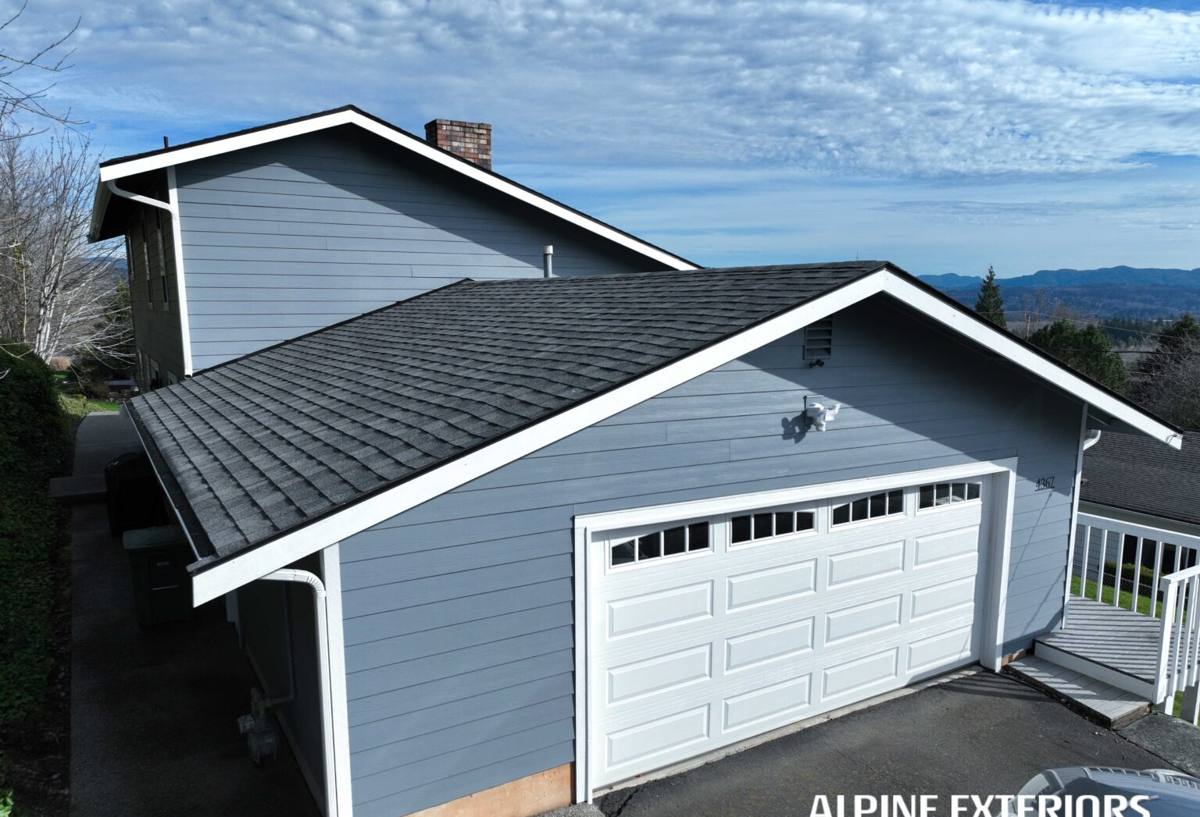
How to Tell a Sehome Roof Is Past Repair
Most roofs give warning signs well before they fail outright, and knowing the difference between "needs a repair" and "needs full replacement" saves homeowners from either premature spending or from patching a roof that's genuinely done. A few signals tend to show up consistently on older roofs in this neighborhood:
- Shingles that are curling, cupping, or losing granules across large sections rather than in one isolated spot
- Repeated leaks in different locations after previous repairs, suggesting the underlayment and decking are failing broadly, not just at one weak point
- Widespread moss and algae staining that keeps returning within a season or two of cleaning
- Soft or spongy decking felt underfoot during inspection, especially near valleys and under shaded, moss-prone sections
- A roof approaching or past the expected service life of its material, particularly if it's on its second layer of shingles already
A single one of these isn't necessarily a replacement trigger on its own. But when several show up together, or when a roof has been repaired more than once for the same recurring problem, that's usually the point where continued patching stops being the economical choice and full replacement becomes the honest recommendation.
What Correct Roof Replacement Actually Involves
Full Tear-Off, Not a Layer-Over
We remove the existing roofing down to the decking rather than layering new shingles over old ones. A layer-over might look fine for a year or two, but it traps moisture that's already working its way into the old roofing, adds unnecessary weight, and makes it impossible to actually inspect and fix the decking underneath — which, on an older Sehome roof that's spent years under tree cover, is often exactly where the real damage is hiding.
Decking Inspection and Repair
Once the old roofing is off, we inspect the decking itself for soft spots, delamination, or rot, particularly around valleys, chimneys, and any area that's held moisture over time. Any compromised sections get replaced before new roofing goes down — skipping this step is one of the most common ways a new roof ends up with problems within a few years.
Underlayment and Water Protection
A synthetic or self-adhering underlayment goes down as the roof's real first line of defense, with extra ice-and-water shield membrane at eaves, valleys, and any low-slope transitions where wind-driven rain is most likely to find a way in. This layer matters more in a climate like ours than the shingles themselves in some respects, since it's what protects the decking if wind ever gets under a shingle edge during a storm.
Flashing at Every Penetration
New flashing gets installed at chimneys, vent pipes, skylights, and roof-to-wall transitions rather than reusing old flashing, since corroded or improperly lapped flashing is one of the most common causes of leaks on a roof that otherwise looks sound. Given the salt exposure this neighborhood's elevation brings, we pay close attention to using corrosion-resistant hardware here.
Ventilation
Proper intake and exhaust ventilation keeps the attic space dry and temperature-regulated, which protects the new decking from the underside and helps prevent the kind of trapped moisture that speeds up moss growth and shortens shingle life. A roof replacement is the right time to correct ventilation that was inadequate on the old system, since the attic is fully accessible during the project.
Choosing a Roofing Material for a Shaded, Salt-Exposed Hillside
There's no single "best" roofing material for every home — the right choice depends on the roof's pitch, the home's style, the budget, and how much shade and moss exposure the specific roof sees. Here's how the common options generally compare for a Sehome property:
| Material | Typical Lifespan | Moss & Moisture Behavior | Considerations for This Climate |
|---|---|---|---|
| Architectural asphalt shingles | 25-30 years | Moderate moss resistance; algae-resistant granule options help | Good balance of cost and performance; most common choice for the neighborhood |
| Standing seam metal | 40-50+ years | Sheds moisture fast; moss struggles to establish on a smooth metal surface | Higher upfront cost, strong long-term value under heavy tree cover |
| Cedar shake | 20-30 years with upkeep | Holds moisture readily; needs regular treatment and cleaning in a moss-prone, shaded setting | We're honest that this is a higher-maintenance choice here — it can work, but it demands a real upkeep commitment given how much shade this neighborhood gets |
| Composite/synthetic shingle | 30-50 years | Good moisture and moss resistance, consistent manufacturing | Solid middle ground between asphalt cost and metal longevity |
For most homes in this neighborhood, we recommend architectural asphalt with algae-resistant granules as the practical default, and standing seam metal for homeowners planning to stay long-term and wanting to minimize moss maintenance over the decades ahead. We'll walk through the honest trade-offs for your specific roof rather than pushing whatever happens to have the best margin.
Ventilation and Moisture: The Part of the Job You Don't See
Sehome's tree canopy is one of the neighborhood's best features and one of the harder things for a roof to live under. Shaded roof sections dry out more slowly after rain, which extends the window moss and algae have to establish themselves, and needle and leaf debris that collects in valleys and along gutter lines can hold moisture against the roofing surface longer than an open roof would ever experience. A correct replacement accounts for this by making sure valleys are detailed to shed debris rather than trap it, that ventilation is sized to keep the attic dry even when the roof surface itself stays damp longer, and by recommending gutter and debris maintenance intervals that match how much tree cover a specific property actually has.
Cost Factors for a Sehome Roof Replacement
We don't publish a flat price because roof replacement costs genuinely vary based on the roof itself, but these are the factors that most affect the estimate:
| Factor | Why It Matters |
|---|---|
| Roof size and number of facets | More square footage and more complex geometry (valleys, dormers, hips) both add material and labor time |
| Pitch and access | Steeper roofs and homes on tighter hillside lots take longer and require more safety equipment and setup time |
| Number of existing layers to remove | Tear-off of two layers takes meaningfully longer than one and generates more disposal |
| Decking condition | Rot or soft decking found during tear-off adds material and labor that couldn't be priced sight-unseen |
| Material choice | Asphalt, metal, and composite options carry different material costs and installation labor |
| Ventilation and flashing upgrades | Correcting inadequate ventilation or replacing extensive flashing adds scope beyond a like-for-like swap |
Because of the decking-condition variable, we always frame an initial quote as an estimate based on visible conditions, with a clear understanding upfront of how any hidden damage discovered during tear-off would be priced and communicated before we proceed.
How Our Process Works
- An on-roof inspection to assess current condition, decking, ventilation, and flashing, along with a look at the attic where accessible
- A written estimate that lays out material options, scope, and an honest recommendation for your specific roof and budget
- Scheduling that accounts for Whatcom County's wetter months, since roof replacement needs a reasonable dry-weather window
- Full tear-off, decking inspection and repair, new underlayment, flashing, and ventilation installed to current standards
- Material installation with attention to the detailing that matters most in this climate — valleys, penetrations, and edges
- A final walk-through and cleanup, including magnetic sweep for stray fasteners around the property
A Simple Checklist Before Hiring for Roof Replacement
- Confirm current Washington contractor licensing and active liability insurance before any work begins
- Get the estimate in writing, including material specifications, not just a total price
- Ask specifically how decking repair, if needed, would be priced and communicated during the project
- Ask what workmanship warranty applies separately from the manufacturer's material warranty
- Confirm who handles the permit and how the finished work will pass inspection
- Ask how ventilation will be assessed and addressed, not just assumed to match the old roof
Permits and Doing It by the Book
Roof replacement in this area typically requires a permit, and we handle that process as part of the job rather than leaving it to the homeowner to sort out. Beyond the paperwork, working to code matters practically here — proper ventilation, flashing, and underlayment requirements exist because they address exactly the moisture and wind exposure issues this climate creates. Skipping steps to save time on a permitted job is a shortcut that tends to show up as a problem later, sometimes right around the time a warranty would otherwise have covered it.
Why a Crew That Already Works This Neighborhood Matters
A roofing crew that mostly works drier, more sheltered inland areas doesn't necessarily carry the same instinct for what a hillside roof under heavy tree cover and salt-tinged wind actually needs — how much attention the valleys deserve, which hardware grade is worth the extra cost, or how debris accumulation patterns should shape maintenance advice. Those are judgment calls that come from having actually worked roofs like this one before, not just from reading a spec sheet. It also means there's someone genuinely local and reachable afterward, not a crew that did one job in the area and moved on.
If your Sehome roof is showing its age, or you'd simply like an honest opinion on whether repair still makes sense or replacement is the smarter long-term move, we're glad to take a look. Reach out using the form below to schedule a free, no-pressure estimate.