 Whatcom County
Birchwood's Siding Has a Harder Job Than People Realize
Birchwood sits in one of the wetter, windier pockets of Whatcom County, and that combination is tougher on exterior siding than most homeowners expect. Salt-laden air off the water, driving rain that comes in sideways during winter storms, and a moss season that can stretch from fall through spring all work against a siding system that isn't built and installed for this specific climate. Siding here doesn't just need to look good on install day — it needs to keep doing its job through decades of that cycle.
When we install siding in Birchwood, we're not treating it like a generic job we could do anywhere. The product, the detailing, and the sequence of work all account for what this neighborhood's weather actually does to a house over time.
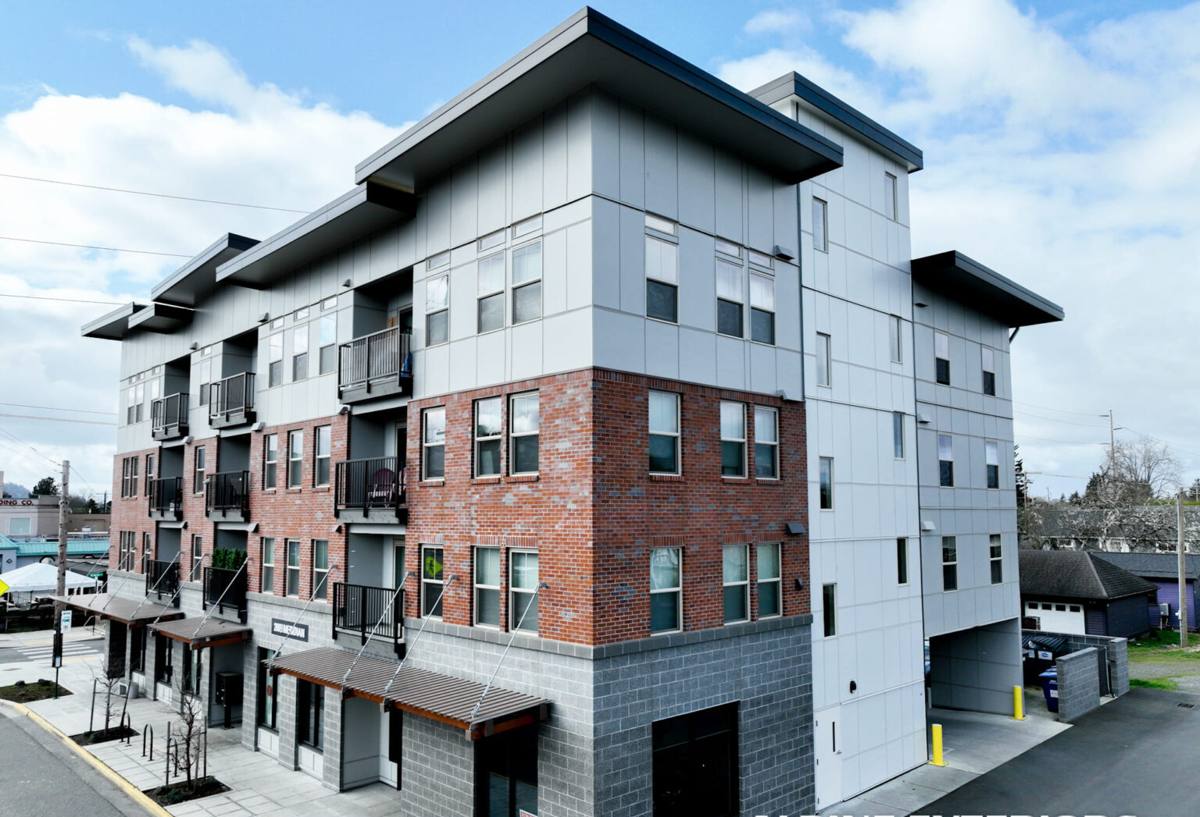
What Whatcom County's Climate Does to Siding Over Time
Salt Air and Slow Corrosion
Homes closer to Bellingham Bay and the broader Whatcom County shoreline deal with airborne salt that settles on exterior surfaces. Over years, that salt exposure accelerates corrosion on fasteners, flashing, and any metal trim that isn't properly rated or protected. It also breaks down lower-grade paint finishes faster than inland homes ever experience, leading to chalking, fading, and peeling well before a warranty period is up.
Driving Rain and Wind-Driven Moisture
Whatcom County storms don't just drop rain straight down — wind pushes it sideways into wall assemblies, seams, and joints. Siding that relies on face-sealed caulk joints or loose-fitting laps to keep water out tends to fail here faster than in calmer climates. Water finds its way behind the cladding through the smallest gap, and once it's behind the siding, the sheathing and framing underneath are at risk.
Moss, Mildew, and a Long Wet Season
Shaded north-facing walls, overhangs, and anywhere airflow is limited become prime real estate for moss and mildew growth for much of the year. Porous or wood-based siding products absorb moisture and give organic growth something to hold onto. Siding that resists moisture absorption and sheds water cleanly simply has less for moss to grip.
Why Product Choice Matters as Much as the Install
A correct installation on the wrong product still leaves a homeowner with a shorter-lived siding job. That's why we only install James Hardie fiber cement siding — it's non-combustible, engineered specifically for climates like ours through Hardie's HZ10 product line, and finished at the factory with ColorPlus Technology, which holds color and resists fading far better than field-applied paint. We don't install vinyl, LP SmartSide, primed wood, Cemplank, or Allura, and we're upfront with Birchwood homeowners about why: those products each carry real trade-offs in moisture behavior, maintenance burden, or long-term appearance in exactly the conditions this area sees most.
Hardie fiber cement doesn't absorb water the way engineered wood or masonite products can, doesn't warp or buckle under wide temperature swings the way vinyl can, and carries a manufacturer warranty structure that's meaningful specifically because the product holds up to inspection over time.
What a Correct Siding Installation Actually Involves
The siding itself is only part of the system. Most siding failures we get called to inspect in Whatcom County trace back to the water-management layer underneath, not the visible cladding. A correct install includes:
- A continuous, properly lapped weather-resistive barrier (house wrap) installed shingle-style so every seam sheds water downward
- Correctly flashed windows, doors, and penetrations, integrated into the water-resistive barrier rather than just caulked over it
- Rainscreen or furring strategy where called for, to let the wall assembly drain and dry rather than trap moisture against the sheathing
- Manufacturer-specified fastener type, spacing, and penetration depth — under- or over-driven fasteners are one of the most common causes of early plank failure
- Correct clearances at grade, decks, and roof lines so siding never sits in standing water or constant splash-back
- Factory-cut and field-cut edges properly sealed per manufacturer specification
- Caulking used only where it's meant to be a secondary defense, never the primary water barrier
Skip any one of these steps and the siding can look fine for a year or two while moisture problems build behind it unseen. That's the failure mode we see most often on homes where the visible plank is fine but the assembly underneath was never done right.
Our Process for Birchwood Homes
- On-site assessment: We walk the exterior, check existing siding and sheathing condition, and look specifically at moisture-prone areas — north walls, low clearances, and anywhere moss has already established itself.
- Tear-off and sheathing inspection: Once old siding is off, we inspect the sheathing underneath for rot or water damage before anything new goes on. This is the point where hidden problems get found and fixed, not covered up.
- Water-resistive barrier and flashing: House wrap and flashing go in as a complete system, integrated at every window, door, and penetration.
- James Hardie installation: Panels or lap siding installed to manufacturer fastening specification, with correct clearances maintained throughout.
- Trim, caulking, and final detailing: Finish work sealed as a secondary defense layer, not a substitute for proper flashing.
- Final walkthrough: We review the completed work with the homeowner before calling the job done.
Comparing Siding Materials for Birchwood's Climate
| Factor | James Hardie Fiber Cement | Vinyl | Wood / Engineered Wood |
|---|---|---|---|
| Moisture absorption | Very low | Non-absorbent, but seams can trap moisture behind panels | Absorbs moisture, prone to swelling |
| Performance in driving rain | Strong when properly flashed | Loose-fitting laps can allow wind-driven water intrusion | Vulnerable at joints and edges |
| Moss / mildew resistance | Resists growth on the surface itself | Resists growth, but can trap moisture that feeds it behind the panel | Provides a surface organic growth can take hold on |
| Color / finish longevity | Factory-applied ColorPlus finish, long fade resistance | Color molded through, but can chalk and fade over time | Requires repainting or restaining on a regular cycle |
| Fire resistance | Non-combustible | Combustible | Combustible |
Cost Factors for a Birchwood Siding Job
Every home is different, but the factors that most affect the scope and cost of a siding installation in this area are consistent:
| Factor | Why It Matters |
|---|---|
| Sheathing condition | Hidden rot or water damage found during tear-off adds repair scope before new siding can go on |
| Home size and complexity | More corners, dormers, and trim details mean more cutting, flashing, and labor time |
| Existing siding type | Some materials remove faster and cleaner than others, affecting tear-off time |
| Access and site conditions | Slopes, landscaping, and limited access around the home affect staging and scaffolding needs |
| Product line and finish selection | Panel profile, plank width, and color selection within the Hardie lineup affect material cost |
What to Ask Before Hiring a Siding Contractor
Birchwood homeowners get pitched by a lot of exterior contractors, and not all of them do this work the same way. Before hiring anyone for a siding project in Whatcom County, it's worth asking:
- Do you inspect and repair sheathing before installing new siding, or does it just go over what's there?
- What weather-resistive barrier and flashing method do you use, and how is it integrated at windows and doors?
- Are you a certified installer for the specific product you're proposing, and what fastening specification do you follow?
- What clearances do you maintain at grade, decks, and roof intersections?
- What does your warranty actually cover, and is it backed by the manufacturer or just your own labor guarantee?
A contractor who can answer these clearly and specifically, without hedging, is usually one who does this work correctly and often.
Living With Hardie Siding in Whatcom County
Once installed correctly, James Hardie siding is low-maintenance, but "low" doesn't mean "none." A periodic rinse to clear pollen, salt residue, and organic buildup helps keep the factory finish looking sharp, especially on north-facing walls where moss pressure is highest. Keeping gutters clear and vegetation trimmed back from the siding surface also goes a long way toward preventing the trapped moisture that feeds moss and mildew growth in the first place.
Why a Local Crew Matters for This Job
A siding crew that already works Whatcom County homes regularly knows where the moss builds first, which wall orientations take the worst of the driving rain, and how far salt exposure reaches inland from the water. That familiarity shows up in the small decisions on a job site — where to add extra flashing attention, which fastener spacing to hold to given the wind exposure, and how to sequence the work around this region's weather windows. It's the difference between a siding job that's technically installed and one that's installed for the specific conditions your Birchwood home is going to face year after year.
If you're planning a siding project in Birchwood, we're happy to walk your home, take a look at what's there now, and talk through what a correct James Hardie installation would involve for your specific house. Reach out for a free, no-pressure estimate using the form below.