 Whatcom County
Siding Built for Happy Valley's Weather, Not Just Its Curb Appeal
Happy Valley sits close enough to the water and the marine weather patterns that move through Whatcom County that its homes take a different kind of beating than houses further inland. Salt-laden air, long stretches of driving rain, and a moss season that seems to start earlier and last longer every year all work on exterior siding in ways that aren't always obvious until a wall is already failing underneath. A siding installation done right here has to account for all three, not just look good on the day it goes up.
This page covers what siding installation actually involves for a Happy Valley home, why the climate here changes the job, and why we install exclusively James Hardie fiber cement siding rather than the vinyl, LP SmartSide, or wood products still common on older homes in the area.
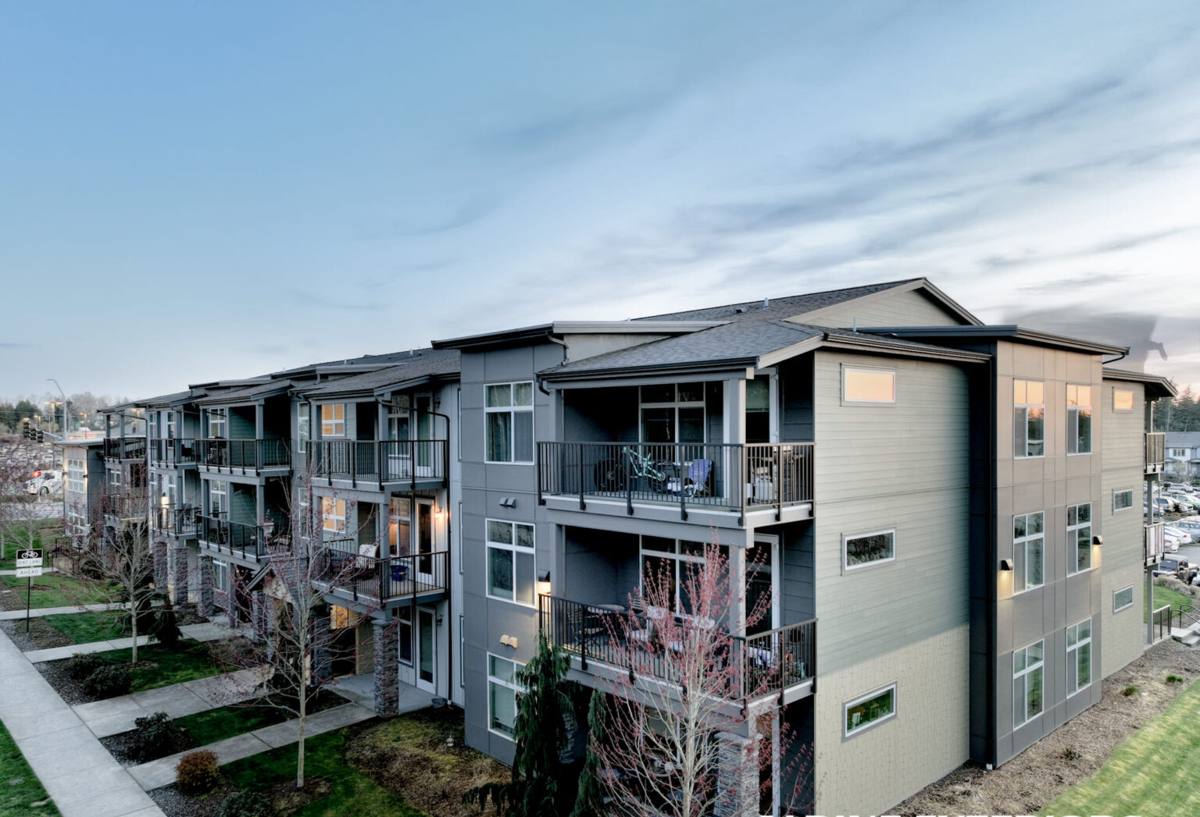
What Happy Valley's Climate Actually Does to Siding
Salt Air
Proximity to Puget Sound and the Salish Sea means airborne salt is a real factor for homes throughout this part of Whatcom County, not just for waterfront properties. Salt accelerates corrosion on fasteners, trim, and any metal flashing components, and it can degrade certain paint and coating systems faster than the manufacturer's stated service life would suggest inland.
Driving Rain
Whatcom County doesn't just get a lot of rain — it gets a lot of wind-driven rain, which behaves differently than a straight vertical downpour. Wind-driven rain gets forced sideways and upward into laps, seams, and penetrations that would stay dry in calmer weather. This is why the water-resistive barrier and flashing details behind the siding matter as much as the siding material itself.
Moss and Algae Season
Shade, moisture, and mild temperatures make Whatcom County an ideal environment for moss and algae growth on north-facing and shaded wall sections. Beyond the appearance issue, sustained moss growth holds moisture against the siding surface for long periods, which shortens the life of moisture-sensitive materials and can trap water at seams and butt joints.
What a Correct Siding Installation Involves
Siding failures in this region are rarely about the siding panel itself splitting or cracking on its own — they're almost always about what's happening behind it. A correct installation addresses the whole wall assembly, not just the visible surface.
- A continuous, properly lapped water-resistive barrier installed shingle-style so water sheds outward at every seam
- Correct flashing at windows, doors, roof-to-wall intersections, and any wall penetration
- Proper fastener type, spacing, and depth for the specific siding product, following manufacturer installation instructions rather than generic practice
- Adequate clearance between the bottom of the siding and grade, decks, roofs, and paved surfaces to prevent wicking
- Correct gaps at butt joints and trim to allow for material movement without forcing water behind the cladding
- Field-cut edges sealed or primed according to the product's specification, especially on fiber cement
Skip any one of these and the home can look fine for a year or two before problems show up as staining, soft trim, or moisture behind the wall — often well after the original crew is gone.
Why We Install Only James Hardie Fiber Cement
We made a deliberate decision to stop installing vinyl, LP SmartSide, cedar, and primed spruce siding, and to install James Hardie fiber cement exclusively. Each of those alternatives does something well, but each also carries a real trade-off that matters more in a climate like this one than it might elsewhere.
Vinyl is inexpensive and low-maintenance, but it can warp or distort under sustained heat exposure and its seams and J-channels are a common path for wind-driven rain to get behind the wall if not detailed carefully. LP SmartSide is an engineered wood product — it performs well when kept properly sealed and maintained, but any breach in the factory coating exposes wood fiber that can swell or deteriorate faster in a wet, mossy climate than fiber cement will. Cedar and primed spruce are attractive and traditional, but they require an ongoing maintenance schedule — recoating, caulking, and moisture checks — that most homeowners underestimate until the first signs of rot appear.
James Hardie fiber cement is non-combustible, dimensionally stable in wet-dry cycling, and comes with a factory-applied ColorPlus finish that's engineered to hold color and resist the kind of moisture and UV exposure this region delivers. Hardie also builds climate-specific HZ product lines, so the material specified for a Pacific Northwest install is engineered differently than what ships to a hot, dry climate. That's the kind of climate-matching we want behind our work, and it's backed by a warranty structure that's transferable if the home sells.
Material Comparison for a Climate Like Whatcom County's
| Material | Moisture Behavior | Moss/Algae Resistance | Salt Air Durability | Maintenance |
|---|---|---|---|---|
| James Hardie Fiber Cement | Dimensionally stable, doesn't swell or rot | Factory finish resists staining; surface can still be power-washed as needed | Non-combustible, stable material; fasteners/trim still need corrosion-resistant hardware | Low — occasional wash, no recoating |
| Vinyl | Can trap moisture behind panels if seams/flashing are imperfect | Prone to surface staining in shaded, damp areas | Can become brittle over time; color can fade | Low, but panels can't be spot-repaired invisibly |
| LP SmartSide (Engineered Wood) | Wood-based; performs well if coating stays intact, vulnerable if breached | Susceptible to moisture-related swelling if moss holds water at seams | Coating can degrade faster near salt air over time | Moderate — coating and caulking need periodic attention |
| Cedar / Primed Spruce | Natural wood; absorbs and releases moisture, prone to warping/rot if unmaintained | Needs regular treatment to resist moss and mildew | Requires diligent sealing near salt exposure | High — recoating and caulk maintenance on a recurring schedule |
Our Process for a Happy Valley Siding Installation
1. On-Site Assessment
We start by walking the exterior with the homeowner, looking at existing siding condition, moss and moisture patterns, trim and flashing condition, and any areas where water has clearly been getting behind the wall. This tells us whether it's a straightforward re-side or whether sheathing repair is needed first.
2. Tear-Off and Sheathing Check
Old siding comes off and the sheathing underneath gets inspected before anything new goes up. In a wet climate, this step catches problems — soft sheathing, hidden rot around old penetrations — that would otherwise get sealed behind a new wall for years.
3. Water-Resistive Barrier and Flashing
This is the step that determines how the home performs in driving rain, and we don't shortcut it. Barrier laps, window and door flashing, and roof-to-wall transitions are installed to shed water outward at every layer.
4. James Hardie Installation to Manufacturer Spec
Panels or planks are installed with the fastener schedule, gapping, and clearances James Hardie specifies for this climate zone, including cut-edge treatment where the factory finish has been exposed.
5. Trim, Caulking, and Final Walkthrough
Trim details and caulking are finished, and we walk the exterior with the homeowner to review the completed work before calling the job done.
Signs a Happy Valley Home May Need New Siding
- Persistent moss or dark streaking that returns quickly after cleaning
- Soft or spongy spots when pressing on siding or trim, especially near the bottom edges
- Visible warping, buckling, or gaps that have widened over a season or two
- Peeling or bubbling paint, particularly on wood or engineered wood siding
- Interior signs like musty odor or staining on walls that share an exterior wall
- Rising heating costs that can't be explained by anything else, suggesting compromised insulation behind the siding
Why Hiring a Crew That Already Works in Happy Valley Matters
Siding installation isn't a one-size-fits-all trade. A crew that regularly works Whatcom County's coastal-influenced neighborhoods already knows to check for salt-air corrosion on fasteners, to detail flashing for wind-driven rain rather than just vertical rain, and to expect moss buildup on shaded elevations rather than treating it as a surprise. That local pattern recognition shows up in the details — the flashing choices, the fastener selection, the clearances left at grade — long before a problem would otherwise surface.
It also matters for accountability. A contractor working steadily in this area has a reputation to protect with neighbors and repeat referrals, which is a different incentive than a crew passing through for one job and moving on.
What This Costs and What Affects the Price
Every home is different, and we don't quote sight unseen, but a few factors consistently move the price on a Happy Valley siding project.
| Factor | Why It Matters |
|---|---|
| Sheathing condition | Hidden rot or moisture damage found during tear-off requires repair before new siding goes on |
| Home size and wall complexity | More corners, gables, and penetrations mean more flashing and cutting labor |
| Siding profile and trim style | Lap width, panel style, and trim detailing affect material and labor cost |
| Existing siding removal | Multiple layers of old siding or difficult removal adds time |
| Access | Steep grades, tight setbacks, or multi-story sections affect scaffolding and labor time |
If you're weighing a siding replacement for a Happy Valley home, we're happy to take a look and give you a straightforward, no-pressure estimate — no obligation, just an honest read on what your home actually needs. Use the form below to get started.