 Whatcom County
 Fairhaven sits close enough to the water that its homes take a different kind of beating than siding a few miles inland. Salt-laden air off Bellingham Bay, wind-driven rain that finds every gap in a wall assembly, and a moss season that can stretch from October into May all combine to shorten the life of the wrong siding material — and accelerate hidden rot behind siding that looks fine from the curb. If you're researching siding replacement for a Fairhaven home, the climate here should shape almost every decision you make, from the product you choose to how the crew details the water management behind it.
Why Fairhaven's Climate Is Harder on Siding Than Most of Whatcom County
Every home in Whatcom County deals with Pacific Northwest rain, but Fairhaven's proximity to the water adds a layer most inland neighborhoods don't contend with. Salt air is mildly corrosive to exposed metal fasteners, flashing, and trim, and it accelerates the breakdown of paint films and lower-grade composite sidings faster than you'd see even a few miles east. Combine that with near-constant humidity and a marine layer that keeps north- and west-facing walls damp for days at a time, and you get ideal conditions for moss, algae, and mildew to take hold on any siding surface that isn't engineered to shed moisture and resist organic growth.
The practical result: sidings that perform adequately in drier parts of the country — or even in less exposed parts of the county — can underperform in Fairhaven. Paint fails early. Seams and butt joints that aren't sealed correctly wick water. Moss gets a foothold in horizontal laps and never really leaves. None of this is unique to one brand or one house; it's a function of the site conditions, and it's why the material and the installation detailing matter more here than in a lot of places.
What This Means for a Replacement Project
When we look at a Fairhaven siding job, we're not just matching color and profile to the house next door. We're thinking about which elevations take the most weather, where the existing water-resistive barrier and flashing have likely failed, and whether the siding going back up will actually hold its finish and resist moss for the long haul — not just for the first few years.
What Correct Siding Replacement Actually Involves
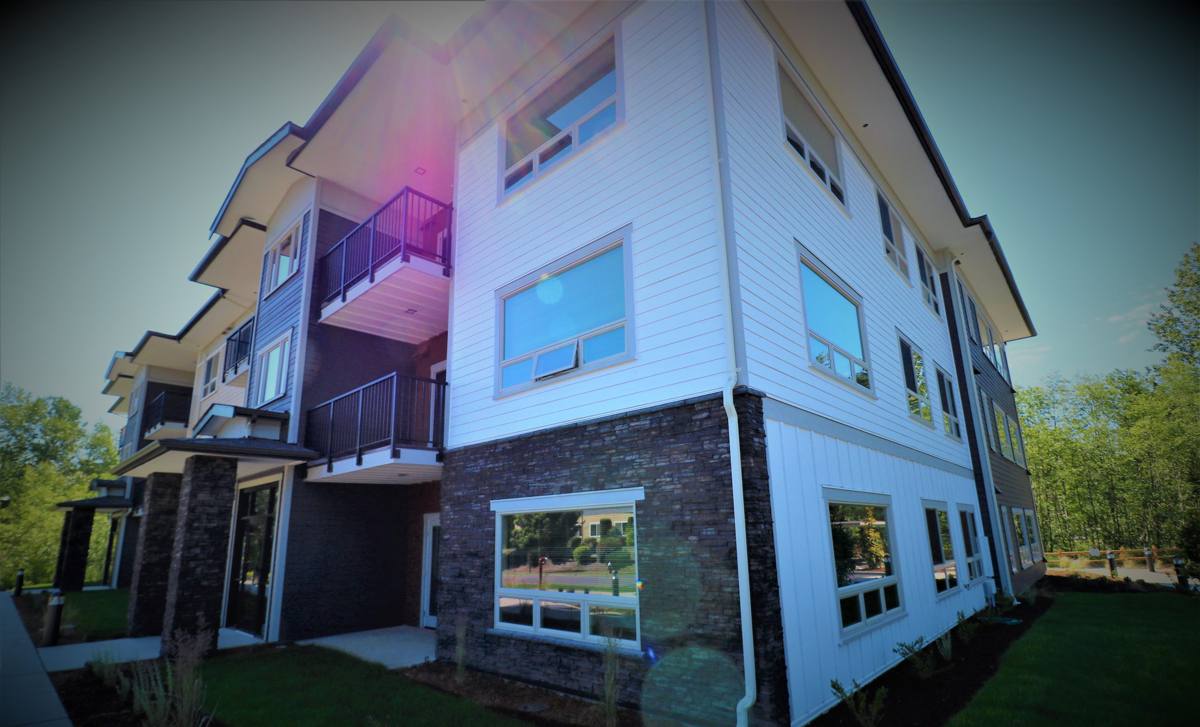
Replacing siding is not a cosmetic swap. Done right, it's a full inspection and repair of everything the old siding was covering, followed by a properly sequenced installation. Skipping steps is the single biggest reason siding fails early — and it's invisible until it isn't.
Tear-Off and Inspection
Once the old siding comes off, we inspect the sheathing, framing, and any existing house wrap or building paper. In a marine-exposed neighborhood like Fairhaven, it's common to find soft or delaminated sheathing around old window and door flashing, particularly on walls that face prevailing wind and rain. This is the point where problems get fixed — not covered back up.
Water Management Comes First
A correctly installed water-resistive barrier, properly lapped and taped, along with new flashing at every window, door, and horizontal trim transition, does more to protect a Fairhaven home than the siding material itself. Siding is the visible layer, but it's the drainage plane behind it that actually keeps water out of the wall assembly over time.
Siding Installation to Manufacturer Spec
Fastener spacing, clearance from grade and roof lines, proper caulking at butt joints, and factory-recommended gaps for expansion all matter. This is also where the choice of material has real consequences — some sidings are far less forgiving of minor installation deviations than others, especially in a wet climate.
Why We Install Only James Hardie Fiber Cement
We standardized on James Hardie fiber cement siding for every home we side, including in Fairhaven, and we don't install vinyl, LP SmartSide, or other composite or wood-based products. That's not a marketing position — it's a decision built around what actually holds up in this climate.
Fiber cement is non-combustible, doesn't absorb water the way wood-based composites can, and doesn't warp, crack, or become brittle in prolonged damp conditions the way vinyl can over decades of sun and salt exposure. James Hardie's ColorPlus factory finish is baked on under controlled conditions, which gives it better fade and moisture resistance than field-applied paint — a meaningful advantage in a neighborhood where paint failure from salt air and humidity is a real, recurring problem. Hardie also offers HZ5 product lines engineered specifically for harsher, wetter climate zones, which fits Fairhaven's exposure better than a one-size-fits-all product.
We're not going to tell you every other siding product is worthless — vinyl is inexpensive and low-maintenance in mild climates, and engineered wood siding has real fans for its look and weight. But we've made a professional call that the trade-offs of those products — moisture sensitivity, shorter finish life, or installation sensitivity to the wet, salty conditions here — aren't worth it on the homes we put our name on. Fiber cement, installed correctly, is the product we're willing to warranty and stand behind long-term in this specific environment.
Moss, Algae, and the Long Wet Season
Whatcom County's moss season is long, and Fairhaven's humidity keeps shaded and north-facing walls damp longer than sunnier parts of the county. Moss itself doesn't just look bad — it holds moisture against the siding surface and can accelerate deterioration of the wrong materials, and it can work into caulk lines and seams if those aren't detailed correctly during installation.
- Proper lap spacing and drainage gaps behind the siding reduce standing moisture
- Correctly caulked and sealed joints keep moss and algae from taking root in seams
- A factory finish that resists organic growth better than field-applied paint reduces how often you're scrubbing or repainting
- Trim and soffit details that direct water away from siding faces limit the shaded, damp conditions moss needs to establish
Signs a Fairhaven Home Needs Siding Replacement
Not every siding problem means a full replacement, but in a marine climate, some warning signs shouldn't wait.
- Soft or spongy siding, especially near the bottom courses or around windows
- Persistent moss or algae that returns within a season of cleaning
- Paint that's peeling, bubbling, or chalking well before you'd expect
- Visible warping, cupping, or separation at seams and butt joints
- Interior signs like peeling paint, musty smells, or soft drywall near exterior walls
- Siding that's original to a home built more than 20-25 years ago
Cost Factors for Siding Replacement in Fairhaven
Every home is different, so we won't quote a number without seeing the house, but these are the factors that actually move the price on a Fairhaven project.
| Factor | Why It Matters Here |
|---|---|
| Sheathing/framing repair | Marine exposure increases odds of hidden moisture damage found at tear-off |
| Home size and elevation exposure | Wind- and rain-exposed walls may need extra flashing detail work |
| Trim and detail complexity | Corners, window surrounds, and gable details add labor and material |
| Siding profile and finish choice | Lap width, texture, and ColorPlus finish selection affect material cost |
| Access and site conditions | Older Fairhaven lots and tighter setbacks can affect staging and labor time |
Our Process for a Fairhaven Siding Replacement
1. On-Site Assessment
We walk the exterior, look at drainage patterns, check the most exposed elevations, and talk through what we expect to find once tear-off starts.
2. Written Scope and Estimate
You get a clear breakdown of what's included — tear-off, repair allowances, water-resistive barrier, flashing, and the Hardie product and finish selected — before any work starts.
3. Tear-Off and Repair
We remove the old siding, inspect and repair sheathing and framing as needed, and address any water-resistive barrier issues before anything new goes up.
4. Installation to Spec
Fastening, flashing, and joint sealing are done to James Hardie's installation requirements, not shortcuts — this is what protects the warranty and the performance of the siding long-term.
5. Final Walkthrough
We walk the finished job with you, point out the details we addressed, and make sure you know what routine maintenance — if any — the finish requires going forward.
Why Local Experience in Fairhaven Matters
A crew that's worked in Fairhaven before already knows what to expect when the old siding comes off — where moisture tends to have done its damage, how the marine layer affects scheduling and drying time between steps, and which elevations need the most attention to flashing and drainage. That's not something a contractor coming from a drier or less exposed part of Whatcom County will necessarily anticipate on their first job here. Experience in this specific microclimate shows up in fewer surprises mid-project and a better result once the siding's back on.
If you're weighing siding replacement for a home in Fairhaven, we're happy to take a look and give you an honest read on what your house needs — no pressure, no obligation. Request a free estimate below and we'll walk the exterior with you and talk through what correct, climate-appropriate siding replacement looks like for your home.