 Whatcom County
 Windows Built for Silver Beach's Conditions, Not a Catalog
Silver Beach sits along Lake Whatcom on the edge of Bellingham, and it has its own weather personality within Whatcom County. The tree canopy is heavier here than in a lot of surrounding neighborhoods, the lake keeps humidity up longer into the day, and the terrain funnels wind and driving rain against certain elevations more than others. Add in the broader Whatcom County pattern of salt-laden air moving in off Puget Sound, long wet stretches through fall and winter, and a moss season that seems to start earlier every year, and you get a set of conditions that are genuinely hard on window frames, seals, and glazing.
A window that's fine in a drier inland climate can start failing here years ahead of schedule — fogging between panes, swelling wood sashes, or seals that give out under constant damp-dry cycling. Custom windows done right for Silver Beach means matching the unit, the flashing detail, and the installation method to what this specific spot actually deals with, not just ordering whatever's standard-issue.
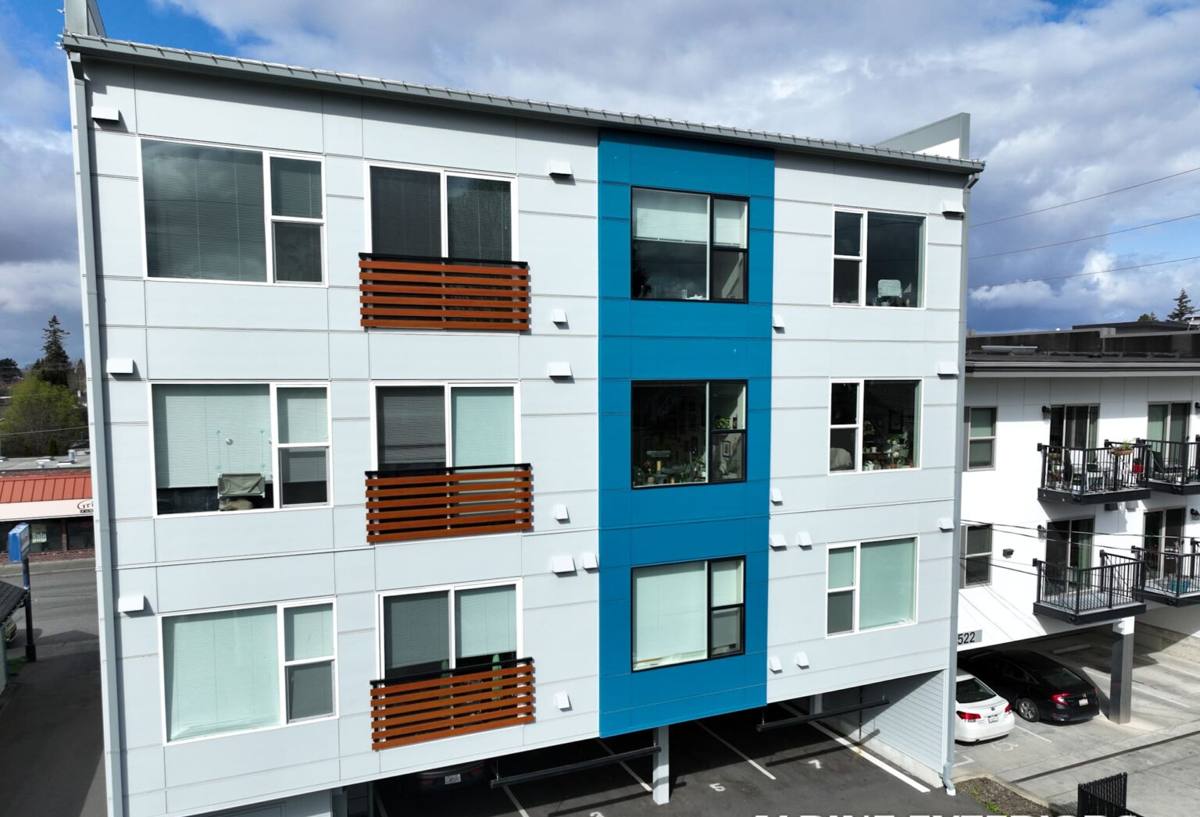
What Local Homes Actually Need From a Window
Most of the homes around Silver Beach were built across a wide range of decades, which means window openings, wall assemblies, and existing trim details vary a lot from house to house. A few things hold true across nearly all of them:
- Weather-tight seals that can handle repeated saturation without breaking down — not just a good seal on install day, but one that holds up over years of wet-dry cycling.
- Frame materials that resist moisture absorption and don't feed mold or mildew growth in shaded, humid spots.
- Proper flashing and drainage so water that does get behind the trim has somewhere to go instead of sitting against the framing.
- Glass and gas-fill packages that cut down on condensation on the interior side during cold, damp mornings — a common complaint in lake-adjacent homes.
- Hardware that won't corrode or seize from the ambient moisture, especially on windows that don't get opened often.
None of this is exotic. It's just paying attention to the fact that a window here spends more of the year damp than dry, and building the installation around that reality.
What a Correct Installation Actually Involves
Removing the Old Unit Without Creating New Problems
Pulling an old window out is where a lot of hidden damage gets found — soft framing, old caulk that's done nothing for years, or insulation that's absorbed moisture and stopped doing its job. A correct process means stopping to address what's found, not just setting a new window into a rough opening that's already compromised.
Flashing and Water Management
This is the part that matters most and shows the least once the trim goes back on. Proper flashing tape and a drainage plane that directs water down and out — never trapped behind the siding — is the difference between a window that lasts and one that causes a rot problem five years down the road. In a wet climate like this, corners cut here show up as damage, not just inconvenience.
Air Sealing and Insulation
Low-expansion foam or backer rod and sealant around the frame, sized correctly for the gap, keeps drafts and moisture out without bowing the frame — over-foaming a window is a common mistake that causes frames to bind or bow over time.
Fit, Level, and Operation
A window that's shimmed correctly and squared up operates smoothly for its whole lifespan. One installed slightly out of square will bind, wear its hardware faster, and let more air and water past the seals — problems that get worse, not better, with time.
Material and Glass Options Compared
There's no single "best" window material — the right call depends on the specific opening, sun exposure, budget, and how much upkeep a homeowner wants to take on. Here's how the common options stack up for a damp, moss-prone climate like Silver Beach's:
| Frame Material | Moisture Resistance | Maintenance | Typical Fit |
|---|---|---|---|
| Vinyl | Very good — won't rot or absorb moisture | Low; occasional cleaning | Most budgets, most home styles |
| Fiberglass | Excellent — very stable in wet/dry cycling | Low | Higher-end replacements, larger openings |
| Wood-clad (exterior clad, wood interior) | Good on the exterior side if clad and detailed correctly; interior wood needs protection from condensation | Moderate | Homes prioritizing a traditional wood interior look |
| Solid wood (unclad) | Poor in this climate without diligent, ongoing maintenance | High | Historic restorations where matching is the priority |
| Aluminum | Fair — prone to condensation without thermal breaks | Low | Specific architectural or commercial-style applications |
For most Silver Beach homes, we steer people toward vinyl or fiberglass for the bulk of the house, reserving wood-clad units for spots where the look genuinely matters, like a front-facing living area. We're honest with clients about solid wood: it can look great, but it demands a maintenance commitment that most people underestimate in a climate this wet, and we'd rather set that expectation up front than sell a product that becomes a headache.
Our Process, Start to Finish
- On-site assessment. We look at every opening individually — sun exposure, current condition, drainage path, and how the existing wall assembly is holding up.
- Straightforward quote. Line-item pricing on materials, labor, and any framing repair we expect to find, so there are no surprises mid-job.
- Scheduling around weather. Window openings are exposed during the swap. We plan installs around dry windows in the forecast and work efficiently to minimize the time any opening sits open.
- Removal and inspection. Old units come out, and we inspect the framing before anything new goes in.
- Flashing, install, and seal. Correct flashing sequence, squared installation, and sealing done to hold up under this climate's wet cycles.
- Trim and cleanup. Interior and exterior trim finished to match, site cleaned, old units hauled off.
- Walkthrough. We go over operation and any care notes specific to the materials installed.
Cost Factors Worth Understanding
Every home is different, so we don't quote sight unseen — but these are the variables that actually move the number, in rough order of impact:
| Factor | Why It Matters |
|---|---|
| Number and size of openings | Larger and more numerous windows mean more material and labor |
| Frame material chosen | Vinyl is generally the most budget-friendly; fiberglass and wood-clad cost more upfront |
| Condition of existing framing | Rot or moisture damage found during removal adds repair time before the new window can go in |
| Glass package | Upgraded low-E coatings or triple-pane glass add cost but can meaningfully cut condensation and drafts |
| Access and second-story work | Harder-to-reach openings take longer and may need additional equipment |
| Trim and finish work | Matching existing trim profiles or doing custom interior finish adds time |
As a broad range, homeowners in this area typically see per-window costs from the low hundreds into the low thousands depending on size and material — but the only honest number is one based on an actual look at your openings.
Signs Your Current Windows Are Already Failing
Because damage from moisture builds slowly, a lot of homeowners don't notice a problem until it's significant. Worth checking for:
- Fogging or moisture trapped between panes of double-pane glass — a sign the seal has failed
- Visible gaps, drafts, or a change in how easily heating/cooling maintains temperature near the window
- Soft or discolored wood trim around the frame, inside or out
- Difficulty opening, closing, or locking a window that used to operate smoothly
- Moss or dark staining building up on the sill or lower frame
- Visible daylight or drafts around the frame edge when the window is closed
Any one of these on its own might just mean that window needs attention. Several at once, especially on the same side of the house, usually points to a bigger moisture or installation issue worth having looked at.
Why It Matters to Hire a Crew That Already Works Silver Beach
Window installation isn't identical everywhere. A crew that's used to a dry inland climate will make different, and sometimes wrong, assumptions about how much sealing, flashing, and drainage detail a given opening actually needs. Working consistently in and around Silver Beach and the rest of Whatcom County means we already know what this humidity and rain pattern does to a wall assembly over time, what a shaded, moss-prone opening needs versus a south-facing one, and how the lake's microclimate compares to conditions just a few miles away in downtown Bellingham or out toward the coast. That local pattern recognition is what keeps a window install from becoming a callback.
Living With New Windows in This Climate
Even a well-installed window benefits from a little seasonal attention here. A quick annual check of the exterior caulk lines, keeping gutters and downspouts clear so water isn't sheeting down over the window head, and wiping down sills where moss or algae tends to collect will keep a good installation performing the way it should for its full lifespan. We're glad to point out anything specific to your home during the estimate or the final walkthrough.
If you're weighing a window replacement or repair for a home in Silver Beach, we're happy to take a look and give you a straight answer about what your openings actually need — no pressure, no upsell. The estimate form below is the easiest way to get started.