 Whatcom County
Asphalt Shingle Roofing Built for South Hill's Weather
South Hill homes sit close enough to the water and the marine air pattern that moves through Whatcom County to take a specific kind of beating: salt-laden wind, long stretches of driving rain, and a moss season that can run from fall through spring. Asphalt shingle roofing is still the right call for most homes here — it's cost-effective, repairable, and available in products rated for wind and impact — but only if it's specified and installed with this climate in mind. A shingle roof that would be fine in a dry inland climate can underperform badly in South Hill if the underlayment, ventilation, and edge details aren't matched to what this area actually throws at a roof.
We work on roofs throughout Whatcom County, and South Hill's mix of tree cover, elevation, and proximity to moisture-heavy air means we treat every job here a little differently than a roof further inland. This page covers what that actually looks like.
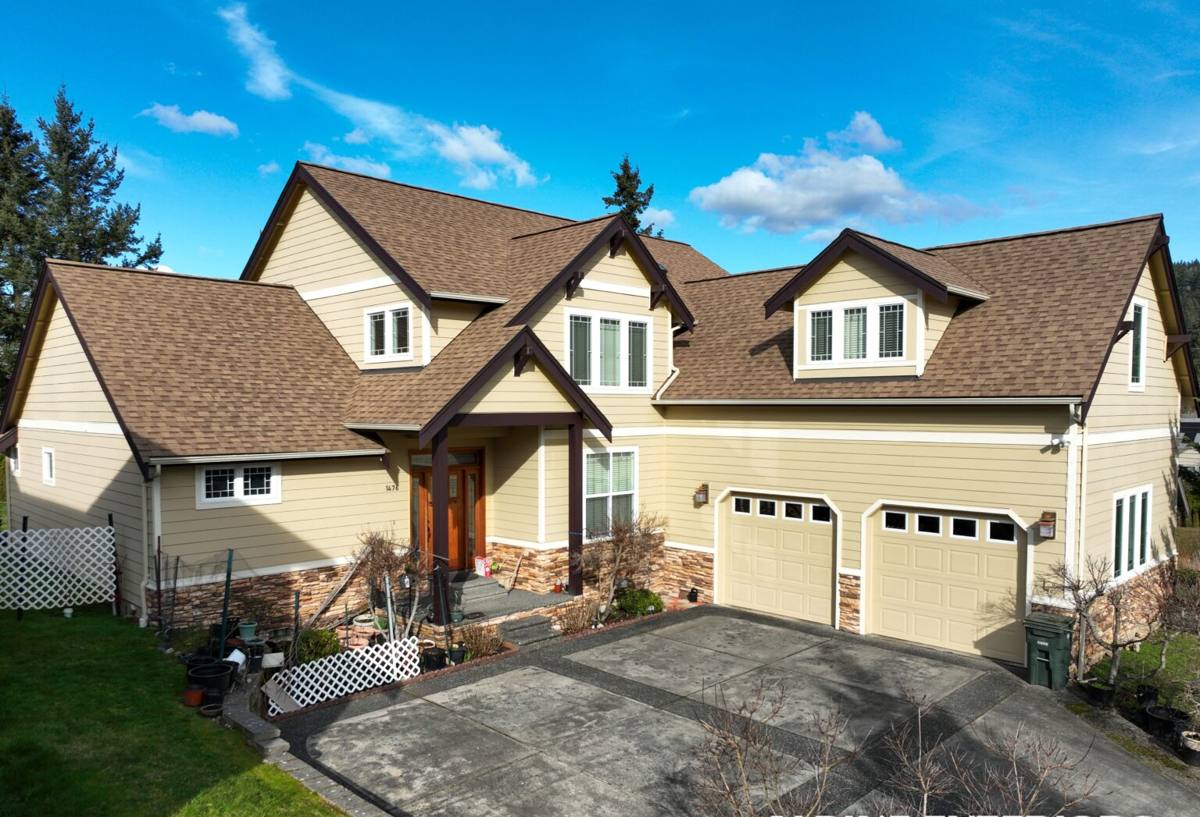
What Salt Air, Rain, and Moss Do to a Shingle Roof
Salt Air
Airborne salt doesn't just affect homes right on the waterfront — it travels with the wind and settles on roofing, flashing, and fasteners well inland. Over years, it accelerates corrosion on exposed metal: nail heads, drip edge, valley flashing, and vent flashing all age faster than they would in a dry climate. Cheap or under-spec'd fasteners and flashing are usually the first thing to fail on a coastal-influenced roof, long before the shingles themselves wear out.
Driving Rain
Whatcom County doesn't just get rain — it gets wind-driven rain that hits roofs at an angle instead of falling straight down. That matters because it pushes water sideways under shingle tabs, into valleys, and around penetrations like pipe boots and skylights. A roof that relies only on the shingles themselves to shed water, without a properly detailed underlayment system underneath, will eventually leak at these vulnerable points even if the shingles look fine from the ground.
Moss
Shade, moisture, and cool temperatures are exactly what moss needs, and South Hill has all three for much of the year. Moss isn't just a cosmetic problem — as it grows, it holds moisture against the shingle surface, lifts tabs, and works its way under the shingle edge, which speeds up granule loss and shortens the life of the roof. Roofs with north-facing slopes, tree overhang, or limited sun exposure are the ones we see moss problems on most often in this area.
What a Correctly Installed Shingle Roof Includes
A shingle roof is a system, not just a layer of shingles nailed to plywood. For South Hill's conditions, we pay particular attention to:
- Ice-and-water shield at vulnerable areas — valleys, eaves, and around penetrations, where wind-driven rain and moss-related water intrusion are most likely to find a way in
- Synthetic underlayment across the full roof deck as a second line of defense beneath the shingles, rather than relying on the shingles alone
- Corrosion-resistant flashing and fasteners rated for coastal or marine-influenced exposure, not standard-grade hardware that will pit and rust prematurely
- Balanced attic ventilation (intake at the eaves, exhaust at the ridge) so trapped moisture from the inside doesn't condensate on the underside of the deck and cause rot from within
- Proper valley and flashing details at every roof-to-wall transition, chimney, and skylight, since these are the highest-leak-risk parts of any roof
- Shingle products with algae/moss resistance where the roof's exposure and slope orientation call for it
Skip any one of these and the roof may still look correct for a few years — the failures from wind-driven rain and moss tend to show up gradually, not immediately, which is part of why they get overlooked on lower-quality installs.
Repair, Recover, or Full Replacement — How We Decide
Not every roofing problem in South Hill needs a full tear-off. We look at the age of the existing roof, the condition of the decking underneath, how widespread the damage or moss coverage is, and whether the underlayment and flashing are still doing their job.
| Situation | Typical Approach | Why |
|---|---|---|
| Isolated leak, roof under 10-15 years old | Targeted repair | Deck and underlayment are likely still sound; the problem is usually a flashing or fastener failure |
| Moss buildup, shingles otherwise intact | Moss treatment and cleaning, plus a maintenance plan | Removing moss without damaging shingles can extend the roof's remaining life significantly |
| Widespread granule loss, curling, or brittle shingles | Full replacement | The shingles have reached the end of their service life; patching won't address the underlying wear |
| Soft or stained decking found during inspection | Full tear-off with deck repair | Water has already reached the wood; covering it over with new shingles won't fix the source |
We'll always tell you honestly which category your roof falls into rather than defaulting to the most expensive option.
Choosing Shingles for a South Hill Roof
Not all asphalt shingles are built the same, and for this climate the differences matter more than they would in a drier region.
- Architectural (laminated) shingles generally outperform older-style three-tab shingles in wind resistance and lifespan, which matters given how much wind-driven rain this area gets
- Algae-resistant shingles (often marketed with copper or zinc granules) help slow moss and algae growth on shaded or north-facing slopes, which are common trouble spots in South Hill
- Wind ratings should be matched to your roof's exposure — a roof with open exposure to weather off the water benefits from a higher wind rating than the manufacturer's base product
- Warranty structure varies by manufacturer and tier; we walk homeowners through what's actually covered (materials only vs. materials-and-labor) rather than letting the warranty length alone drive the decision
We don't push a single brand as the answer for every roof. The right shingle depends on your home's slope, sun exposure, and how much tree cover surrounds it — all things we assess on-site rather than guessing from a truck.
Our Process
1. On-Site Inspection
We walk the roof (or inspect from a ladder and vantage points where access is limited), check the attic for ventilation and moisture signs, and look at flashing, valleys, and any areas with moss or wear.
2. Honest Assessment
You get a clear explanation of what we found — what's urgent, what can wait, and what your realistic options are. No pressure to replace a roof that just needs a repair.
3. Written Estimate
A detailed, itemized estimate so you know what's included: tear-off (if applicable), underlayment type, flashing, ventilation work, and shingle product.
4. The Work
Tear-off and disposal, deck inspection and repair as needed, underlayment and flashing installed to spec for this climate, then the shingle install itself with attention to nailing pattern and exposure — details that affect both wind performance and warranty validity.
5. Final Walkthrough
We review the finished roof with you, including ventilation and any moss-prevention steps, before considering the job done.
Maintenance That Actually Extends a Shingle Roof's Life in This Area
- Have moss removed by a professional rather than pressure-washed — pressure washing strips granules and shortens shingle life
- Keep gutters and valleys clear of needles and debris, especially under overhanging trees, since clogged valleys are where wind-driven rain backs up under shingles
- Trim back branches that keep a section of roof shaded and damp longer than the rest
- Have flashing and fasteners checked periodically, since corrosion from salt air is often invisible from the ground until it fails
- Schedule a roof inspection after major windstorms, which are common enough in this region to loosen or lift shingles without an obvious leak showing up right away
Why Local Experience on This Roof Type Matters
A shingle roof installed by a crew unfamiliar with South Hill's specific mix of moss exposure, salt air, and wind-driven rain can look correct on the day it's finished and still underperform within a few years. We work on roofs across Whatcom County regularly enough to know which slopes in this area tend to hold moss, which exposures need upgraded flashing hardware, and where standard installation details fall short of what this climate demands. That's the difference between a roof that needs attention again in five years and one that reaches its full expected lifespan.
If you're dealing with a leak, visible moss, aging shingles, or you're just planning ahead for a roof that's getting up in years, we're happy to come take a look. Reach out for a free, no-pressure estimate — use the form below to get started.