 Whatcom County
Roofing in Sunnyland Faces a Specific Set of Problems
Sunnyland sits close enough to Bellingham Bay that salt-laden air is a constant factor on anything metal, painted, or granulated on a roof. Add Whatcom County's long wet season, driving rain that comes in sideways off the water, and a moss season that can run eight or nine months out of the year, and you have a climate that is genuinely harder on a roof than most of the country deals with. A roof system that would be fine in a drier, calmer climate can fail early here if it wasn't designed with these conditions in mind.
This page is about roof replacement specifically for homes in and around Sunnyland — what the local climate demands, what a correct job actually involves, and why the crew doing the work matters as much as the materials they install.
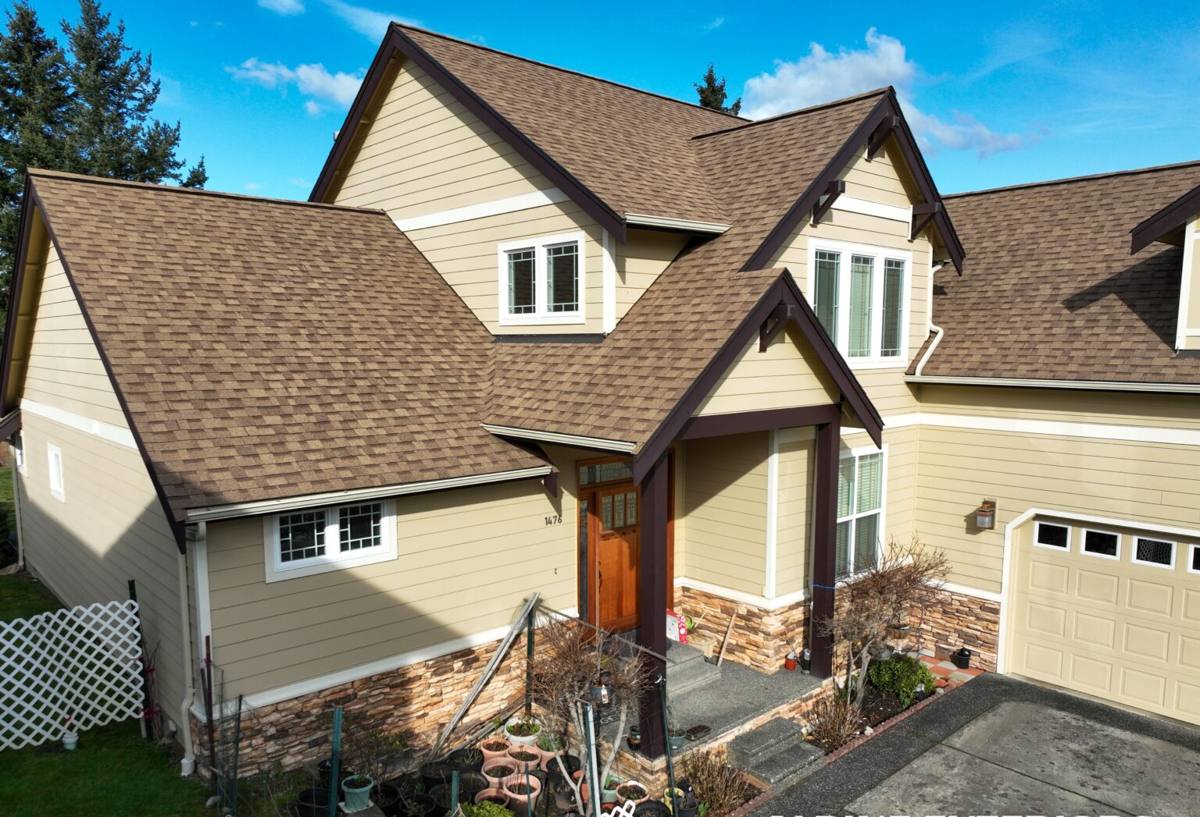
How Salt Air, Rain, and Moss Actually Damage a Roof
Salt Air
Airborne salt accelerates corrosion on exposed metal — flashing, fasteners, vent stacks, gutters — and it can shorten the life of lower-grade metal components faster than inland homes ever experience. It doesn't ruin asphalt shingles directly, but it does mean every metal component on the roof needs to be chosen with corrosion resistance in mind, not just cost.
Driving Rain
Whatcom County rain rarely falls straight down. Wind-driven rain gets pushed up under shingle tabs, around chimney flashing, and into any gap in the underlayment that would never see water in a calmer climate. This is why underlayment quality and flashing detail work matter more here than the shingle brand printed on the wrapper.
Moss and Algae
Shade, moisture, and mild temperatures are exactly what moss wants, and Sunnyland's tree cover and marine humidity give it plenty of both. Moss holds moisture against the roof deck, lifts shingle edges as it grows, and — if left unchecked for years — can work its way into the roofing material itself and shorten the roof's life well before it should need replacing.
Signs a Sunnyland Roof Needs Replacement, Not Just Repair
- Granule loss heavy enough that you can see bare, shiny patches on the shingle surface
- Moss growth that comes back within a season or two of cleaning, even after treatment
- Curling, cupping, or cracked shingles across large sections rather than one isolated spot
- Soft or spongy decking felt when walking the roof, a sign moisture has reached the plywood
- Daylight visible through the attic roof boards, or water stains on interior ceilings
- A roof already past 20-25 years old for asphalt, especially one that's never had ventilation upgrades
A single missing shingle or one leaking spot around a vent is usually a repair. Widespread granule loss, repeat moss return, or decking damage is where replacement starts making more financial sense than continuing to patch.
What a Correct Roof Replacement Involves
Tear-Off and Deck Inspection
A proper replacement starts with a full tear-off to bare decking, not a layover. That's the only way to actually see the plywood or OSB underneath and catch soft spots or rot before they're sealed under a new roof for another 20+ years.
Underlayment and Moisture Barrier
Given how much wind-driven rain this area sees, we treat underlayment as a real line of defense, not a formality. That means synthetic underlayment across the field and self-adhering ice-and-water shield membrane at the vulnerable points — eaves, valleys, chimneys, skylights, and any roof-to-wall transition — where wind-driven rain is most likely to find a way in.
Flashing Detail
Most leaks that show up years after a "new" roof trace back to flashing that was reused, undersized, or poorly sealed at the time of install. New step flashing, counterflashing, and valley metal — installed correctly, not just caulked — is standard on a proper job, not an upgrade.
Ventilation
A roof deck that can't breathe traps moisture, which feeds both rot and moss. Balanced intake and exhaust ventilation keeps the attic space drier and the underside of the roof deck healthier, which matters even more in a climate this wet.
Moss and Algae Defense
Where it fits the roof design, we install zinc or copper strips near the ridge, which release trace metal ions with the rain and help suppress new moss growth over time. It's not a substitute for occasional cleaning, but it meaningfully slows regrowth on a roof that's shaded or holds moisture.
Roofing Material Options for a Sunnyland Home
| Material | How It Handles Local Climate | Trade-Offs to Know |
|---|---|---|
| Architectural asphalt shingle | Good moisture and wind performance when properly installed; algae-resistant granule options help with moss/algae staining | Still needs periodic moss cleaning; lifespan shortened without good ventilation |
| 3-tab asphalt shingle | Budget option; adequate but less wind and moisture margin than architectural | Shorter lifespan in this climate, more prone to lifting in driving rain |
| Standing seam metal | Excellent water shedding on steep pitches; moss struggles to establish on smooth metal | Requires corrosion-resistant fasteners and coatings near the bay; higher upfront cost |
| Cedar shake | Traditional look; can suit older Sunnyland homes | Highest moisture and moss maintenance burden of any option here — we're upfront that this is a real ongoing commitment, not a knock on the material itself |
We don't push one material on every roof. The right call depends on the home's roof pitch, how much shade it gets, the homeowner's maintenance appetite, and budget. What we won't do is install a product whose moisture or maintenance trade-offs we haven't explained clearly first.
Our Roof Replacement Process
- On-site assessment. We walk the roof, check the attic, and look at drainage, shade patterns, and existing damage before recommending anything.
- Written estimate. Materials, scope, and price laid out plainly, with the trade-offs of each material option explained.
- Permit and scheduling. We handle the Whatcom County permit where required and schedule around the weather window, not just our calendar.
- Tear-off and deck repair. Old roofing removed, decking inspected, any soft or rotted sections replaced before anything new goes down.
- Underlayment, flashing, and ventilation install. The parts of the job that determine whether the roof actually holds up to driving rain over the next two decades.
- Final roofing material install. Installed to manufacturer specification, which is what keeps the material warranty valid.
- Cleanup and walkthrough. Magnetic sweep for debris, full site cleanup, and a walkthrough so you know what was done and what maintenance to expect.
What Roof Replacement Costs Depend On
| Factor | Why It Moves the Price |
|---|---|
| Roof size and pitch | More surface area and steeper pitches mean more material and more labor time/safety measures |
| Number of layers being removed | Tear-off of multiple existing layers takes longer and costs more in disposal |
| Decking condition | Rotted or soft plywood found during tear-off adds material and labor to repair before install |
| Material choice | Asphalt, metal, and cedar carry different material and labor costs, as shown above |
| Ventilation and flashing upgrades | Bringing an older roof's ventilation up to a proper standard adds some cost but pays off in roof lifespan |
| Access and roof complexity | Steep roofs, multiple valleys, dormers, or difficult access all add labor time |
We give a broad range on the first call and a firm number after the on-site look, once we know the actual condition of the deck and the roof's complexity. No homeowner should sign a contract based on a phone estimate alone.
Why a Local Whatcom County Crew Matters Here
A crew that works Sunnyland and the surrounding Whatcom County neighborhoods regularly has already seen how these specific conditions play out over time — which flashing details tend to fail first in this rain pattern, which north-facing or shaded roofs need extra moss attention, and how salt exposure near the bay affects metal components differently than it would twenty miles inland. That's not something a crew unfamiliar with the area picks up on the first job. It also means we're a known, reachable business if a warranty question or storm-related issue comes up years down the road, not a name that was here for one season and gone.
Checklist Before You Sign a Roof Replacement Contract
- Confirm the contractor is licensed and insured to work in Washington State
- Ask whether the quote includes full tear-off to bare decking, not a layover
- Confirm underlayment type and where ice-and-water membrane will be used
- Ask what happens if soft or rotted decking is found — is that a change order or already priced in
- Confirm flashing will be replaced, not reused or just re-caulked
- Ask about ventilation — is it being assessed and upgraded if needed
- Get the warranty terms in writing, both manufacturer and workmanship
- Confirm who pulls the permit and handles inspection
Maintenance After Your New Roof Goes On
Even a well-installed roof in this climate benefits from occasional attention. A gentle moss and debris check once or twice a year — especially heading into the wet season — keeps gutters clear and stops moss from getting a foothold before it becomes a bigger problem. Avoid pressure washing shingles directly, as it can strip granules and shorten the roof's life; a soft wash or manual clearing is the safer approach. Keeping overhanging branches trimmed back also cuts down on the shade and debris that feed moss growth in the first place.
If you're weighing repair versus replacement, or just want an honest look at where your roof actually stands, we're happy to come take a look. The estimate is free, there's no pressure attached to it, and you'll get a straight answer about what your roof needs — fill out the form below to get started.