 Whatcom County
Window Replacement in Cordata
Cordata sits on the north side of Bellingham, close enough to the water and the Nooksack lowlands that its homes take a steady beating from Whatcom County's marine climate. Salt-tinged air off Bellingham Bay, driving rain that comes in sideways during fall and winter storms, and a moss season that can stretch from October into May all work on window frames, sills, and seals year-round. If you've noticed fogged glass, sticking sashes, or a draft that no amount of caulk seems to fix, your windows are likely past the point where patching makes sense.
We work on homes throughout Cordata and the surrounding Bellingham area regularly, which means we already know what this climate does to different window materials and installation methods — and what actually holds up.
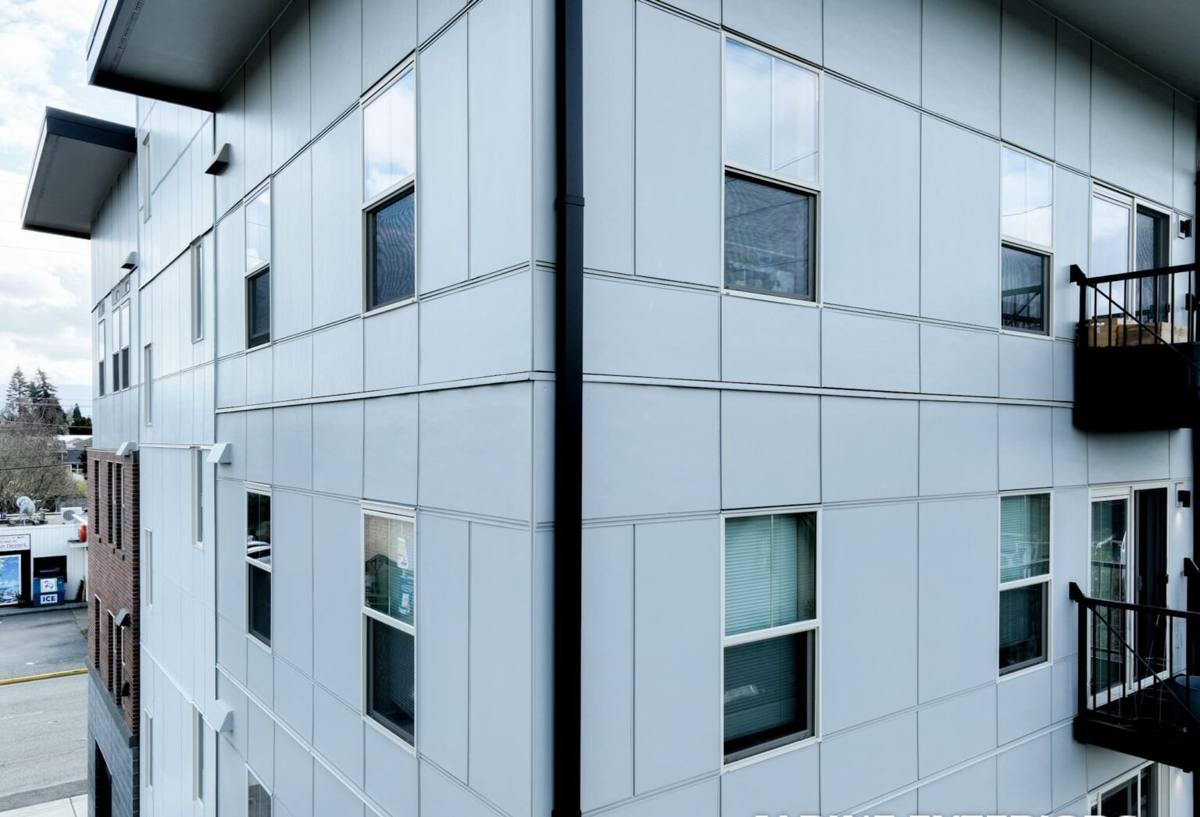
What Whatcom County's Climate Does to Windows
It's worth understanding the specific ways local weather attacks a window system, because it changes what "correct installation" actually means here.
Moisture Intrusion
Whatcom County gets a lot of low-intensity, long-duration rain rather than short heavy downpours. That means water has time to find its way into any gap in flashing, sealant, or trim — it doesn't need to be a hard storm to cause damage, just a wet week. Over years, that slow intrusion rots wood framing around the window opening long before the glass or sash itself fails.
Salt Air and Hardware Corrosion
Homes closer to the bay deal with airborne salt that accelerates corrosion on window hardware — hinges, locks, balances, and screen frames. Lower-grade hardware can start seizing up or pitting within a few years in this environment.
Moss and Organic Growth
Whatcom County's moss season isn't just a roof problem. Moss and algae take hold on north-facing sills, in window tracks, and in any spot that stays shaded and damp most of the year. That growth holds moisture against wood and vinyl surfaces and can work into weep holes and drainage channels, blocking the path water is supposed to take out of the window system.
Temperature Swings and Condensation
Cordata doesn't see extreme heat, but the gap between a cold, damp exterior and a heated interior in winter is enough to cause heavy condensation on older, single-pane or failed dual-pane windows. That condensation is often the first visible sign that a window's seal has already given out.
Signs It's Time to Replace, Not Repair
- Fog or moisture trapped between the panes of a dual-pane window (the seal has failed — this can't be fixed, only replaced)
- Windows that won't stay open, won't latch, or have visibly corroded hardware
- Soft or spongy wood at the sill or jamb when you press on it
- Visible daylight or a noticeable draft around the frame when it's closed
- Paint that keeps failing on the interior or exterior trim despite repainting
- A noticeable jump in heating costs with no other explanation
- Persistent moss, algae, or black staining in the tracks or on the sill that keeps coming back after cleaning
If you're only seeing one or two of these and the frame is still solid, repair or resealing may buy you more time. Once the frame itself is compromised, replacement is the honest answer — patching a rotten frame just delays a bigger repair later.
What a Correct Window Replacement Involves
Window replacement done right is mostly about what happens before and around the window unit, not just swapping glass. In a climate like this, the flashing and sealing details matter more than they would somewhere dry.
Assessing the Opening
Before anything goes in, we check the condition of the rough opening — the framing, sill, and sheathing behind the old window. If there's rot or water damage from years of moisture intrusion, that gets addressed first. Installing a new window into a compromised opening just sets up the same failure again.
Flashing and Weatherproofing
This is the step that matters most in Whatcom County's rain. Proper flashing tape and a correctly lapped weather-resistant barrier direct water down and away from the framing, not into it. Sill pans add another layer of protection at the point where water is most likely to collect. This is also where a lot of lower-cost installations cut corners, because it takes more time and doesn't show once the trim is back on.
Sealing and Insulation
Gaps around the window unit get properly insulated and sealed — not just caulked on the surface, but sealed at the point where the window frame meets the rough opening. This affects both drafts and long-term moisture control.
Hardware and Material Selection
Given the salt air and moisture exposure common in this area, we lean toward hardware and materials with better corrosion resistance and lower long-term maintenance. We'll walk through the honest trade-offs of each option for your specific home rather than pushing one product line.
Comparing Window Material Options for This Climate
| Material | How It Handles Local Climate | Maintenance | Typical Trade-offs |
|---|---|---|---|
| Vinyl | Resists moisture and corrosion well; doesn't rot | Low | Can look less premium; limited color/finish options on some lines |
| Fiberglass | Very stable in temperature swings and moisture; strong long-term performer here | Low | Higher upfront cost than vinyl |
| Wood (clad exterior) | Good insulator, but exterior wood is vulnerable to our rain and moss unless well-clad and maintained | Moderate to high | Requires more diligence to avoid the rot issues we're trying to solve |
| Aluminum | Prone to corrosion in salt-air exposure without quality coatings; poor insulator | Moderate | We generally don't recommend it for this area given the maintenance burden and heat loss |
There's no single "best" material for every home — it depends on your budget, the style of the house, and how much long-term maintenance you're willing to take on. We'll give you a straight answer on what fits your situation rather than a one-size-fits-all recommendation.
Our Process
- Free on-site estimate. We look at your existing windows and openings, note any rot or moisture damage, and talk through material and style options.
- Written scope and price. You get a clear breakdown of what's being replaced, what materials are used, and what the flashing and sealing plan looks like — no vague line items.
- Scheduling around weather. We plan installation windows with Whatcom County's rain patterns in mind, sequencing work to minimize how long any opening is exposed.
- Removal and opening repair. Old units come out, and any framing or sheathing damage found underneath gets repaired before the new window goes in.
- Installation with proper flashing. New units are set, flashed, insulated, and sealed following the sequence that keeps water moving out, not in.
- Final walkthrough. We check operation, seals, and finish work with you before calling the job done.
Cost Factors to Expect
Every home is different, so we don't quote sight-unseen prices, but these are the main factors that move the number:
| Factor | Why It Matters |
|---|---|
| Number and size of windows | More units and larger openings mean more material and labor |
| Frame material chosen | Vinyl, fiberglass, and clad-wood carry different unit costs |
| Condition of existing openings | Rot or water damage found during removal adds repair time |
| Window style | Fixed picture windows are simpler than operable double-hung or casement units |
| Access and site conditions | Second-story or hard-to-reach windows take more time and equipment |
We'll walk you through where your specific project falls on each of these during the estimate, so there are no surprises once work starts.
Why a Crew That Already Works Cordata Matters
Window replacement isn't just a product install — it's a judgment call on flashing details, material choice, and sequencing that depends heavily on local weather patterns. A crew that already works Cordata and the wider Bellingham area has seen how these specific conditions — the bay's salt air, the sideways rain, the long moss season — actually play out on real homes over time, not just in a manufacturer's spec sheet. That experience shows up in the small decisions: how the sill pan is detailed, which hardware holds up, and how a schedule gets built around a wet forecast instead of fighting it.
Local presence also means straightforward accountability. If something needs a follow-up visit, you're not waiting on a crew that has to drive in from out of the area.
Get a Free, No-Pressure Estimate
If your Cordata home has windows showing signs of age, moisture damage, or failed seals, it's worth having a local crew take a look before the next round of fall rain sets in. We'll give you an honest assessment of what needs replacing, what can wait, and what it'll actually cost — no pressure, no upsell. Use the form below to request your free estimate.